
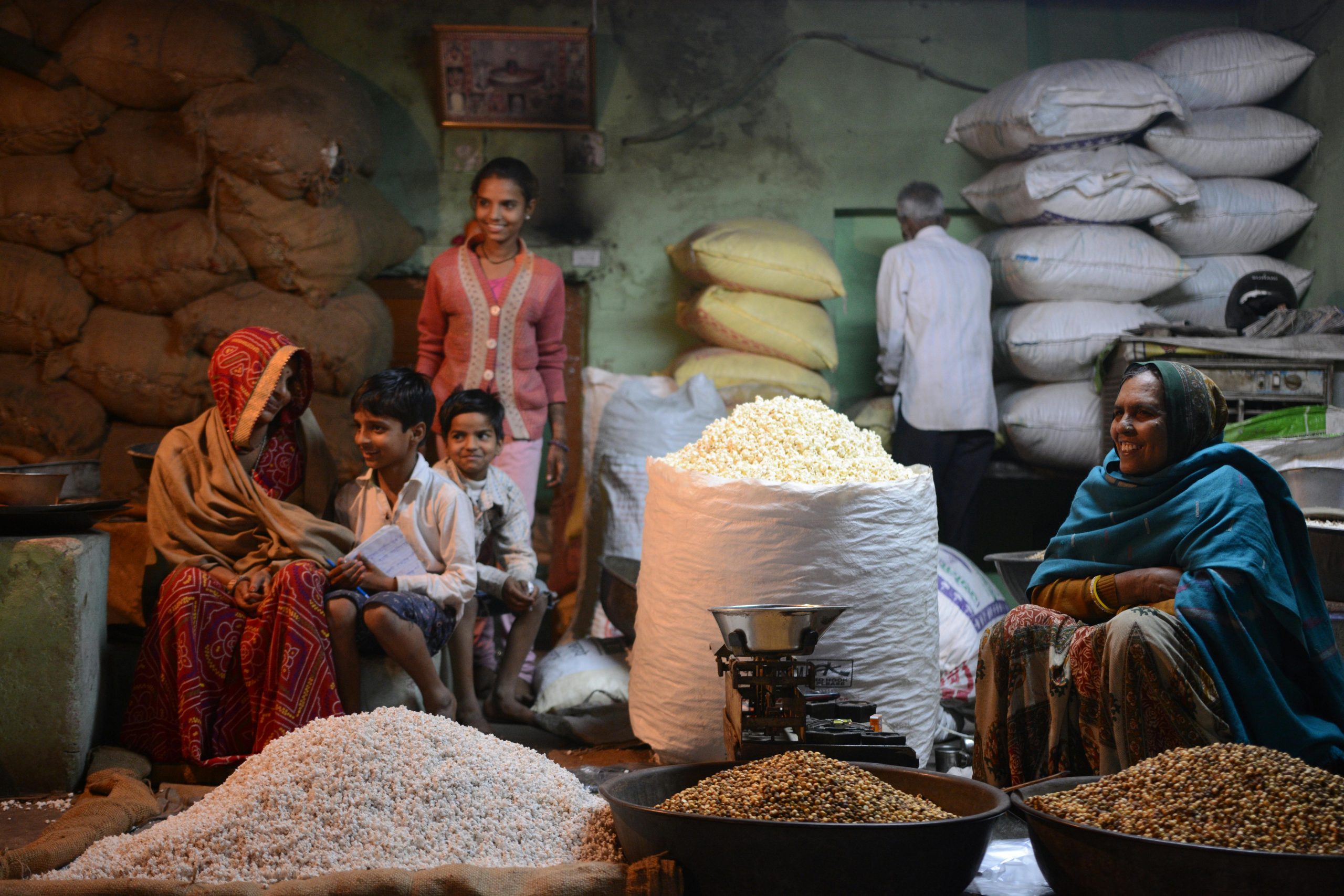
Exploring Small-Scale Manufacturing Opportunities for Rural Entrepreneurs in Rajasthan
Introduction
Rural Rajasthan offers a promising landscape for entrepreneurs interested in establishing small-scale manufacturing units. With affordable infrastructure, a local workforce, and manageable startup capital, aspiring business owners can capitalize on regional advantages to serve both local and urban markets. This article explores practical ideas and strategic considerations for setting up cost-effective manufacturing operations in rural Rajasthan.
Current Resources and Context
- Strategic Location: Situated in a rural area with access to inexpensive space, providing an ideal setting for small-scale production.
- Workforce Availability: Access to a skilled and affordable local labor pool.
- Financial Resources: An initial investment of approximately ₹2–3 lakh (roughly $3,000–4,000 USD).
- Expertise: Technical skills in maintenance and operations that can be leveraged for manufacturing activities.
Key Objectives for the Business
The goal is to produce goods that align with the following criteria:
- Cost-effectiveness: Operations should be feasible with basic infrastructure and minimal capital.
- Market Demand: The products must have strong demand in metropolitan cities such as Delhi, Jaipur, Mumbai, and others.
- Local and Regional Sales: The products should also be suitable for regional markets to ensure diversified revenue streams.
- Scalability: The manufacturing processes should accommodate small-scale or contract-based production models.
Potential Business Ideas
Several manufacturing concepts align well with the rural setup and market demands:
- Mattress and Pillow Manufacturing: This sector offers decent profit margins and steady demand, especially with the growth of rural and urban housing projects.
- Solar Panel Maintenance Services: With the increasing adoption of solar energy in Rajasthan, cleaning and maintenance services for solar panels are emerging as a lucrative contract-based opportunity.
- Textiles and Home Furnishings: Utilizing local artisans and skills, small-scale production of textiles or home decor items can tap into both regional and national markets.
Exploring Other Niches
Beyond the initial ideas, entrepreneurs can consider various sectors such as:
- Food Processing: Value-added food items, packaging, or regional specialties.
- Eco-Friendly Products: Sustainable packaging, biodegradable goods, or organic products.
- Handicrafts and Artisanal Products: Leveraging Rajasthan’s rich craft traditions to create unique products for export or domestic retail.
Partnership and Collaboration Opportunities
For established businesses seeking reliable, budget-friendly manufacturing partnerships, consider collaborating with local entrepreneurs or setting up contract manufacturing arrangements. Such partnerships can facilitate quality assurance and scalable operations, contributing to long-term growth.
Conclusion
Rural Rajasthan presents fertile ground for entrepreneurs seeking to establish small-scale, cost-effective manufacturing units. By leveraging local resources, skills, and market opportunities, new ventures can flourish both within the region and in broader markets. Careful planning and strategic sector selection are key to building sustainable and profitable manufacturing businesses in this vibrant rural setting.











One Comment
This post highlights a compelling opportunity for rural entrepreneurs in Rajasthan to harness local resources, skills, and strategic market positions to develop sustainable small-scale manufacturing ventures. An important aspect to consider is the integration of technological advancements such as low-cost digital marketing and e-commerce platforms. These tools can significantly enhance market reach beyond regional boundaries, especially for artisan products, textiles, and eco-friendly goods, opening avenues for export and broader recognition. Additionally, fostering local skill development through training programs can improve product quality and operational efficiency, further strengthening competitiveness. Aligning these manufacturing ideas with sustainable practices and renewable energy solutions—like solar-powered operations—can also improve environmental impact and long-term viability. Overall, the synergy of resourcefulness, technology adoption, and sustainable practices can transform these low-capital setups into resilient enterprises contributing to rural economic empowerment.