
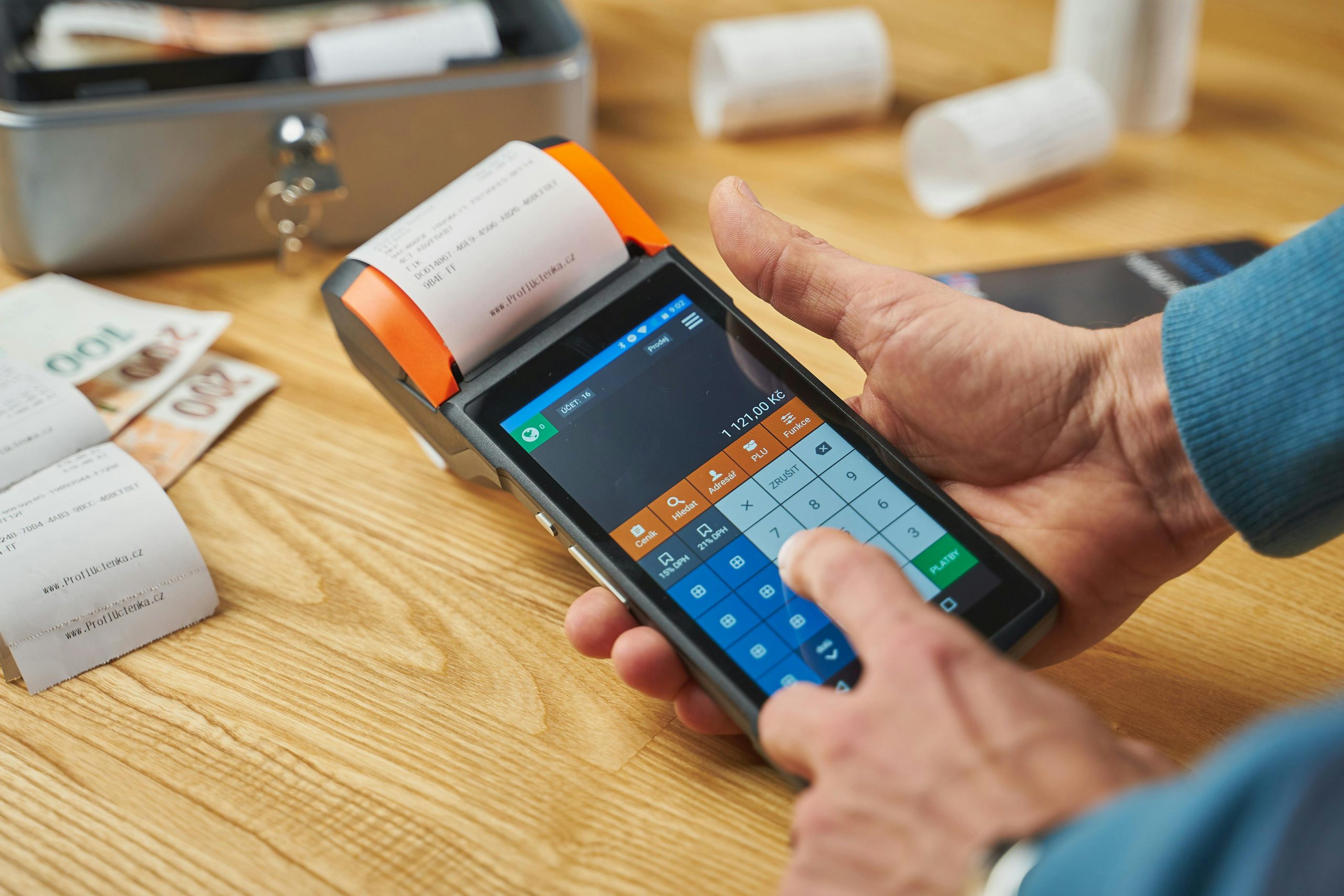
Streamlining Operations for Your Event Staffing Company: Essential Tools for Invoicing, Payments, and Scheduling
Starting an event staffing company can be an exhilarating endeavor, but it also comes with its own set of challenges, particularly in managing payments and employee schedules. As you embark on this journey, it’s crucial to equip your business with the right tools to ensure seamless operations. Here, we will explore some key recommendations for managing invoicing, payment processing, and employee scheduling.
Invoicing and Payment Processing
Selecting an efficient invoicing and payment processing system is vital for maintaining cash flow and ensuring timely payments. Given that your company will be handling a limited number of transactions each month, you’ll want to weigh the options between pay-per-transaction models versus monthly service fees.
-
Pay-Per-Transaction vs. Monthly Fees: For businesses with sporadic payment needs, a pay-per-transaction model may be more cost-effective, allowing you to avoid a monthly fee when transactions are low. However, for consistency and easier budgeting, a monthly plan could be advantageous if your transaction volume increases over time.
-
Integrated Systems: Many software solutions offer integrated invoicing and payment processing services, streamlining your financial operations into one platform. This approach not only simplifies the process but also reduces the chances of error and improves efficiency for managing accounts.
Employee Scheduling Solutions
An effective employee scheduling app is another essential tool that can enhance productivity and employee satisfaction. Here are some key features to look for in a scheduling solution:
-
Shift Acceptance: Look for an app that allows your staff to accept or decline shifts with ease. This functionality contributes to better staffing alignment and employee morale by giving your workers more control over their schedules.
-
Clock-In Features: Implementing a system where employees can clock in upon arriving at the event venue minimizes errors in tracking hours worked, ensuring accurate and transparent payroll processing.
-
Real-Time Updates: Ideally, the scheduling tool should provide real-time updates about shift changes, allowing both staff and management to stay informed and agile in adjusting to any last-minute changes.
Recommendations and Conclusion
Navigating the myriad of available tools and finding the right fit for your event staffing company may feel daunting. However, there are numerous platforms designed specifically for businesses like yours that can provide comprehensive solutions.
Investing time in research and seeking feedback from other event staffing professionals can yield valuable insights. Don’t hesitate to reach out to your network or engage in industry forums to gather recommendations and guidance.
In summary, selecting the right invoicing and scheduling tools is a crucial step in launching your event staffing company. An effective system will not only streamline operations but also lead to enhanced productivity and improved employee satisfaction. By prioritizing the right solutions from the outset, you’re setting the stage for your business’s success.











One Comment
This post offers excellent insights into the critical operational aspects of running an event staffing business. I would emphasize that integrating these tools into a centralized platform, possibly with features like automated reminders and compliance tracking, can further elevate efficiency. For instance, leveraging cloud-based software that combines scheduling, time tracking, and invoicing can reduce manual errors and improve real-time communication. Additionally, considering options with mobile app capabilities can greatly enhance staff engagement, providing employees with easy access to shift details and clock-in functionalities on-the-go. As technology evolves, exploring AI-powered scheduling solutions that optimize staff allocation based on event requirements and worker availability could be a future step toward maximizing operational productivity and workforce satisfaction. Overall, aligning your tools with your specific business scale and growth plans will set a solid foundation for sustainable success.