
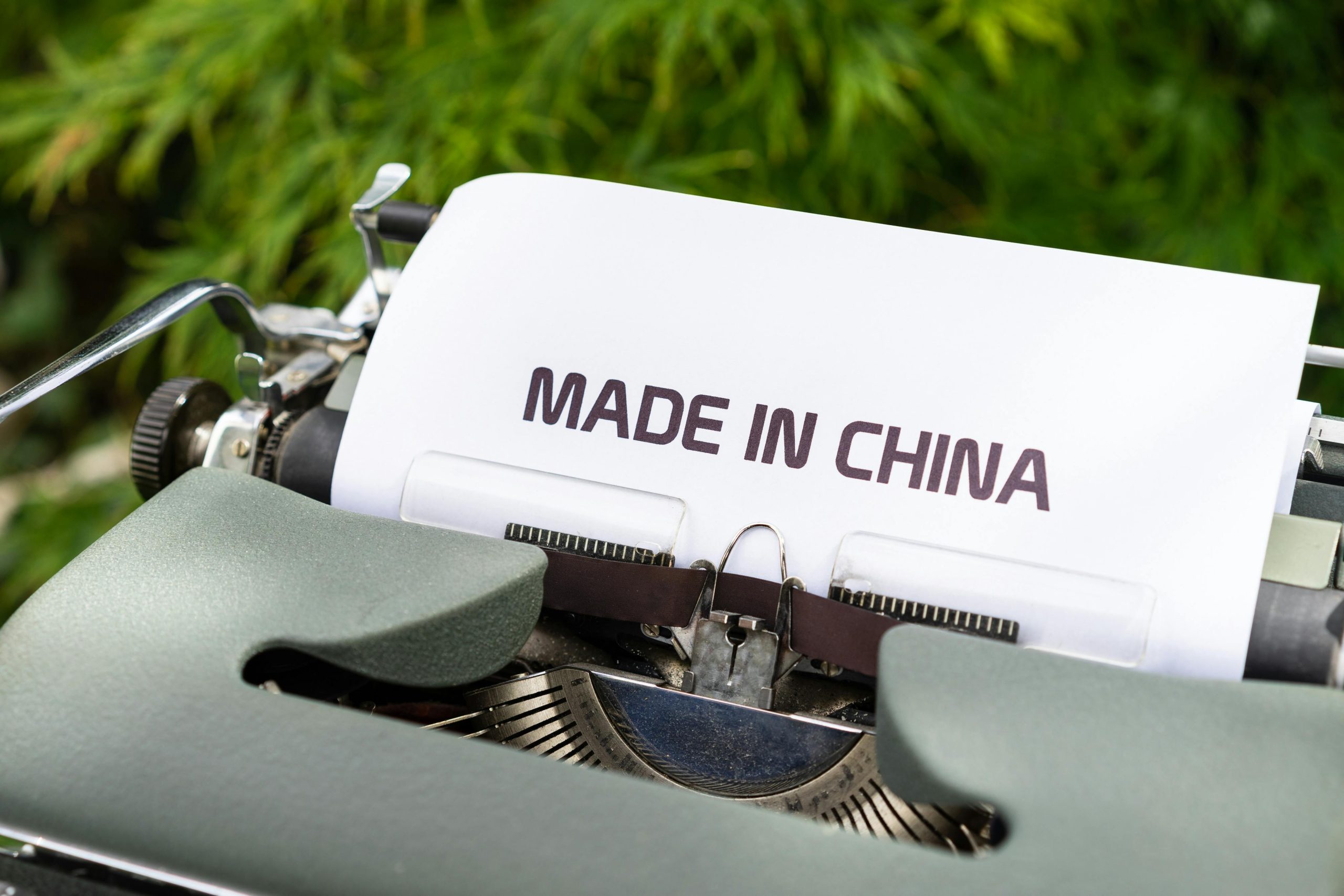
Navigating Importing and Sourcing for Your Small Business: Reliable Platforms for Made-In-China Products
As you embark on the exciting journey of launching a small product-based business focused on everyday home goods and accessories, finding the right suppliers is key. Many budding entrepreneurs quickly discover that a significant portion of affordable consumer products originates from China. However, for those new to importing, the process can be daunting, filled with potential pitfalls such as unreliable suppliers, subpar quality, unforeseen shipping delays, unexpected tariffs, and the challenge of managing unsellable inventory.
Evaluating Sourcing Platforms
In your quest for quality products, you may come across various platforms, each with its unique features. Let’s explore some of the most commonly used options:
-
Alibaba: This platform is often the first stop for many entrepreneurs. Its extensive range of suppliers includes both trading companies and factories, which can make it overwhelming to navigate. While it offers a wide selection, careful vetting is essential to differentiate between reliable and less trustworthy suppliers.
-
1688: This site is known for lower prices and direct connections to manufacturers. However, navigating this platform often requires the use of a sourcing agent due to language barriers, making it less accessible for some newcomers.
-
Global Sources: Aimed at B2B transactions, this platform tends to attract a more premium market. While it can provide quality leads, the costs may also reflect this focus.
-
Made-in-China: This platform differentiates itself by emphasizing verified factories and more detailed supplier profiles. While it markets itself as a source of high-quality products, it’s crucial to approach any platform’s claims with a discerning eye.
Key Considerations When Sourcing
As you explore these platforms, keep in mind vital aspects that can influence your import experience:
-
Supplier Vetting: Look for signs of authenticity in supplier profiles. Be wary of red flags such as fake reviews, excessive minimum order quantities (MOQs), and poor communication.
-
Sample Orders: Always request samples before placing large orders. This step can prevent costly mistakes and ensure that the products meet your quality standards.
-
Payment Methods: Choosing the right payment method is crucial. Common options include PayPal, bank transfers, and Trade Assurance. Each has its pros and cons, so familiarize yourself with their implications on transaction security and dispute resolution.
-
Customs and Tariffs: Understanding current tariffs and customs regulations will help you avoid unexpected financial burdens. Researching this aspect early on can save you from significant costs later.
Resources and Tips for New Importers
The experience of fellow entrepreneurs can offer invaluable insights into successful importing. Engaging with online forums, reading relevant books, and following educational YouTube channels can provide guidance and help you avoid common challenges.
Learning from firsthand experiences—both negative and positive—can inform your approach. Understanding what went wrong in past situations can help steer your operations in the right direction moving forward.
In closing, remember that importing from China can be rewarding when approached with careful planning and diligent research. By utilizing reliable platforms and arming yourself with knowledge, you can navigate the complexities of sourcing effectively. Your journey to building a successful small business awaits, and with the right strategies, you can set a strong foundation for growth and sustainability.











One Comment
Excellent comprehensive overview! I’d like to add that in addition to platform selection and supplier vetting, building strong relationships and maintaining ongoing communication with your suppliers can significantly enhance reliability and product quality. Consider requesting factory audits or visiting suppliers if feasible—this can provide deeper insight into their capabilities and work ethic. Additionally, leveraging sourcing agents familiar with foreign markets can help bridge language barriers and streamline negotiations, especially with platforms like 1688. Lastly, always stay updated on trade policies and tariffs, as these can change frequently and impact your margins. Combining diligent research with relational and strategic approaches will position your small biz for long-term success in importing from China.