

Deciding on the Right Tea Supplier for Your Café: Navigating Minimum Order Quantities and Unit Costs
As a café owner, selecting the ideal supplier for your tea program is a critical decision that can significantly impact both your finances and inventory management. Currently, I am faced with two contrasting options, each presenting its own advantages and trade-offs. This week, I need to make a final choice, and I’d like to share my thought process to help others in similar situations contemplate their options.
Current Option: The Established Distributor
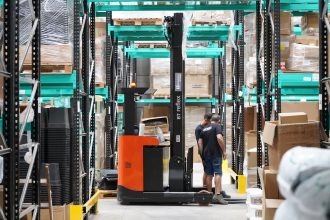
My existing supplier is a large distributor that requires a minimum order of a full pallet, which contains 500 units of tea. At a unit price of $1.00, the total investment comes to $500 upfront. This quantity of tea typically sustains my café for about eight months. While this option guarantees a stable supply and a lower unit cost, it does come with the downside of tying up significant capital for an extended period.
Alternative Option: One With Tea
On the other hand, I am considering a new supplier, One With Tea, which offers a more flexible arrangement. Their minimum order quantity (MOQ) stands at just 50 units priced at $1.15 each, resulting in a total upfront cost of $57.50 per order. However, I would need to place orders approximately every 5-6 weeks to maintain consistent stock levels. While the per-unit cost is higher—about 15% more than my current distributor—the financial dynamics are intriguing.
Financial Implications
The major difference here lies in cash flow. The first option locks up $500 for the majority of the year, impacting my available operating capital. In contrast, choosing One With Tea would allow me to retain over $440 in my operating account at any given time, which can be crucial for managing other expenses and unexpected costs.
Seeking Insights from Experience
As I weigh these options, I am eager to learn from others who have navigated similar choices. For those who have been in the position of deciding between a large MOQ and a higher per-unit cost, what factors influenced your decision? Did the freedom of cash flow from a flexible supplier ultimately outweigh the initial savings of bulk purchasing?
Your insights and experiences would be invaluable as I make this important choice for my café’s tea program. Understanding the long-term implications on both finances and operational efficiency will greatly assist in making a well-informed decision.







One Comment
Great post—thank you for sharing your detailed thought process! From my experience, balancing bulk purchasing with cash flow flexibility is a common challenge for small to medium-sized cafes. While the lower unit cost and bulk buying from your established distributor can be appealing, the large upfront investment can strain cash reserves, especially if your sales fluctuate seasonally.
On the other hand, opting for smaller, more frequent orders with a higher per-unit cost provides agility to adapt to changing demand and preserves liquidity, which can be especially valuable during unpredictable times or growth phases. Additionally, maintaining flexibility can open doors to experimenting with different teas or suppliers, enriching your menu offerings.
One approach worth considering is a hybrid model—maintaining a core inventory via your bulk supplier for staple teas while supplementing with smaller, just-in-time orders from flexible suppliers like One With Tea. This strategy can balance cost efficiency with operational agility, giving you the best of both worlds.
Ultimately, aligning your choice with your cash flow situation, menu stability, and growth plans will set you up for sustainable success. Looking forward to hearing what decision you make!