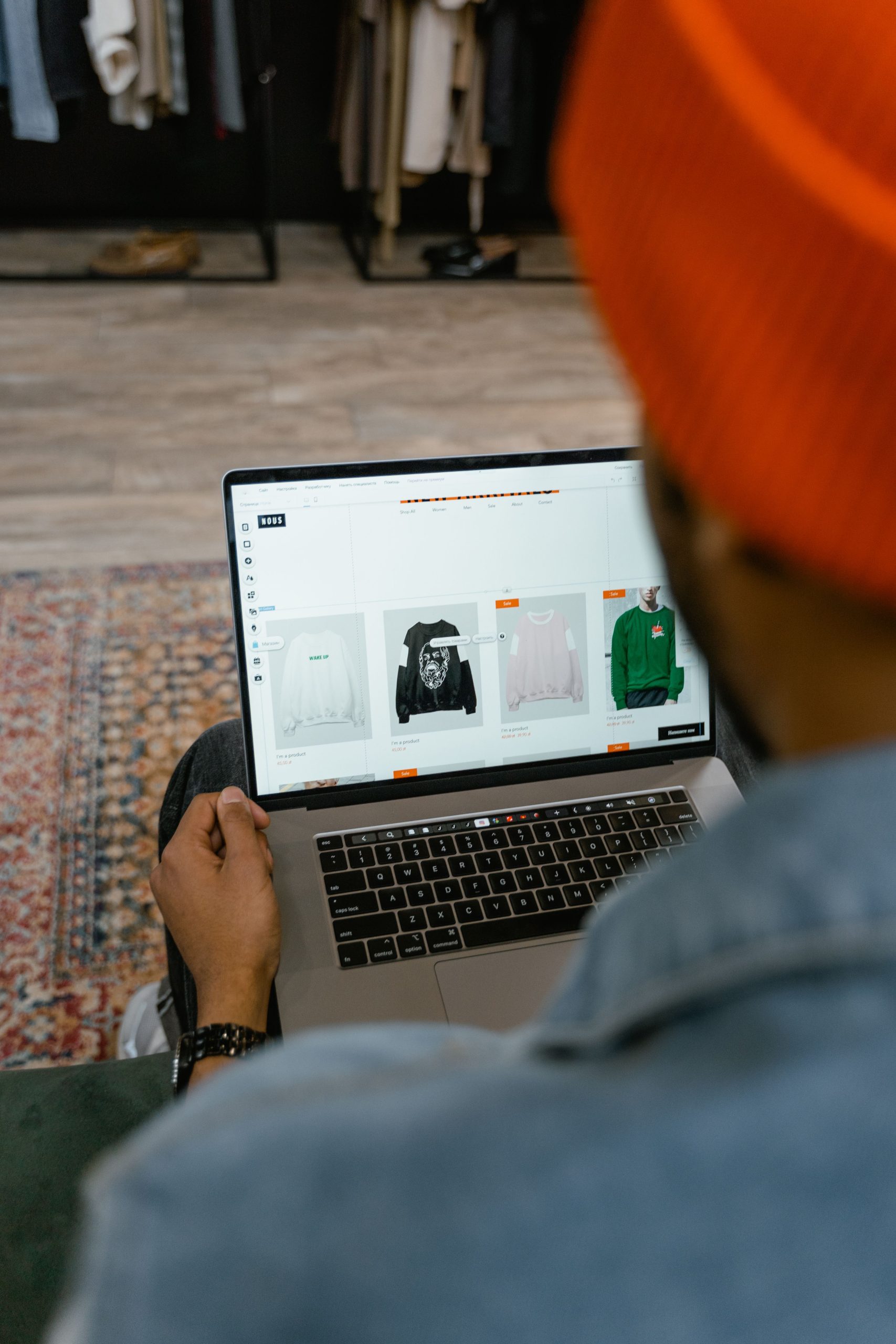
Understanding the Uniformity of Online Storefronts: Strategies to Differentiate Your E-commerce Website
In the increasingly competitive world of e-commerce, it is common to observe a surprising similarity among many online stores, especially within saturated markets. Upon analyzing various storefronts, one might notice that numerous websites share remarkably similar templates, product presentation styles, and layout structures. This phenomenon raises important questions: Why do so many online shops look alike, and how can retailers distinguish their brands in such a crowded digital landscape?
The Common Causes Behind Uniform E-commerce Designs
Several factors contribute to the widespread resemblance among online stores:
- Template Availability: Many e-commerce platforms, such as Shopify, WooCommerce, and BigCommerce, offer a limited range of popular themes. These themes are often free or inexpensive, making them accessible but also leading to their widespread adoption.
- Ease of Use: Store owners prioritize functionality and ease of setup. Using familiar templates reduces learning curves and technical challenges but can result in similar visual outcomes.
- Best Practices and Conversions: Developers and store owners tend to follow established design principles that optimize user experience and sales. Consequently, layouts emphasizing large images, straightforward navigation, and clear calls-to-action are common.
- Cost-Effectiveness: Custom design and development can be costly and time-consuming. Many small businesses opt for ready-made themes to launch their stores rapidly.
While these reasons explain the populist appeal of certain templates, they also contribute to a homogenized shopping experience that can hinder brand differentiation.
Strategies to Make Your Online Store Stand Out
For entrepreneurs and digital marketers committed to establishing a unique presence, innovative approaches are essential. Consider the following tactics:
-
Custom Design and Branding: Invest in a custom website design tailored to your brand identity. Unique color schemes, logos, and visual elements can create a memorable experience for visitors.
-
Unique Visual Content: Utilize original photography, product videos, and graphics that reflect your brand’s personality and story rather than relying solely on stock images.
-
Personalized User Experience: Incorporate features such as personalized product recommendations, interactive elements, or customized landing pages to engage visitors uniquely.
-
Creative Layouts: Move beyond standard templates by modifying layout structures or integrating novel features that enhance usability and aesthetics.
-
Consistent Brand Messaging: Develop a compelling brand voice and storytelling approach that resonates with your target audience and sets your store apart from competitors.
-
Optimize for Mobile and Accessibility: Ensuring a seamless experience across devices demonstrates professionalism and attention to detail.
Final Thoughts
While harnessing existing themes and templates provides a practical foundation for launching an online store, true differentiation requires deliberate customization and branding efforts. By investing in unique visual identity, user experience, and storytelling, your e-commerce store can break free from the cloud of conformity and foster a distinct, memorable presence in a competitive market.
If you’ve successfully implemented innovative strategies that helped your online shop stand out, sharing your insights could inspire others striving to elevate their digital storefronts.