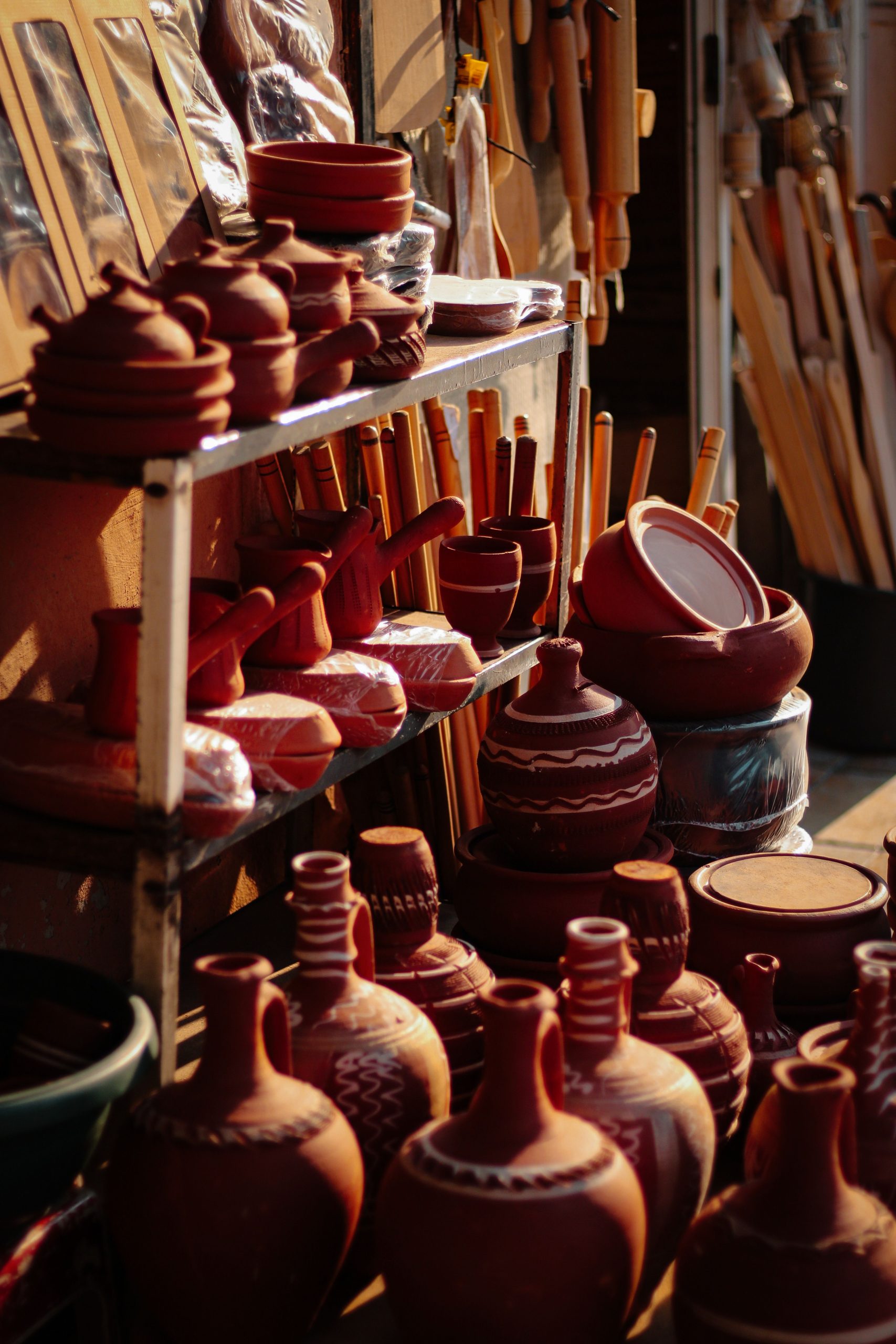
Evaluating the Value of Faire for Selling Handmade Ceramics and Alternative Wholesale Strategies
In the world of artisanal craftsmanship, expanding distribution channels is a common goal for creators looking to grow their brand and increase sales. For ceramic artists and makers of handcrafted goods, platforms like Faire have gained popularity as a convenient way to connect with retail buyers. However, many artisans are questioning whether using Faire is a financially sustainable option, especially when factoring in associated fees and pricing considerations.
Understanding Faire’s Fee Structure
Faire offers a streamlined platform for wholesale transactions, but these benefits come with costs. Typically, the platform charges a commission fee—often ranging from 15% to 25%—on each sale. When combined with the wholesale discount rate (commonly around 50% off retail price), this can significantly impact profit margins. For example, if an artist offers a 50% wholesale discount, and then faces an additional 20% platform fee, the cumulative deductions may leave only 25-35% of the original retail price before accounting for manufacturing, packaging, and shipping costs.
This raises a vital question: Is this level of margin sustainable, especially for handmade goods where production costs tend to be higher? Many makers feel that the high commission rates diminish the profitability of wholesale sales, making it difficult to justify participation on platforms like Faire.
Potential Solutions and Alternatives
While adjusting retail pricing—such as increasing product prices to offset fees—may seem straightforward, it isn’t always practical or competitive. A more sustainable approach might involve exploring alternative wholesale strategies, including:
-
Direct Outreach to Retailers: Establishing personal relationships by contacting potential stockists directly can eliminate platform fees and allow for customized negotiations. This method fosters genuine partnerships and greater control over terms.
-
Utilizing Alternative Wholesale Platforms: Several platforms cater specifically to handmade and independent creators, often with lower fees or different commission structures. Examples include Abound, Handshake, or Local Makers Market, each with its own advantages.
-
Participating in Craft Fairs and Pop-Ups: Engaging with local retail spaces or craft festivals provides opportunities to showcase products directly to buyers and negotiate wholesale or consignment arrangements.
-
Building an Engaged Wholesale Network: Creating a dedicated wholesale catalog and reaching out to boutique stores or galleries can result in more tailored collaborations and potentially higher profit margins.
Final Thoughts
Ultimately, whether Faire is a worthwhile platform depends on individual circumstances, including product type, pricing strategy, and target market. For many artisans, the key lies in balancing multiple channels and personalized outreach with strategic platform use. While online wholesale platforms can offer visibility, they should be evaluated carefully against their fees and the specific needs of handcrafted businesses.
If you’re considering wholesale expansion, assess your margins diligently, explore alternative platforms, and prioritize direct relationships with retail partners for more sustainable growth.
Have you found effective ways to wholesale your handmade work? Share your experiences and insights in the comments.