Navigating Safety and Comfort in Furniture Spray Painting: Tips for Managing Heat and Personal Protective Equipment
Starting a furniture spray painting business can be an exciting venture, but it comes with its own set of challenges—particularly when it comes to health, safety, and comfort in working conditions. For entrepreneurs and workers in this industry, understanding how to effectively manage heat stress while adhering to stringent personal protective equipment (PPE) protocols is crucial.
The PPE Dilemma in Furniture Spray Painting
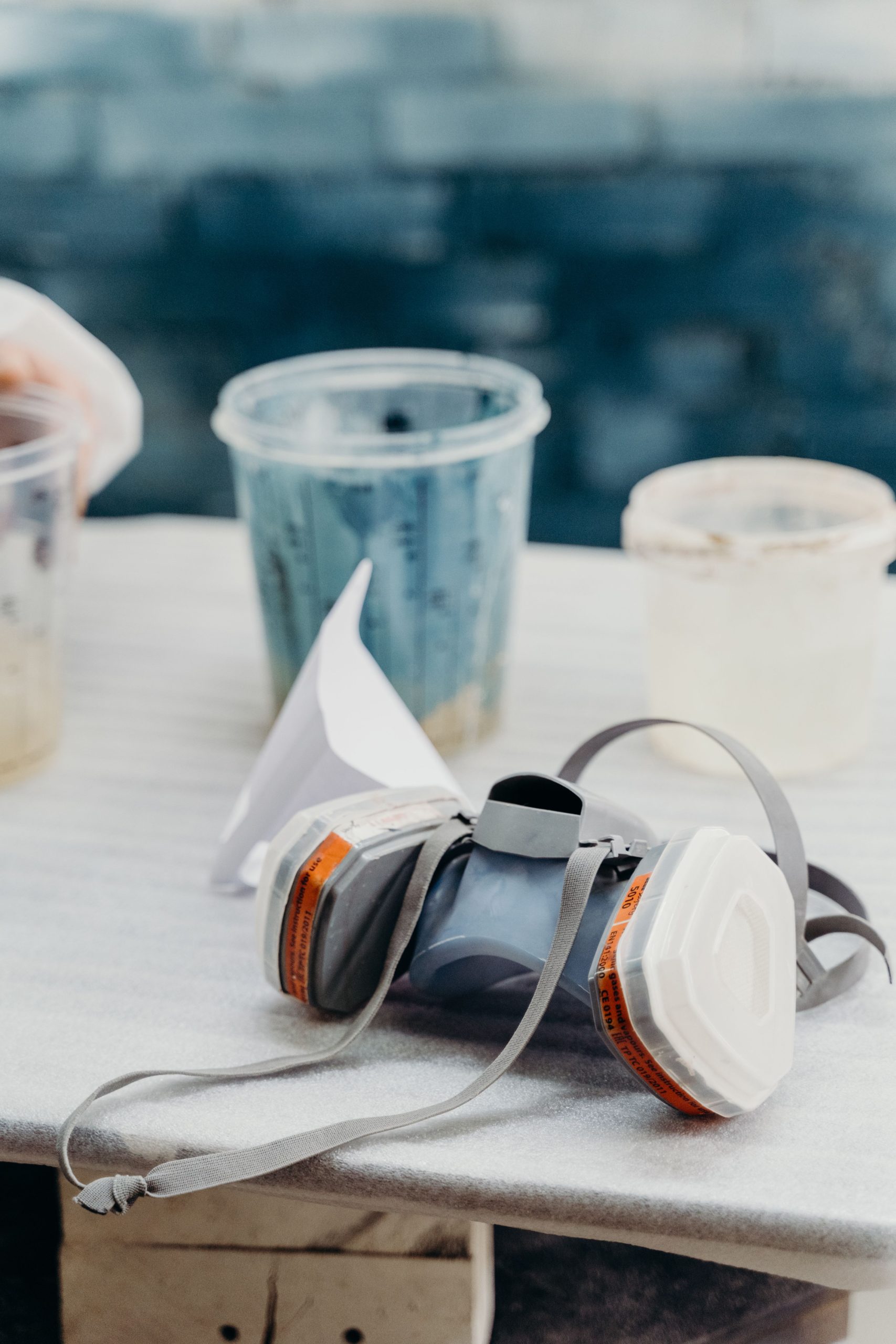
Spray painting, especially on kitchens and furniture, requires comprehensive PPE to ensure worker safety. This typically includes full-body suits, chemical-resistant gloves, and masks or respirators to prevent inhalation of fumes and skin contact with potentially hazardous substances. While these measures are vital for compliance with health and safety regulations, they can create significant discomfort, especially in warmer environments or during the summer months.
Challenges of Working Without Adequate Ventilation
In many cases, regulations prohibit the use of fans or air conditioning in spray booths to prevent contamination of the painted surfaces. This restriction, while necessary for quality control, can amplify heat buildup and make the working environment extremely uncomfortable. As a result, workers may face risks of heat exhaustion or dehydration if measures are not properly implemented.
Strategies for Managing Heat While Maintaining Safety
Despite these obstacles, there are practical steps that business owners and workers can take to improve comfort and safety:
-
Adjust Operational Hours:
Scheduling work during cooler parts of the day—such as early mornings or late evenings—can significantly reduce heat exposure. -
Ensure Adequate Hydration:
Providing easy access to water, electrolyte drinks, and encouraging regular hydration is essential. Incorporating moments for short breaks can also help mitigate fatigue. -
Offer Cooling Amenities:
Distributing ice packs or providing access to fans outside the spray area (where permissible) can help lower body temperature during breaks. -
Implement Rest Breaks:
Scheduled rest periods allow workers to recover from heat stress and maintain optimal safety and productivity levels. -
Educate and Train Staff:
Training workers to recognize early signs of heat-related illnesses ensures prompt action and prevents serious health issues. -
Innovate PPE Use:
Exploring the possibility of lighter, breathable PPE options that still meet safety standards may improve comfort without compromising protection.
Community Insights and Shared Experiences
Many businesses in this sector face similar challenges, highlighting the importance of shared knowledge and community support. Engaging with industry peers through online forums or local networks can provide additional tips and innovative solutions tailored to specific work environments.
Final Thoughts
Running a furniture spray painting business requires balancing safety compliance with worker comfort. By proactively managing working conditions—adjusting schedules, ensuring hydration, and exploring creative cooling solutions—business owners can foster a safer, healthier, and more productive workplace. Remember, you’re not alone in facing these challenges; collective experience and best practices can lead to effective strategies for overcoming heat-related hurdles in spray painting operations.