Selling DIY Crafts: Essential Considerations for Hobbyists Turning Passion into Profit
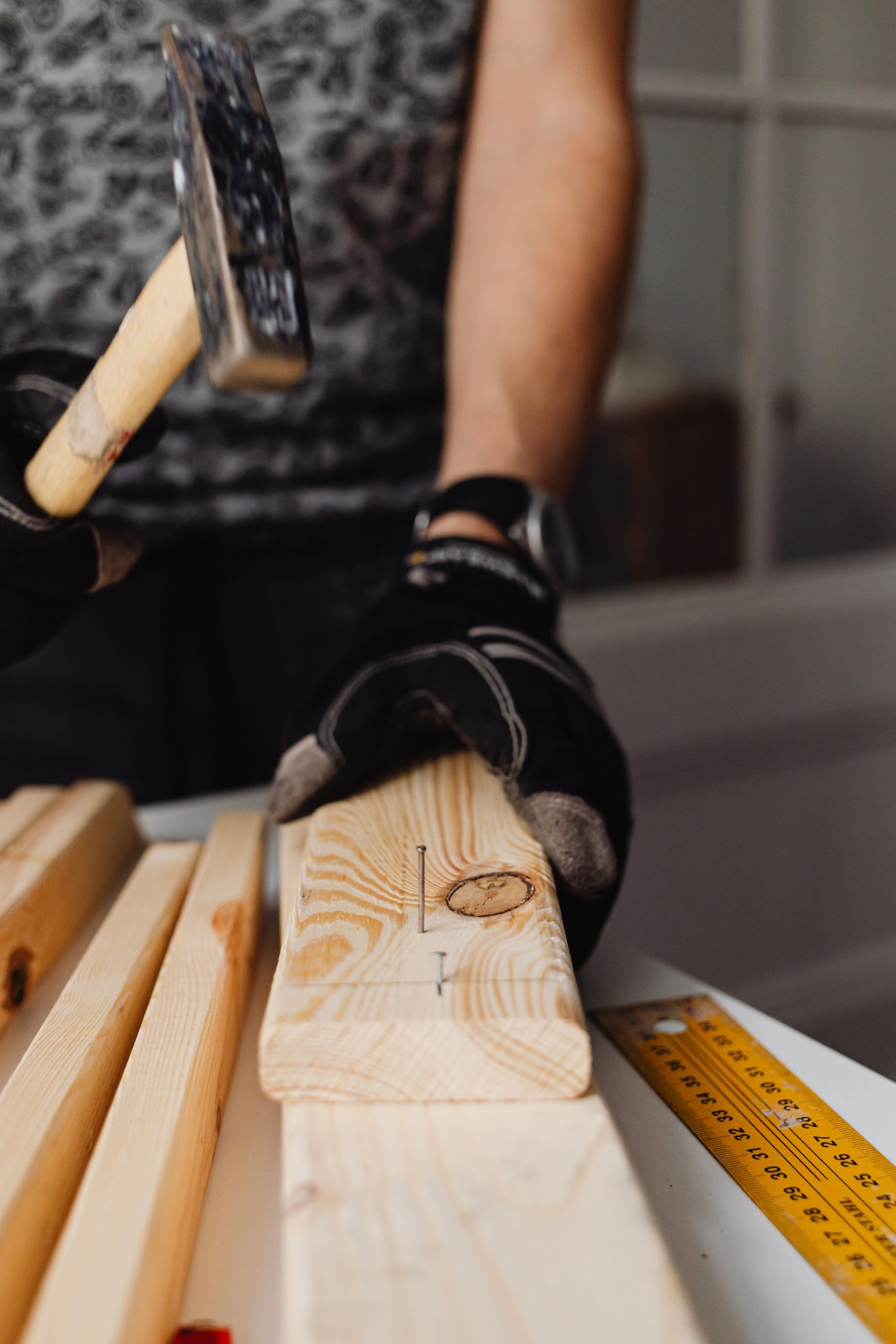
Many enthusiasts enjoy creating handcrafted wooden items such as desk organizers, decorative ornaments, clocks, and more. If you’ve been contemplating turning this hobby into a small side business, it’s important to understand the key factors involved to ensure a smooth transition from hobbyist to informal entrepreneur.
Assessing the Market and Sales Channels
The market for handmade wooden crafts can be quite competitive, particularly online. Platforms like Etsy and eBay are popular venues but are often saturated with similar products. To maximize your chances of success, many artisans explore local venues such as craft fairs, artisan markets, or community events. These local opportunities not only reduce online competition but also foster direct customer engagement, which can be invaluable for building repeat business and refining your craft.
Legal and Insurance Implications of Selling Your Creations
Before you start selling your handmade items, it’s prudent to consider the legal and insurance aspects:
-
Home Insurance and Business Activities: Typically, casual hobby selling doesn’t automatically require modifications to your existing home insurance policy. However, this can vary depending on your insurer and policy specifics. If you plan to conduct sales from your home or store inventory there, it’s advisable to review your policy or consult your insurer to confirm coverage.
-
Thresholds for Business Use: Many insurance policies distinguish between occasional hobby sales and regular business activity. Selling a few items occasionally is often considered hobby-related, but if your sales increase or become more systematic—such as selling with the primary aim of generating income—it could be classified as a business activity. In such cases, disclosure to your insurer may be required to avoid potential coverage issues.
-
Mortgage Considerations: Selling your crafts is unlikely to impact your mortgage unless the activity involves significant modifications to your property or business operations that may violate your mortgage agreement. Nonetheless, it’s wise to review your mortgage terms or discuss with your provider if you have concerns.
Practical Tips for Hobbyists Entering the Market
-
Start Small and Informal: Begin with local craft markets or community events to gauge interest and demand. This approach allows you to sell without the need for extensive licensing or additional insurance.
-
Keep Clear Records: Document your sales and expenses. This not only helps with potential tax obligations but also clarifies whether your activities are still considered a hobby or have crossed into a business venture.
-
Understand Local Regulations: Some regions require a business license or sales tax collection for sales exceeding certain thresholds. Check your local regulations to remain compliant.
-
Do Not Overthink Overheads: If you are not selling frequently or only on a small scale, you may not need to notify your insurer or mortgage provider. However, once your sales become regular or lead to significant income, professional advice or formal registration might be necessary.
Final Thoughts
Venturing into selling your handmade wooden items can be an enjoyable and rewarding experience. By understanding the regulatory landscape, insurance implications, and sales channels, you can confidently share your creations with others while safeguarding your home and financial interests. If in doubt, always consult your insurance provider or a legal professional to ensure you remain compliant as your hobby evolves into a small business venture.
Ready to turn your craft into a side hustle? Start planning with confidence—do your research, keep good records, and enjoy sharing your passion with others!