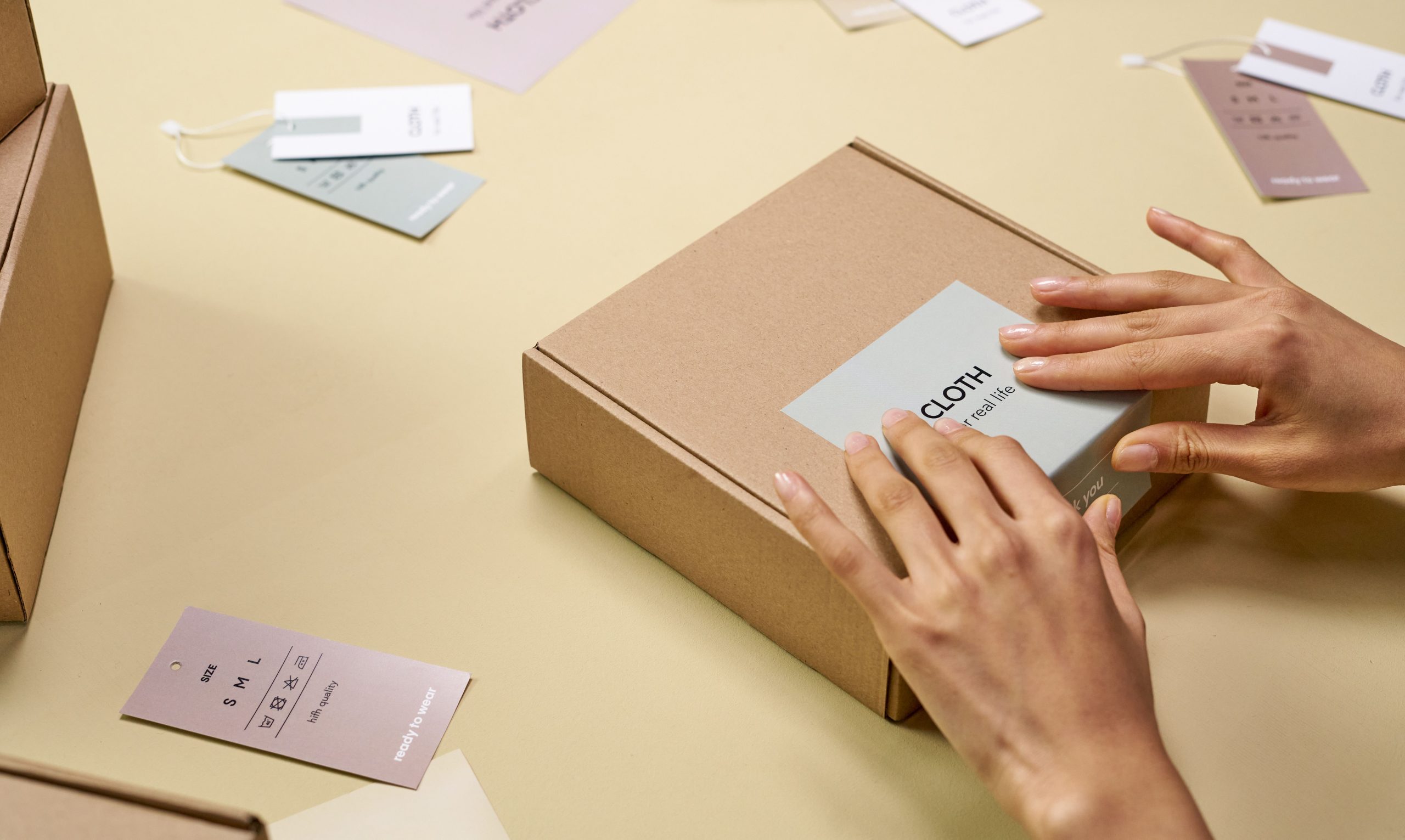
Title: The Value of Affordable Branded Packaging for Small Businesses: Analyzing the True Cost of Bulk vs. Low MOQ Custom Packaging Suppliers
In the competitive landscape of small businesses, packaging is a vital consideration that can impact branding, customer perception, and overall costs. Many entrepreneurs, especially those just starting, often assume that securing the lowest price per box is the most prudent approach. However, this common belief may oversimplify the realities of packaging procurement and mislead small brands into making decisions that aren’t as economically sound as they initially appear.
A recent experience has shed light on the complexities involved in selecting packaging suppliers. Initially, a particular supplier presented an enticingly low price for paper boxes, but this seemingly advantageous offer came with a catch: it required a sizable minimum order quantity (MOQ) from overseas. At first glance, the deal appeared beneficial, but once I began to factor in additional expenses such as shipping delays, setup fees, and storage costs, the overall value of the package began to diminish.
Unexpected expenses can quickly escalate the total investment, making what seemed like an attractive rate less so in practice. For example, long lead times associated with international shipments can lead to stock shortages, causing potential disruptions in fulfilling customer orders. Furthermore, should any modifications be needed for branding—think of a new logo, design changes, or seasonal packaging themes—businesses may find themselves burdened with surplus inventory of outdated boxes. While the per-unit price might seem small, the true cost can be significantly higher when considering the broader picture.
This leads to a profound question for many small brands: Is it more advantageous to prioritize the lowest unit price or to maintain liquidity and flexibility by opting for smaller production runs as needed?
Low minimum order quantity (MOQ) suppliers provide a feasible solution for brands that want to minimize financial risk and maintain the ability to adapt to market changes. This choice allows for greater experimentation with designs and branding at a lower financial commitment, helping businesses to align their packaging closely with their evolving identity and customer preferences.
In conclusion, while it might be tempting to focus solely on the initial cost per box, small brands should carefully weigh the long-term implications. A more holistic approach that considers flexibility, branding needs, and potential unforeseen costs can yield a more favorable outcome. Ultimately, finding the right balance between affordability and strategic investment in packaging can greatly enhance a brand’s ability to succeed and grow in a competitive market.