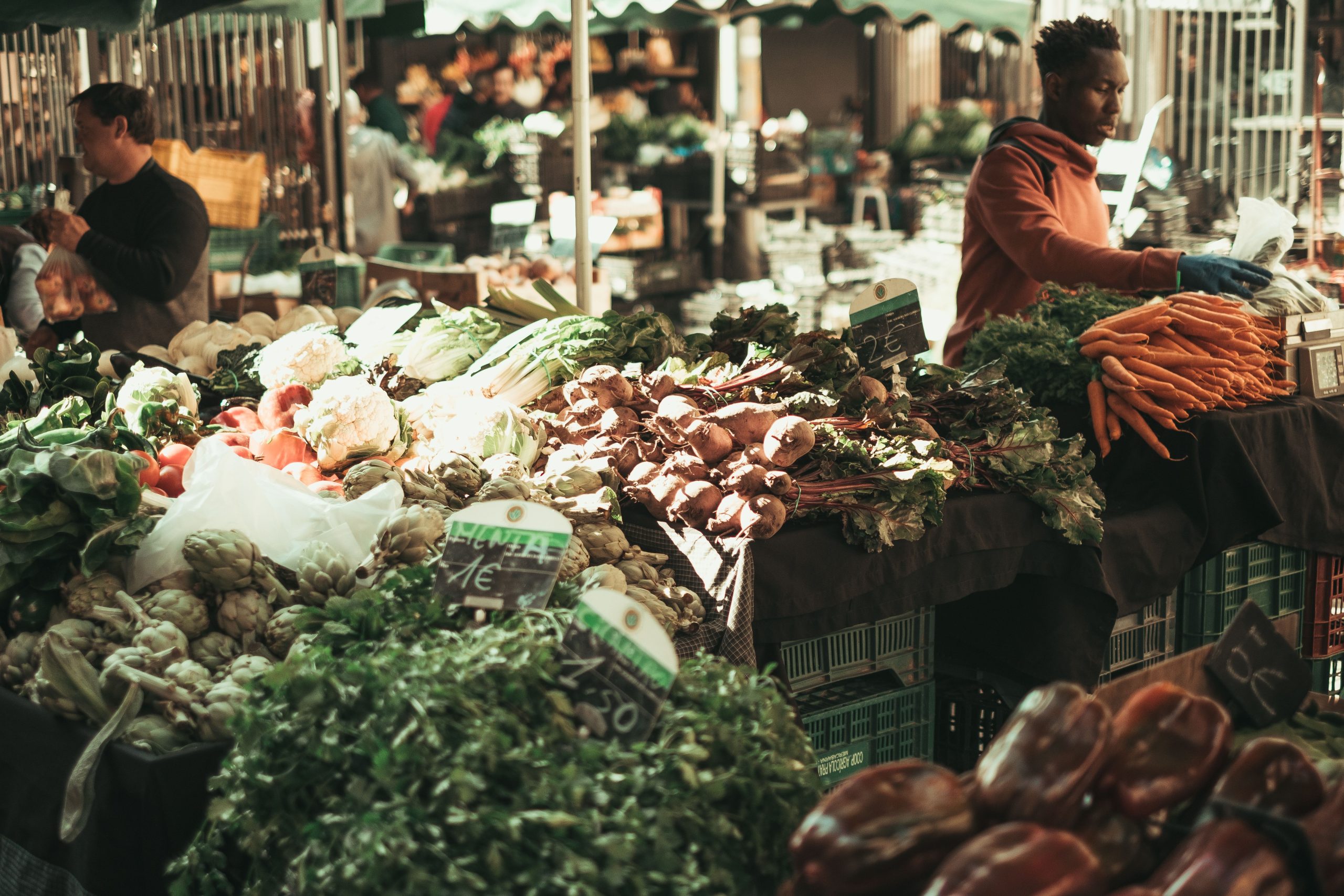
The Rise of Local Artisans at Farmers Markets: A Closer Look
This past weekend, a leisurely visit to a local farmers market provided a fascinating glimpse into the thriving world of handmade goods. Stalls brimming with unique offerings—everything from aromatic candles to intricately crafted pottery, stunning jewelry, artisanal soaps, and beautiful artwork—caught my attention. It was a delightful array of creativity, but it also sparked an intriguing question: Why do these local makers seem to have a stronger presence at farmers markets compared to traditional retail spaces such as coffee shops, gift stores, and boutiques?
In many urban settings, consumers often encounter mass-produced items from larger brands and wholesalers in retail establishments. This observation raises the question of whether the local artisan community is being underrepresented in mainstream retail. While it’s possible that shoppers may not be frequenting the right venues, there may also be several underlying reasons contributing to this phenomenon.
Farmers markets inherently provide a platform tailored for local creators, allowing them to connect directly with consumers who appreciate the craftsmanship and unique stories behind their products. These markets often foster a strong sense of community, making them a natural fit for artisans aiming to build personal relationships with their customers. Unlike traditional retail settings, farmers markets celebrate the individuality of local makers, offering an experience that goes beyond mere transactions.
Moreover, the structure of local stores can present challenges for artisans looking to showcase their work. Limited shelf space, buyer preferences influenced by established brands, and the need for consignment agreements can deter small makers from pursuing partnerships with retail shops. If you are a shop owner, consider how frequently local artisans approach you with their handcrafted goods. Engaging with these talented individuals can enrich your product selection while supporting the local economy.
In conclusion, the visibility of local makers at farmers markets highlights a growing appreciation for handmade products that resonate with consumers seeking authenticity and quality. Encouraging local artisans can result in a vibrant retail landscape that celebrates community innovation. By integrating these makers into traditional retail environments, we can cultivate an ecosystem that values creativity and strengthens local economies. What are your thoughts? How can we bridge the gap between local makers and retail spaces to create a more inclusive marketplace?