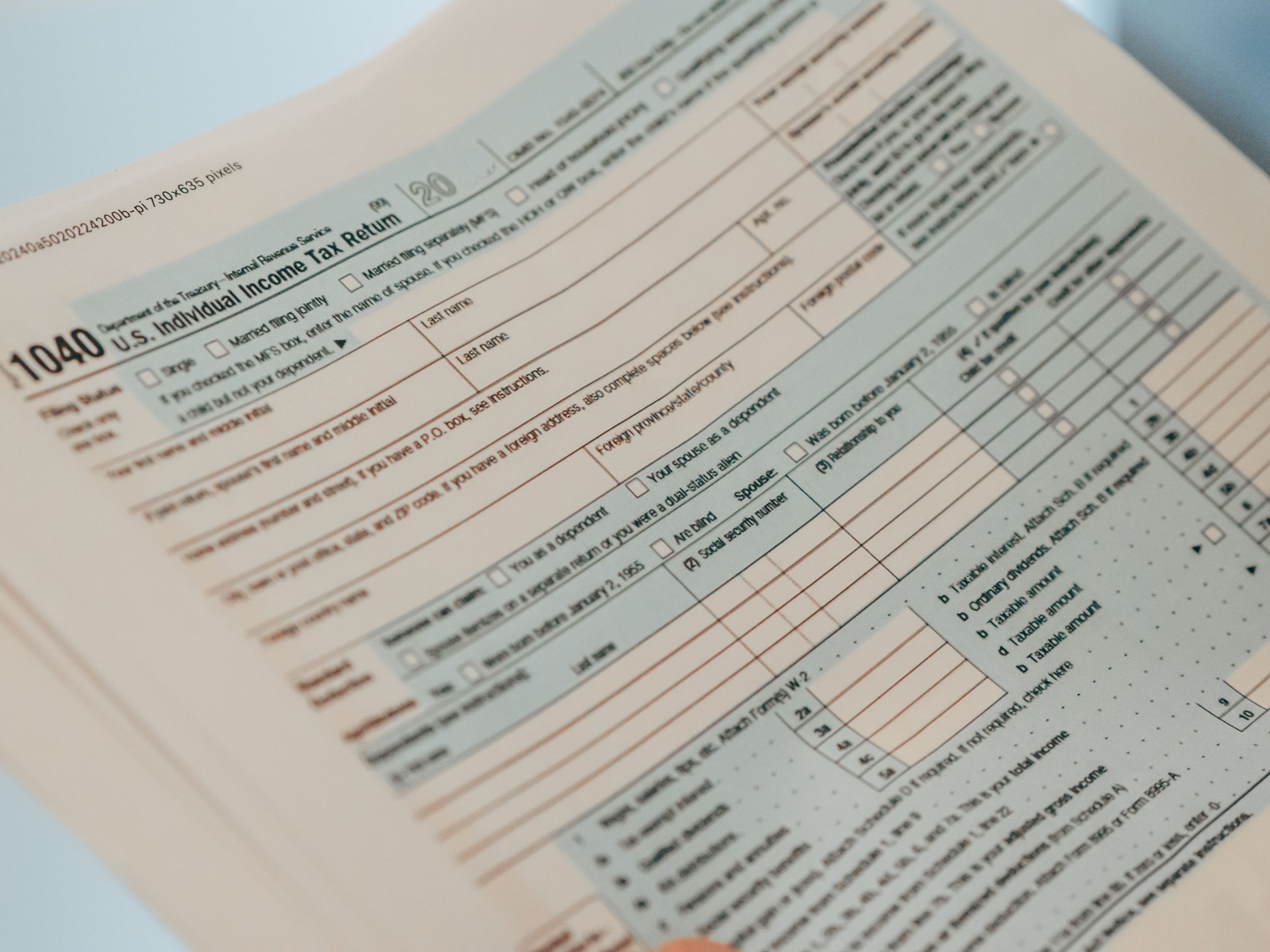
Navigating Your First Tax Audit: A Guide for Microbakery Owners
As a new entrepreneur operating a microbakery, tackling your taxes for the first time can be both exciting and daunting. Among the many challenges you may face, one particularly concerning aspect is the possibility of being audited by the state. This experience can evoke anxiety, particularly if you are unsure of how to present your financial documentation and receipts.
Receiving notification of an audit can feel overwhelming, but understanding how to prepare effectively can help mitigate stress and ensure that you present a strong case. Here are some key considerations for microbakery owners who find themselves in this situation.
Documenting Your Income and Losses
The foundation of your tax return lies in the accurate reporting of income and expenses. As you gather your receipts, it’s important to categorize them appropriately. Retaining precise records is essential, as these documents serve as proof of your reported income and business expenses. Ideally, invoices, payment confirmations, and associated receipts should align with the figures declared on your tax return.
Dealing with Personal Expenses
One common issue that microbakery owners may encounter during an audit is the inclusion of personal expenses within business receipts. It’s crucial to distinguish between personal and business transactions. If a receipt contains both types of expenses, auditors may question the legitimacy of the business deductions claimed. It’s recommended to clearly identify which expenses were business-related and provide a detailed explanation if necessary.
Missing Receipts: What to Do
Auditors generally seek thorough documentation, which can make missing receipts a concern. If you find that some of your receipts for cash purchases are absent, you still have options. Consider reconstructing your records by utilizing bank statements or other financial documents that reflect transactions made. Additionally, if you have any email confirmations or order summaries from suppliers, these can serve as supplementary evidence.
Preparing for the Audit
When facing an audit, organization is key. Create a comprehensive folder that includes all relevant documentation, such as receipts, bank statements, and any correspondence with clients or suppliers. Presenting your materials in an orderly fashion not only demonstrates diligence but also makes the audit process smoother.
Conclusion
While the prospect of an audit can be intimidating, being well-prepared can help ease your concerns as a microbakery owner. By ensuring that your financial records are accurate, distinguishing between personal and business expenses, and being proactive in reconstructing missing documentation, you will significantly improve your chances of a positive outcome. Remember, this process is an opportunity to refine your business practices and reinforce your financial understanding for the future. By addressing these challenges head-on, you can emerge from the audit experience stronger and more informed as an entrepreneur.