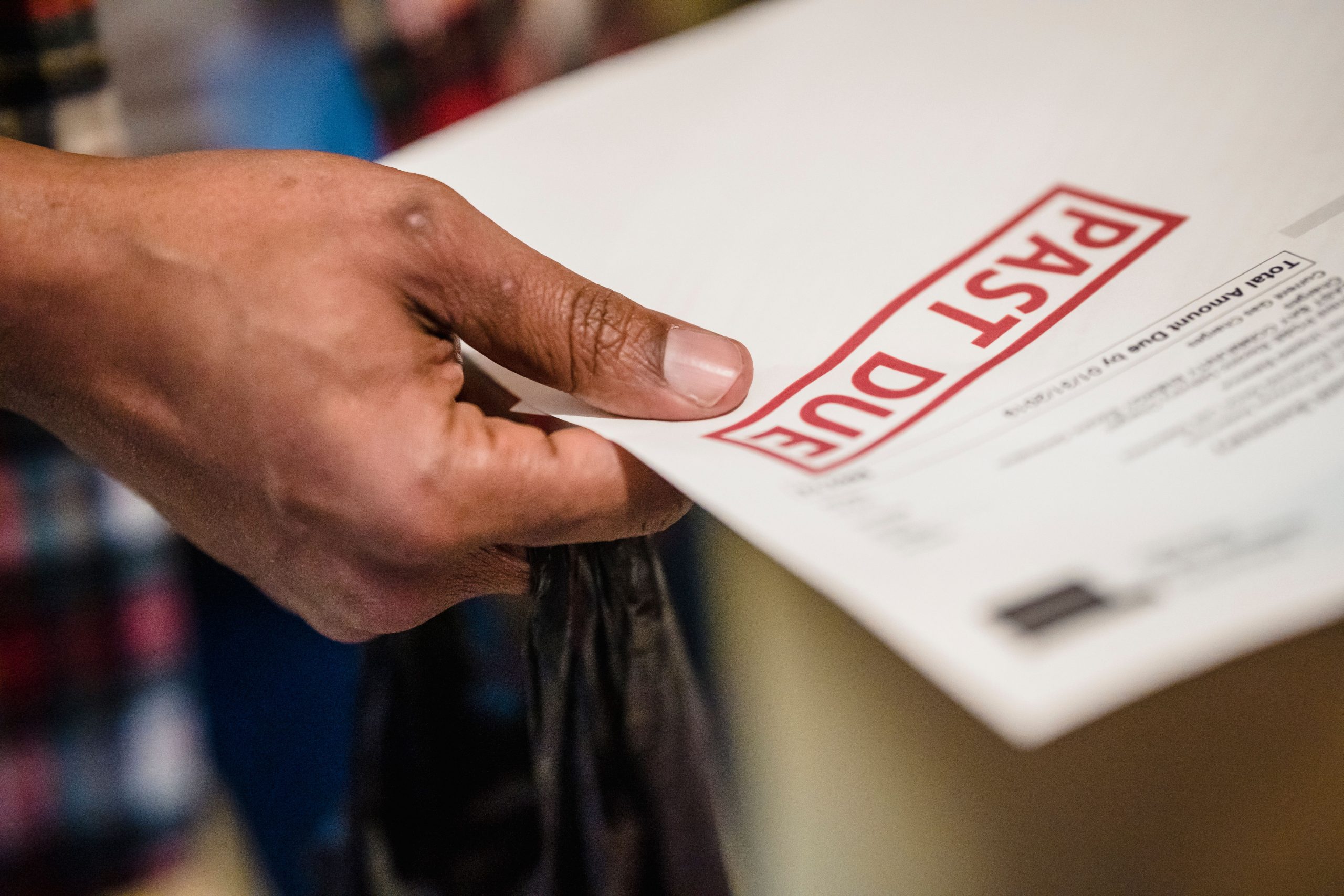
Streamlining the Follow-Up Process for Unpaid Invoices: A Guide for Small Service Business Owners
As small service business owners navigate the complexities of managing their operations, one of the most time-consuming tasks can often be following up on unpaid invoices. For those managing a modest workload of around 15 to 20 active invoices at any given time, the few hours devoted weekly to sending payment reminders can become particularly burdensome. Here, we will explore efficient strategies to streamline the invoice follow-up process, ensuring minimal disruption to your core business activities.
Establish a Follow-Up Schedule
Creating a consistent follow-up schedule is essential for maintaining a structured approach to managing unpaid invoices. Consider implementing a system that aligns with your payment terms. For example, you might establish a timeline that includes the following steps:
- Initial Reminder: Send a friendly reminder email 3-5 days after the payment due date has passed.
- Second Reminder: If payment is still outstanding, follow up with a second reminder 7-10 days later. This email can be slightly firmer, reiterating the importance of timely payments.
- Final Notice: Should the invoice remain unpaid after two weeks, a final notice can be sent, emphasizing potential late fees or further action.
By adhering to a structured schedule, you can ensure that reminders are consistently sent, reducing the likelihood of invoices slipping through the cracks.
The Impact of Late Fees
Many service providers wonder whether the implementation of late fees can accelerate payment timelines. While this method can serve as a deterrent for late payments, it may also affect client relationships. In some cases, clients may prioritize invoices that include late fees, prompting quicker payment. However, it is crucial to communicate late fee policies transparently in your initial agreements to foster understanding and prevent disputes.
Implementing Automated Systems
Automation can significantly ease the burden of managing unpaid invoices. Consider leveraging invoicing software that offers automated reminders and payment tracking features. Such systems typically allow you to:
- Customize reminder schedules
- Send automatic follow-up emails based on predefined timelines
- Streamline the invoicing process to ensure consistency
Automatic systems are particularly useful for businesses with numerous clients, as they can operate seamlessly and minimize the need for manual intervention. However, it is important to assess whether your clientele are receptive to automated communications and adapt your approach accordingly.
Conclusion
Spending excessive time on payment follow-ups can detract from the primary focus of your business—providing valuable services to your clients. By implementing a clear follow-up schedule, considering late fees judiciously, and embracing automated invoicing tools, you can significantly enhance your efficiency in managing unpaid invoices. This will not only free up your time but also contribute to the overall success and sustainability of your service-oriented business.