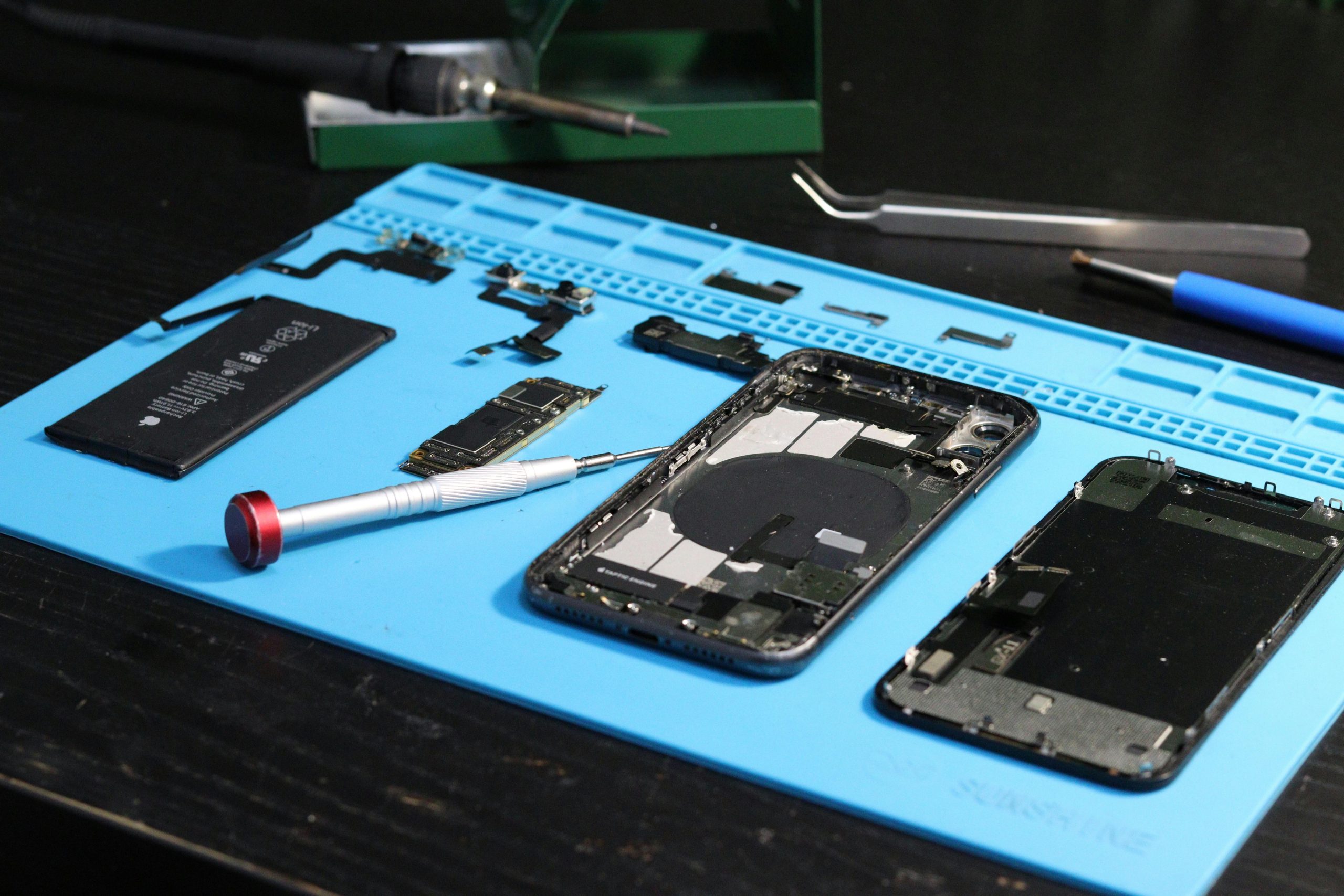
Addressing the Challenges in the Mobile Accessories and Repair Industry: Opportunities for Innovation
The mobile accessories and repair sectors have witnessed significant growth over recent years, driven by increasing smartphone adoption and technological advancements. However, despite their expanding footprint, many consumers still encounter issues that hinder their overall experience. As entrepreneurs and innovators look to make meaningful contributions to these industries, understanding the key challenges faced by users is essential for developing effective solutions.
Common Concerns in Buying Mobile Accessories
Consumers often express frustration with the quality and reliability of mobile accessories available in the market. Low-cost, counterfeit, or poorly manufactured products can lead to device damage, safety hazards, and unsatisfactory performance. Additionally, issues such as incompatible accessories, limited variety, or misleading product descriptions can diminish trust and satisfaction. Accessibility and affordability also play roles, with many users seeking better options that balance quality and cost.
Challenges in Mobile Repair Services
The mobile repair industry is equally fraught with concerns. Customers frequently encounter long waiting times, inconsistent service quality, and unreliable repairs that may not address the root cause of device issues. The prevalence of untrained technicians and subpar parts can risk further damage or void device warranties, eroding customer confidence. Transparency around pricing, turn-around times, and repair details is another area where dissatisfaction often arises.
Opportunities for Innovation
To elevate the user experience within these sectors, there is a pressing need for trustworthy, high-quality products and services. Customers desire transparency, accountability, and professionalism from brands and service providers. Addressing issues such as counterfeit products, substandard repairs, and lack of genuine parts could significantly improve trust and satisfaction.
Furthermore, leveraging technology to streamline the purchasing and repair processes—through online platforms, real-time tracking, and quality assurance protocols—can make a considerable difference. Building a reputation based on reliability, genuine quality, and excellent customer service can set new industry standards.
Embracing Consumer Feedback for Change
Open dialogue and feedback from users are invaluable for identifying pain points and opportunities for improvement. By understanding what consumers want—be it enhanced trust, better quality, or more convenience—industry players can innovate solutions that meet these needs effectively.
Conclusion
The mobile accessories and repair sectors are ripe for disruption. By focusing on quality, transparency, and customer-centric innovation, startups and established companies alike can transform these industries into more reliable and satisfying experiences for consumers. The future of mobile accessories and repair services depends on our ability to listen, adapt, and deliver solutions that truly address users’ needs.