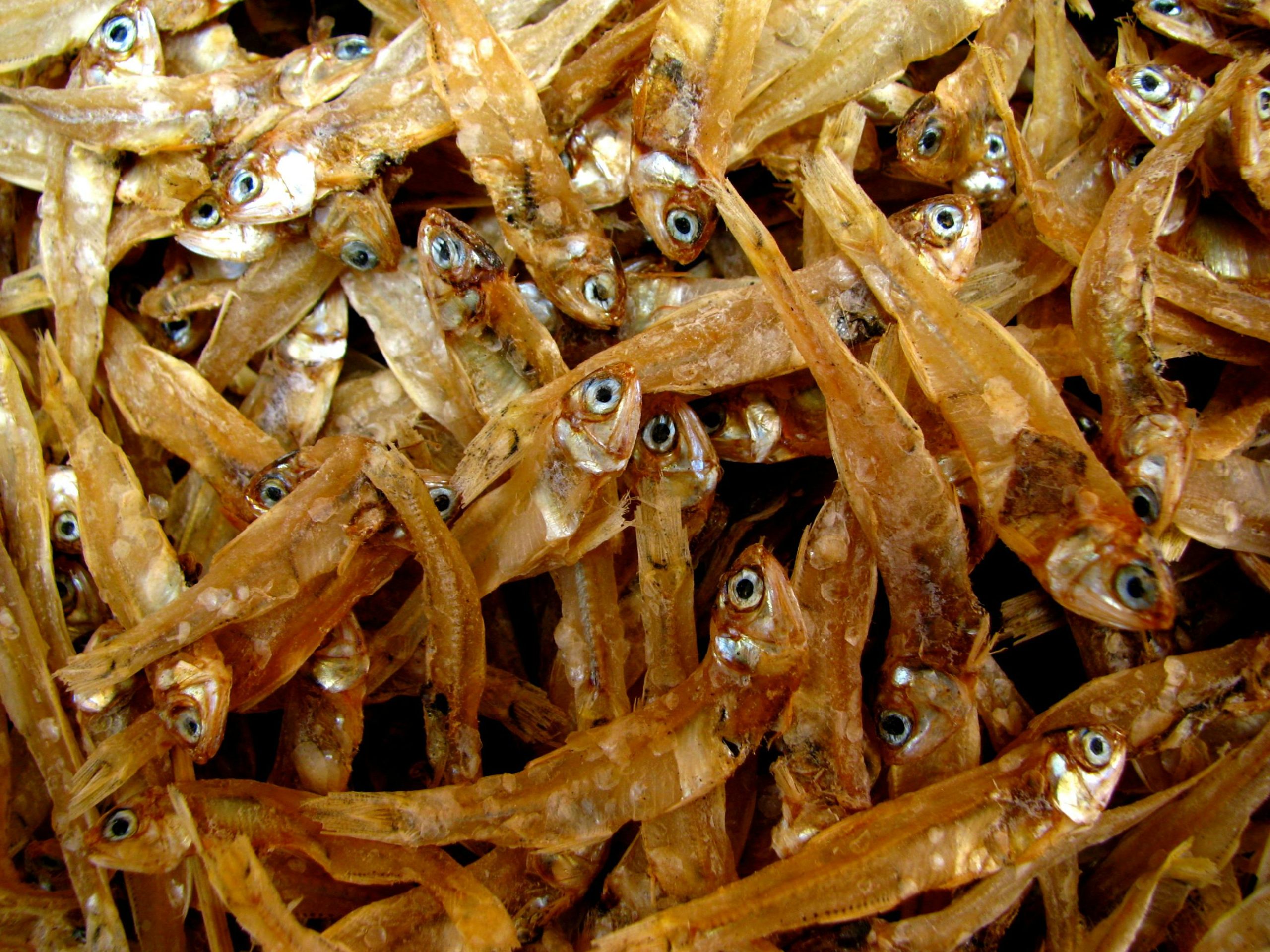
Starting a Small Business: Importing Dried Fish from Nigeria to the UK — A Guide for Entrepreneurs
Launching a small import business involving dried fish from Nigeria to the UK can be a rewarding venture, combining cultural cuisine with emerging market opportunities. However, understanding the legal, logistical, and regulatory frameworks is essential to ensure compliance and smooth operations. This article aims to provide a comprehensive overview of the key considerations and steps involved in establishing such a business.
Understanding the UK Importation and Food Sale Regulations
1. Licensing and Registration Requirements
Before importing dried fish, you must comply with UK regulations governing the import and sale of food products. Key steps include:
-
Registering as a Food Business: Under UK law, any business involved in food production, processing, or sale must register with the local authority’s environmental health department at least 28 days before starting operations.
-
Obtaining Necessary Licenses: While general registration may suffice for small-scale imports, some businesses may need specific licenses or certifications, especially when dealing with products of animal origin. Consult the Food Standards Agency (FSA) for guidance on whether your products require particular approval.
2. Food Safety and Import Approval
-
Pre-Import Approval: For certain animal-origin food products, approval from relevant authorities such as the FSA and the Department for Environment, Food & Rural Affairs (DEFRA) might be necessary before importation.
-
Compliance with Food Safety Standards: The dried fish must meet UK standards, including hygiene, sanitation, and labeling requirements. Ensuring that your supplier in Nigeria adheres to appropriate food safety protocols is crucial.
Navigating Customs and Logistics
3. Customs Clearance Process
-
Documentation: Proper documentation is vital. Common documents include a commercial invoice, bill of lading/airway bill, import licenses (if applicable), and certificates of origin and safety.
-
Import Duties and Taxes: Be prepared to pay Customs Duty and VAT. The duty rate depends on the specific product classification under the UK tariff schedule. Using the UK Trade Tariff website can help determine applicable rates.
-
Inspection Procedures: The UK Border Force and Food Standards Agency may conduct inspections to verify compliance with safety standards. Working with experienced customs brokers can streamline this process.
4. Typical Costs to Anticipate
-
Shipping Expenses: Costs vary based on shipping method (air vs. sea), volume, and carrier.
-
Duties and Taxes: Duty rates fluctuate depending on the product classification and country of origin.
-
Inspection and Certification Fees: These may be applicable if products require certification or inspection upon arrival.
Common Challenges and Mistakes to Avoid
-
Insufficient Documentation: Incomplete or inaccurate paperwork can cause delays or confiscation.
-
Ignoring Regulatory Requirements: Failing to adhere to food safety standards can lead to legal issues and product recalls.
-
Underestimating Costs: Be thorough in budgeting to account for shipping, duties, inspections, and unforeseen expenses.
-
Poor Supplier Vetting: Ensure your Nigerian supplier complies with international food safety standards to prevent compliance risks.
Gaining Practical Insights
If you already have experience importing food products from Africa or other regions into the UK, your insights can be invaluable. Connecting with industry peers through trade associations, online forums, or local chambers of commerce can provide practical advice and help you navigate the complexities of international food importation.
Final Thoughts
Starting an import business focused on dried fish from Nigeria involves careful planning and adherence to regulatory standards. Conduct extensive research, develop relationships with trusted suppliers, and consult with legal and customs experts to ensure a solid foundation for your venture.
Embarking on this journey can be both commercially rewarding and culturally enriching. By understanding the legal landscape and logistics involved, you position yourself for a successful and compliant business operation.
Disclaimer: This article provides general guidance and should not be considered legal or professional advice. Always consult relevant authorities and experts before proceeding with import activities.