Strategic Transition from Retail Packaging to Street Food: Insights and Advice for Emerging Food Entrepreneurs
Starting and scaling a food business often requires agility, creativity, and a willingness to adapt. For entrepreneurs in the UK’s vibrant food scene, navigating the entrepreneurial journey—from product development to market entry—can be both challenging and rewarding. This article explores a recent pivot by a budding food entrepreneur, sharing insights that may resonate with fellow street food traders and FMCG (Fast-Moving Consumer Goods) founders.
Background: From Startup Victory to Technical Development
Our story begins with a promising achievement: winning first place in a university startup pitching competition. This accolade not only validated the viability of the business idea but also facilitated initial backing and access to a state-of-the-art food-tech facility. Over subsequent months, intensive research and development efforts focused on perfecting a premium food product with unique characteristics.
The Pivot: Rethinking Market Entry Strategies
Despite initial plans to introduce the product into retail channels using specialized, automated packaging solutions, unforeseen logistical challenges emerged. The product’s complex, thick texture with solid chunks posed significant manufacturing hurdles. The required equipment to produce and package such a product efficiently is prohibitively expensive, threatening to exhaust our current financial runway.
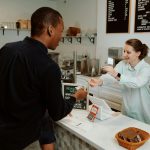
In response, a strategic decision was made to pivot towards a street food-based approach. Rather than investing heavily upfront in retail-ready packaging, the plan is to establish a street food stall as a testing ground and revenue generator. This approach leverages the hot food market to serve as a platform for “paid sampling”, allowing customers to experience the product firsthand. Post-sampling, there is an opportunity to upsell packaged versions of the product in retail jars directly from the stall.
Seeking Community Insights: Building a Support Network
This transition raises several critical questions and opportunities for those looking to make similar moves:
1. Market Placement and Location Selection:
To successfully launch the street food venture, securing the right trading spots is essential. Whether via temporary pop-ups, weekend markets, or semi-permanent stalls, understanding the dynamics of foot traffic, especially during evenings and after-work hours, can significantly impact sales. The goal is to identify environments such as independent markets, food halls, container villages, and event spaces that are receptive to new food businesses. Does anyone have recommendations for locations in Bristol or other parts of the UK that are known to be supportive of emerging street food traders?
2. Packaging and Co-packing Solutions:
Scaling a product with a challenging texture demands reliable manufacturing partners and support infrastructure. Planning to raise a pre-seed round later this year aims to address these challenges by funding automated packaging equipment. For entrepreneurs dealing with similar texture complexities, insights into finding experienced UK co-packers are invaluable. Additionally, navigating grants or funding opportunities specific to food manufacturing equipment can accelerate progress.
Final Thoughts: Embracing Flexibility and Community Support
Transitioning from retail packaging to street food demonstrates the importance of agility in the food startup ecosystem. Leveraging a street food stall not only offers immediate revenue opportunities and customer feedback but also provides critical learning experiences to refine the product and market approach.
To fellow entrepreneurs venturing into similar spaces, sharing experiences, successes, and challenges can foster a supportive community. Whether you have recommendations for market locations, co-packing expertise, or insights into navigating manufacturing grants, your input can be instrumental in helping others succeed.
Conclusion:
Adaptability remains a cornerstone of sustainable food entrepreneurship. By embracing flexible strategies, building community networks, and seeking targeted support, emerging food brands can overcome logistical hurdles and carve out a foothold in competitive markets.
Interested in sharing your experience or advice? Join the conversation below or connect with the local food business community for further support.