
Transitioning from Market Stall to Permanent Shop: Strategic Steps for a Successful Expansion
Expanding a thriving market stall into a permanent brick-and-mortar shop is an exciting milestone for any business owner. If you’re currently operating as a sole trader or market trader and are contemplating this transition, it’s essential to approach it with careful planning and informed decision-making. This article outlines key considerations and recommended steps to ensure a smooth and successful move.
Assessing Your Current Business Model
Before making significant changes, evaluate whether your existing business structure aligns with your plans to operate a physical storefront. Operating as a sole trader or informal market trader may be suitable for a temporary setup, but a fixed location often demands a different legal framework to protect your assets and facilitate growth.
The Importance of Choosing the Right Legal Structure
One critical decision is whether to register your business as a limited company or to remain as a sole trader. Incorporating as a limited company offers several advantages:
- Liability Protection: Shareholders’ personal assets are protected if the business incurs debts or legal issues.
- Tax Efficiency: Limited companies can often benefit from more favorable tax planning options.
- Professional Credibility: Operating as a limited company can enhance your business reputation and customer trust.
Conversely, remaining a sole trader or partnership may involve simpler administrative requirements but offers less legal protection and potential tax advantages.
Leasing and Managing the New Premises
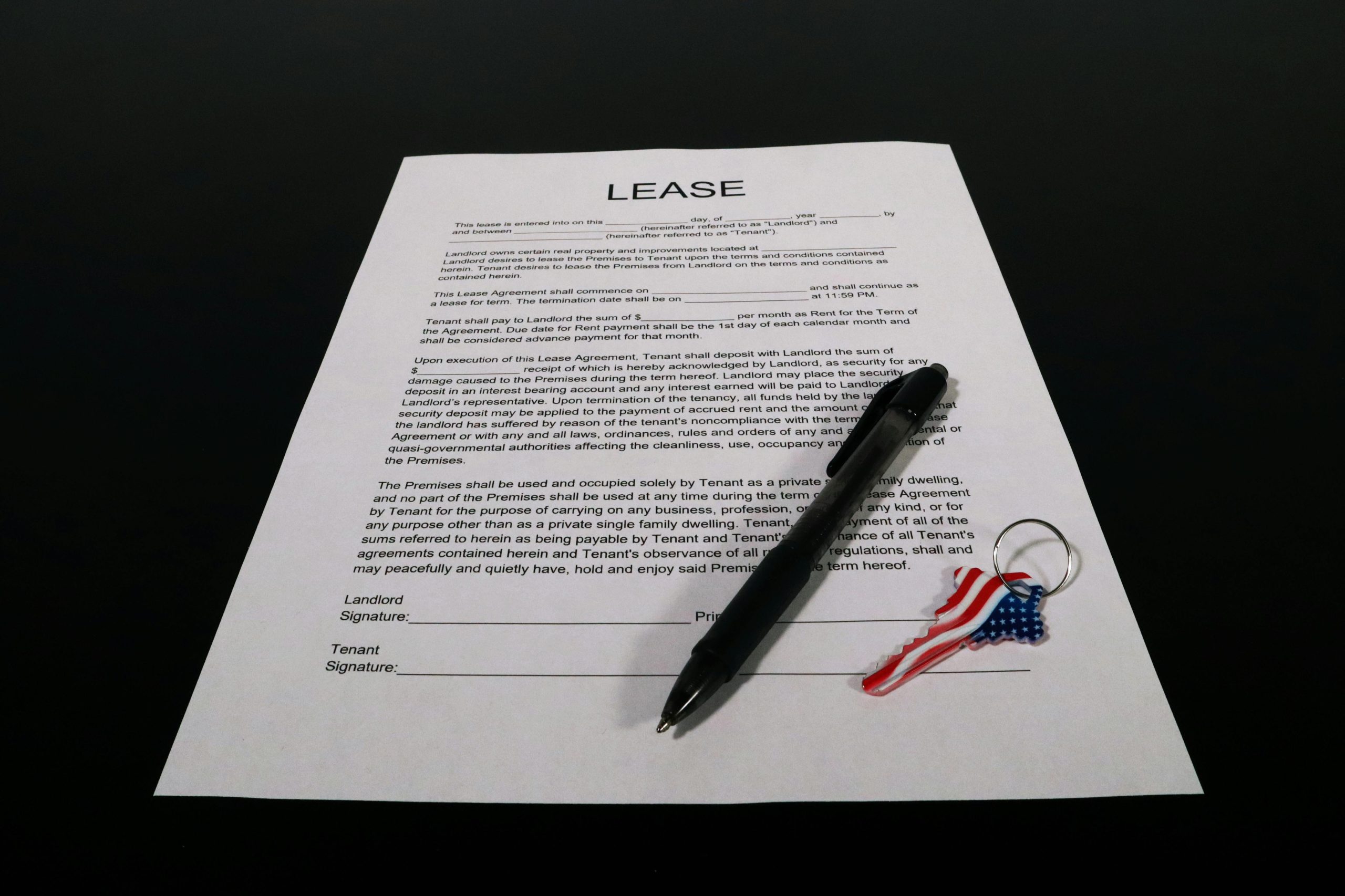
In your situation, you have identified a suitable shop space with an 18-month lease. Given your current performance and the stable income from your market operations, this lease presents a manageable risk. However, consider the following:
- Lease Terms: Review the lease agreement carefully, noting renewal options, escalation clauses, and maintenance responsibilities.
- Financial Planning: Ensure your cash flow can support fixed costs such as rent, utilities, and staffing during this period.
- Contingency Planning: Prepare for potential challenges by setting aside reserves or having a flexible business plan.
Next Steps for a Seamless Transition
- Legal and Financial Consultation: Engage with a solicitor and accountant experienced in small business transitions to understand implications, set up the appropriate business structure, and optimize tax planning.
- Registering Your Business: If opting for a limited company, complete registration with Companies House and set up necessary accounting systems.
- Licensing and Compliance: Obtain any required permits or licenses for retail operation in your location.
- Branding and Marketing: Develop a branding strategy and marketing plan to attract your existing customers and reach new audiences.
- Operational Planning: Organize inventory management, staffing, and store layout to ensure efficient operations from day one.
Conclusion
Transitioning from a successful market stall to a permanent brick-and-mortar shop is a significant step that requires careful planning and strategic decision-making. Choosing the appropriate legal structure—such as registering as a limited company—can provide added security and long-term benefits. With thorough preparation, professional advice, and prudent financial management, you can set the foundation for a thriving retail outlet that takes your business to the next level.
Author: [Your Name]
Business Growth Specialist & Retail Consultant
[Your Business or Website]











One Comment
This is an excellent outline of the critical considerations when transitioning from a market stall to a permanent retail space. One aspect worth emphasizing is the importance of conducting thorough market research and location analysis before finalizing your shop. Even with a loyal customer base from your stall, a permanent location can introduce new competitors and demographic dynamics. Additionally, leveraging digital marketing strategies—such as social media, local SEO, and an online presence—can help retain your existing customers while attracting a broader audience.
Another key point is the potential benefit of exploring flexible lease arrangements or pop-up shop models, which can serve as a testing ground before committing to a long-term lease. This approach minimizes risk and allows you to adapt based on customer feedback and sales performance.
Finally, integrating sustainable business practices and community engagement can differentiate your shop and foster brand loyalty in the local area. Overall, combining strategic planning with adaptability and robust market insights will position your new retail outlet for sustained success.