
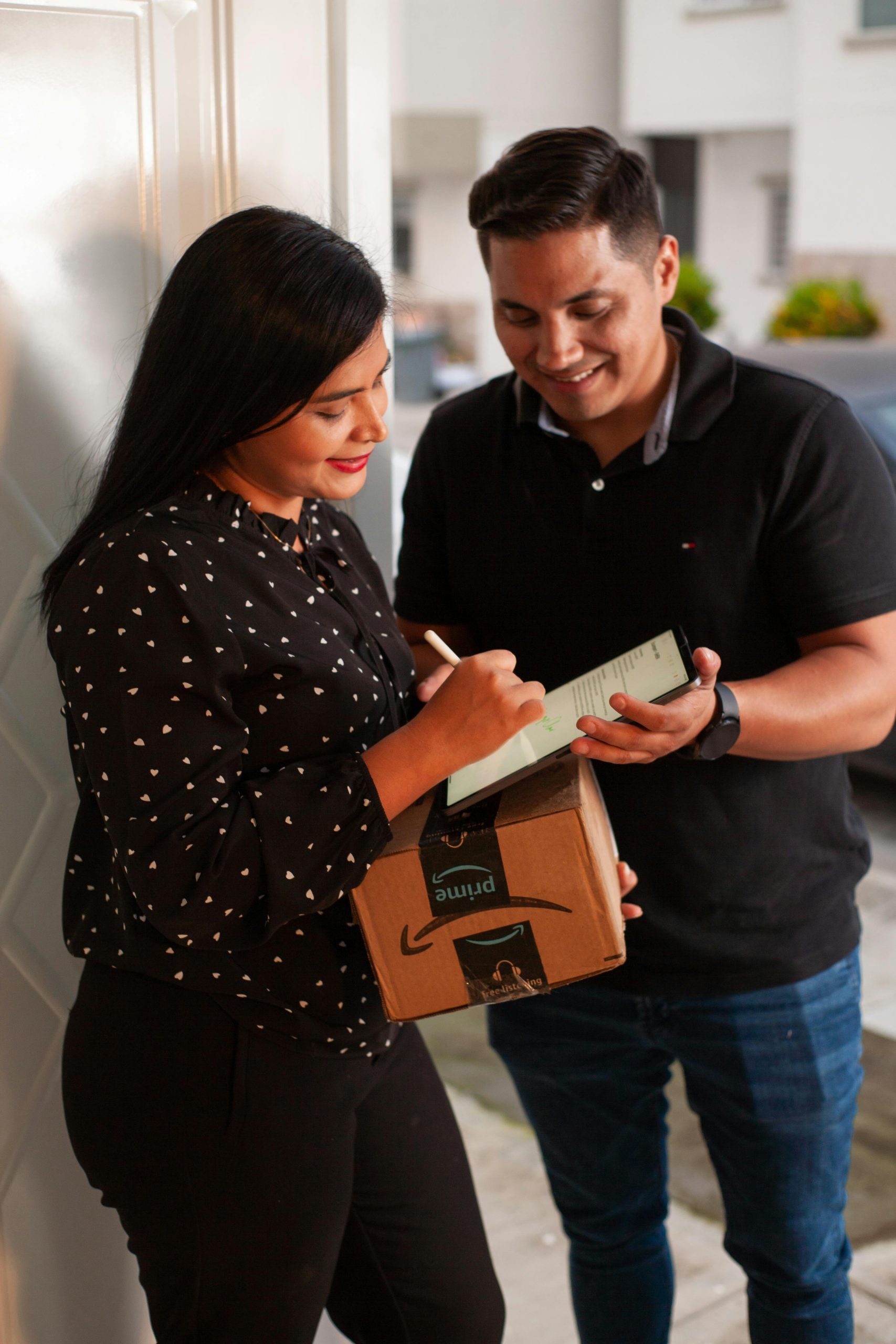
Understanding Chargeback Fraud: A Case Study on Delivery Disputes
As a small business owner, navigating the complexities of customer disputes and chargebacks can be both frustrating and disheartening. This article explores a recent case involving a chargeback initiated by a customer who claimed they did not receive an item, despite clear evidence of delivery to an incorrect address provided at checkout.
Overview of the Situation
In the UK, our small business received an order from a customer who, unfortunately, entered their old home address during the checkout process. After shipping the order via DHL with tracked delivery, we received confirmation that the package was marked as delivered. This confirmation included:
- The GPS coordinates of the delivery,
- A timestamp of when the delivery occurred, and
- A photo showing a person at the door of the correct address accepting the parcel.
To affirm our delivery, I personally visited the location depicted in the delivery photo and verified that it matched the address entered by the customer.
The Customer’s Claims
Shortly after the delivery, the customer contacted us, claiming they had not received the item. Initially, they expressed confusion over where the package had been delivered. However, they later admitted that it had been sent to their former address. As the conversation progressed, the customer changed their narrative multiple times, ultimately asserting that the current occupants of their old address denied receiving the parcel and suggested that the DHL driver might have stolen it.
Despite clear evidence provided by DHL confirming successful delivery, the customer insisted that delivery was only valid if they themselves personally received the package. They quoted the Consumer Rights Act in their defense. It’s worth noting that the law typically recognizes that delivery to the specified address meets the seller’s fulfillment obligations, especially with documented evidence.
Our Response
We maintained our position that the order was fulfilled correctly, emphasizing that we delivered to the address provided at checkout. We attempted to assist the customer by contacting the police regarding the alleged theft, but law enforcement confirmed that delivery evidence negated our liability in this matter.
Interestingly, after this incident, the same customer placed a second order using their correct address, which we delivered in person. During this interaction, speaking directly with the customer’s husband revealed that they were aware of their mistake and had attempted to retrieve the parcel from the occupants of their previous residence. He expressed regret over the confusion and suggested they might not pursue the matter further.
The Chargeback
Despite this admission, the customer proceeded to file a chargeback with their bank, citing “Item Not Received.” As we prepare to respond to the chargeback, it’s crucial to understand the implications of such actions and what options might be available should the chargeback favor the customer.
Moving Forward: Best Practices
-
Documentation Is Key: Always keep a record of all communications with customers, shipping confirmations, and photographic evidence of delivery to protect your business in chargeback disputes.
-
Respond Promptly: When faced with a chargeback, respond as soon as possible with all relevant documentation to support your case.
-
Legal Options: If the chargeback is ruled in favor of the customer, consider whether pursuing small claims court for fraud is a justified option based on the evidence available.
-
Education on Consumer Rights: Familiarize yourself and your staff with consumer laws to better handle similar disputes in the future, ensuring that you inform customers of their rights and obligations during the purchasing process.
-
Support Network: Join business owner forums or groups where you can share experiences and gather advice on similar disputes.
Conclusion
Dealing with chargeback claims can be disheartening, especially when you believe you have fulfilled your obligations as a seller. It’s essential to maintain transparency, uphold strong documentation practices, and know your rights as a business owner. Ultimately, these practices will not only safeguard your business against unjust claims but will also reinforce a culture of accountability among customers.
As small business owners, we strive to provide exceptional service, and while challenges may arise, our commitment to integrity and quality must remain at the forefront of our operations.











One Comment
This is a valuable and thoughtfully detailed overview of a common yet complex issue faced by small businesses—chargeback disputes due to delivery errors or customer misunderstandings. Your emphasis on comprehensive documentation and prompt response cannot be overstated, as these are crucial in establishing a clear defense. Additionally, highlighting the importance of verifying delivery through GPS coordinates, photos, and in-person confirmation sets a strong example for best practices.
One point to consider is the potential for preventative measures—such as prompting customers to double-check their delivery addresses during checkout or including a reminder of the importance of updating contact information. Educating customers about delivery procedures and their responsibilities can also mitigate such disputes before they escalate.
Furthermore, fostering open communication channels may sometimes resolve misunderstandings more efficiently, possibly avoiding costly chargebacks altogether. Overall, your insights serve as a helpful guide for small business owners navigating these challenging scenarios, reinforcing that solid processes and proactive engagement are key to protecting your business while maintaining trust with your customers.