
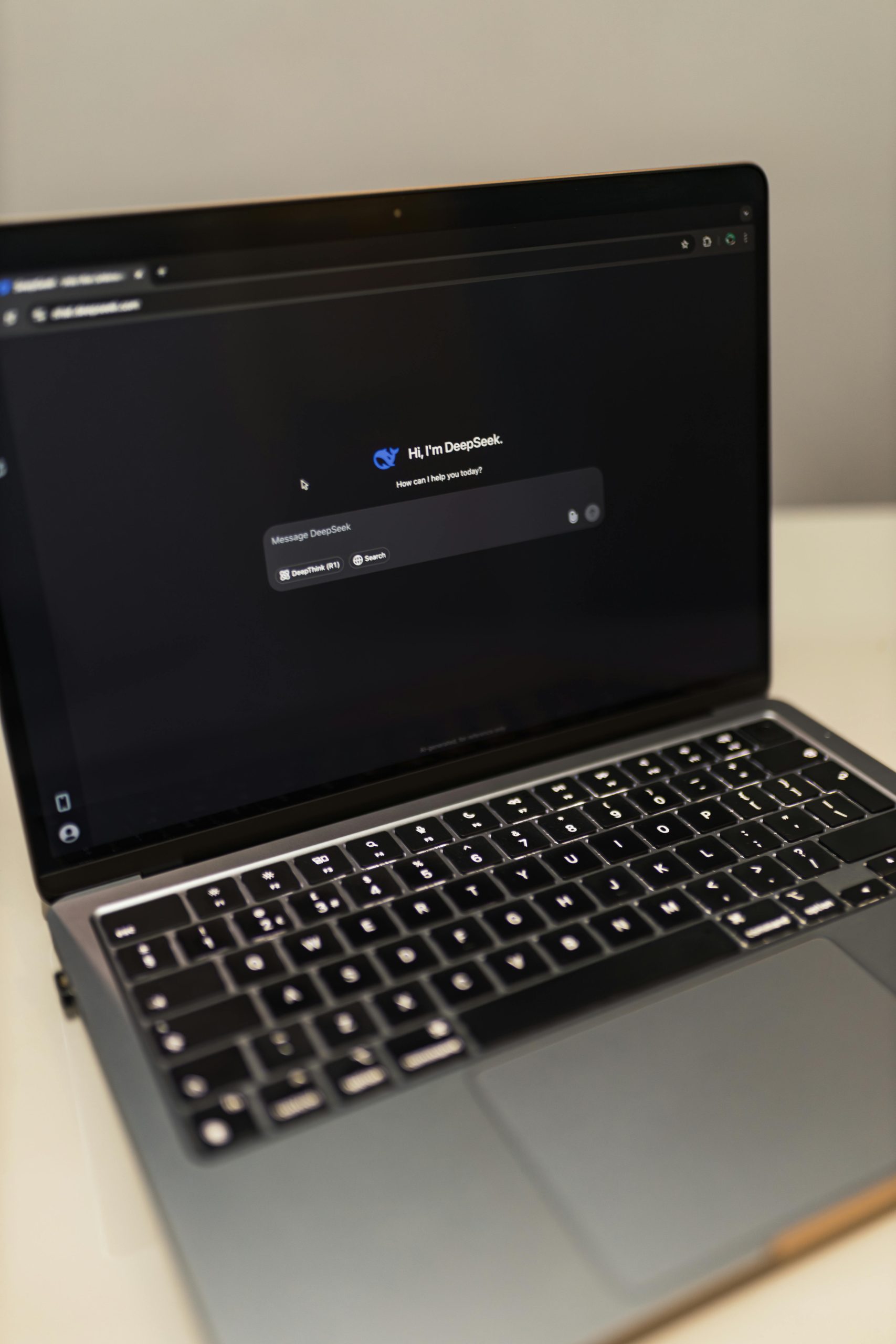
Embracing AI in Leadership: Navigating the Shift from Doer to Director
In today’s rapidly evolving technological landscape, many professionals are integrating artificial intelligence tools like ChatGPT into their daily workflows. These AI systems are revolutionizing how we approach strategic planning, problem-solving, and decision-making, significantly reducing the time and effort traditionally required.
For entrepreneurs and business leaders, leveraging AI to clarify business direction and test strategies can be a game-changer. By automating routine or time-consuming tasks, AI allows for more efficient use of time—potentially saving upwards of 15 hours each week. This newfound efficiency enables leaders to focus on higher-level priorities, innovation, and growth.
However, this transition comes with its own set of psychological and cultural challenges. Some leaders report feeling a sense of “AI guilt” — a perception that relying on artificial intelligence might be akin to “cheating” the natural thinking process. This feeling may stem from a traditional ethos of hard work and visible effort, leading to pressure to appear busy even when the heavy lifting has been handled behind the scenes by AI.
Navigating this shift requires redefining leadership roles in the digital age. Moving from being a hands-on “doer” to a strategic “prompt-based director” involves embracing new skill sets and mindsets. It’s about trusting AI as a valuable partner that enhances decision-making rather than diminishes personal contribution.
To successfully adapt to this new paradigm, consider the following approaches:
– Recognize that leveraging AI is an evolution of leadership skill, not a shortcut to bypass effort.
– Focus on strategic oversight and creativity—areas where human insight remains irreplaceable.
– Cultivate transparency with your team about how AI tools are being used to support, not replace, leadership efforts.
– Reframe perceptions around productivity and effort, valuing strategic thinking over visible busywork.
As leaders continue to integrate AI into their workflows, it’s important to be mindful of these psychological shifts and to foster environments that value innovation, trust, and strategic vision. Embracing AI as an assistant rather than a shortcut can lead to more effective leadership and a healthier relationship with work in today’s digital age.











One Comment
This post raises a vital point about the evolving nature of leadership in the age of AI. The concept of “AI Guilt” is indeed a reflection of our ingrained ethos that hard work must always be visibly evident, which can hinder the seamless integration of AI tools. Recognizing AI as an extension of our strategic capabilities rather than a shortcut allows leaders to reframe their mindset—shifting from valuing effort solely in terms of time spent to appreciating the quality and impact of decision-making.
Furthermore, fostering transparency within teams about AI’s role can demystify its use and alleviate concerns about authenticity and effort. As leaders, embracing the shift to a more strategic, prompt-based approach involves cultivating skills in asking the right questions and guiding AI-generated insights toward innovative solutions.
Ultimately, redefining productivity to emphasize strategic thinking and creative problem-solving, supported by AI, can lead to a more empowered, forward-thinking leadership style. This transition not only enhances efficiency but also nurtures a culture of trust, continuous learning, and adaptability—key ingredients for success in today’s digital landscape.