
Understanding How to Claim Home Expenses for Your Limited Company: HMRC Guidelines on Apportionment
Managing expenses for a limited company that operates from a home office can often raise questions about proper procedures and compliance with tax regulations. A common scenario involves utilizing part of a residential property exclusively for business purposes—such as storage, tech operations, or administrative work—and seeking guidance on how to fairly allocate and claim relevant expenses.
Using Part of Your Home for Business Purposes
If your limited company operates from a dedicated section of your home—say, one of two rooms, or approximately half of your property—it’s essential to understand how HM Revenue & Customs (HMRC) views expense claiming. Only expenses that relate specifically to the business use of the property are eligible for claim, and these must be carefully apportioned.
What Expenses Can Be Claimed?
Typical costs that may be apportioned include:
- Utilities (electricity, water, gas)
- Council Tax
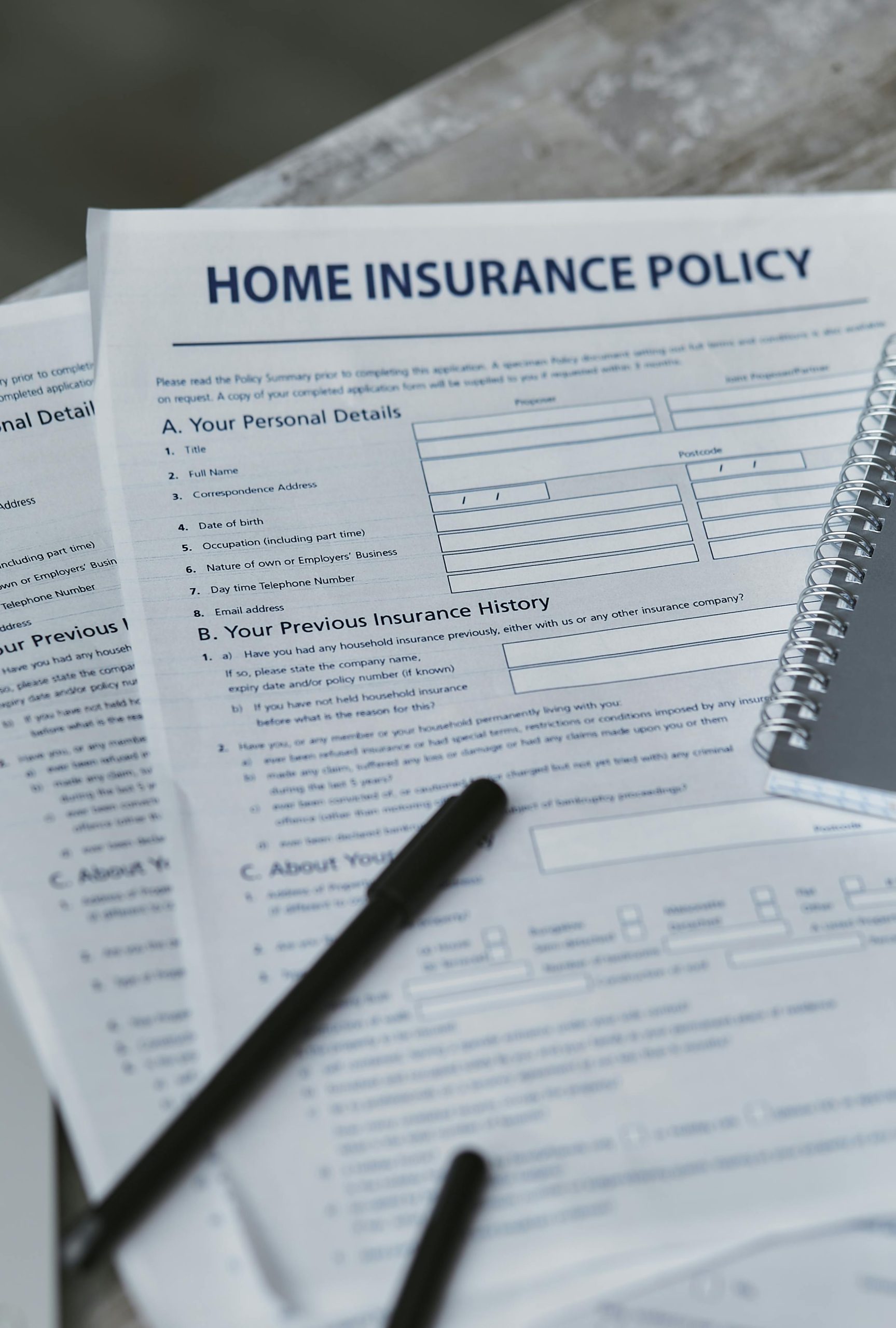
- Home Insurance
- Repairs and maintenance
However, costs directly attributable solely to the non-business part of your home cannot be claimed proportionally. Only the expenses attributable to the business use can be considered.
Paying Expenses: Personal Payment vs. Direct Company Reimbursement
When it comes to settling these bills, you have two primary options:
-
Pay personally and claim reimbursement: You pay the bills out of personal funds and then submit an expense claim to the company for reimbursement. This method ensures clear documentation of expenses.
-
Allow the company to pay directly: The business pays the bills directly, but this approach requires proper documentation to evidence that the expenses relate solely to the company’s use of the property.
Regardless of the method, maintaining detailed records and supporting documentation for all payments is crucial.
Calculating and Documenting the Business Portion
To determine the portion of household expenses attributable to your business activities, you should:
-
Measure the Area: Calculate the percentage of your home used exclusively for business—for example, one room out of two, or 50% of the total property area.
-
Estimate Usage: Confirm that the space is used solely for business, and not for personal activities, to ensure the claim’s validity.
-
Allocate Expenses: Apply this percentage to relevant bills. For instance, if utilities total £1,000 annually, and your business space accounts for 50%, then £500 would be considered a business expense.
-
Maintain Accurate Records: Keep copies of bills, calculations of usage, and any relevant correspondence to support your claims during HMRC reviews.
Special Considerations
-
If members of the public do not visit your premises, the claim process remains largely the same, provided the space is used exclusively for business purposes.
-
Ensure that expenses claimed are reasonable and directly related to the business, avoiding over-claims that could trigger HMRC scrutiny.
Conclusion
Claiming home expenses for your limited company requires careful calculation, documentation, and adherence to HMRC guidelines. By accurately apportioning household costs based on the exclusive business use of designated areas, and maintaining thorough records, you can ensure compliance while benefiting from eligible expense claims. When in doubt, consulting with a tax professional or accountant can provide personalized guidance tailored to your specific circumstances.










2 Comments
This is a comprehensive overview that highlights the importance of precise apportionment and meticulous record-keeping when claiming home expenses for a limited company. One extra point to consider is the potential impact of shared spaces—such as a living room used for both personal and business activities. In such cases, ensuring clear boundaries and documenting the specific times or activities dedicated to business use can further strengthen your claim and prevent HMRC concerns. Additionally, reviewing the latest HMRC guidance or consulting with a tax professional can help tailor the apportionment approach to your unique circumstances, especially as regulations evolve. Overall, diligent management of these expenses not only maximizes your tax efficiency but also ensures ongoing compliance.
This post provides a comprehensive overview of the critical considerations when claiming home expenses for a limited company under HMRC rules. An often overlooked aspect is the importance of establishing a clear boundary between personal and business use—both physically (e.g., dedicated workspace) and in record-keeping.
In addition to the methodologies discussed, it’s worth noting that HMRC increasingly emphasizes the need for substantiation through detailed records. Digital tools or dedicated spreadsheets can streamline the process of apportioning costs accurately. For example, maintaining a log of the specific hours or days the space is used exclusively for business can further reinforce the claim, especially if the space is not used continuously.
Furthermore, with the growth of hybrid working arrangements, the line between personal and business use can sometimes blur. In such cases, proportionate claims should be conservative, reasonable, and well-documented to prevent potential challenges during HMRC audits.
Finally, it’s advisable for business owners to review current HMRC guidance periodically or consult with a tax professional, especially as regulations evolve or new disallowed expenses emerge. Proper planning and diligent documentation will ensure that expense claims are both maximized and compliant, offering peace of mind and financial efficiency.