
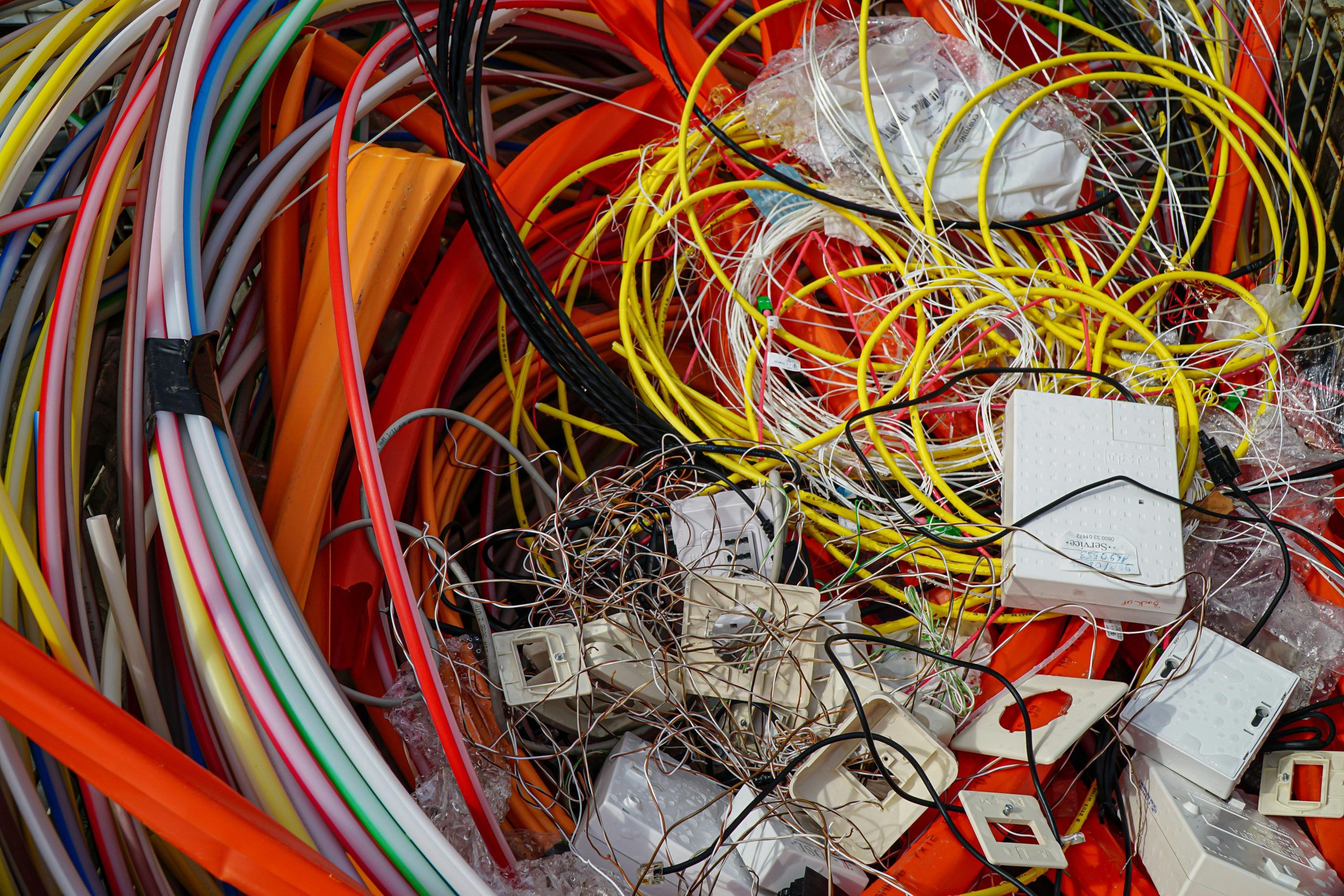
Efficient and Cost-Effective Solutions for Managing Electronic Waste
As businesses evolve, upgrading IT equipment becomes a necessary step toward maintaining efficiency and competitiveness. However, with these upgrades comes the challenge of properly disposing of outdated electronic devices, commonly referred to as electronic waste (e-waste). If you’re grappling with the aftermath of a significant IT overhaul—such as old monitors, servers, and desktop units—you’re likely facing a storage room filled with equipment that’s no longer usable but can’t simply be discarded in the trash.
Understanding E-Waste Regulations
Throwing away electronic devices isn’t just irresponsible; it can also lead to violations of legal and environmental regulations. As e-waste contains materials that are hazardous to the environment, responsible disposal is crucial for both compliance and sustainability.
Exploring Disposal Options
When faced with a surplus of decommissioned equipment, business owners often find themselves overwhelmed by the costs associated with proper e-waste disposal. Many waste removal companies charge exorbitant fees for pickup services, leaving individuals searching for more economical alternatives. Here are several options to consider:
-
Donation: If your equipment still holds some functionality, consider donating it to local schools, non-profits, or community centers. Even if the items are worn, organizations may appreciate them for parts or for minimal use.
-
Self-Transport: If feasible, you can transport the e-waste to dedicated collection centers. This option requires time and effort but may save on hefty waste removal fees.
-
Contracting Certified E-Waste Recyclers: Research companies that specialize in e-waste recycling and offer contracts for businesses. These companies typically ensure not only proper disposal but also data destruction services to secure sensitive information.
A Cost-Effective Solution
After exploring these options, it’s crucial to find a service that aligns with your budget while ensuring compliance and data safety. We were pleased to discover Precision E-Cycle, a company offering free pickup for bulk electronic waste in our area. Their service not only relieved us of our storage burden in a single day but also included data destruction certificates at no additional cost.
Conclusion
Managing electronic waste doesn’t have to break the bank or compromise your data security. By exploring donation, self-disposal, or contracting specialized e-waste recyclers, companies can handle their obsolete equipment responsibly and efficiently. Whether you’re a small business or a larger entity, it’s possible to find a partner that values both the environment and your budget. Remember, choosing the right disposal method can make a significant impact on your operational sustainability.











One Comment
Thank you for sharing these valuable insights on managing e-waste responsibly and cost-effectively. One additional approach worth considering is establishing an e-waste management policy as part of your overall corporate sustainability strategy. This policy can include regular audits of outdated equipment, partnerships with certified recyclers like Precision E-Cycle, and staff training on proper disposal procedures. Moreover, staying informed about local e-waste regulations and available programs can help ensure ongoing compliance while potentially uncovering new cost-saving opportunities. Investing in proactive e-waste management not only mitigates environmental impact but can also enhance your company’s reputation for social responsibility—an increasingly important factor for customers and stakeholders alike.