
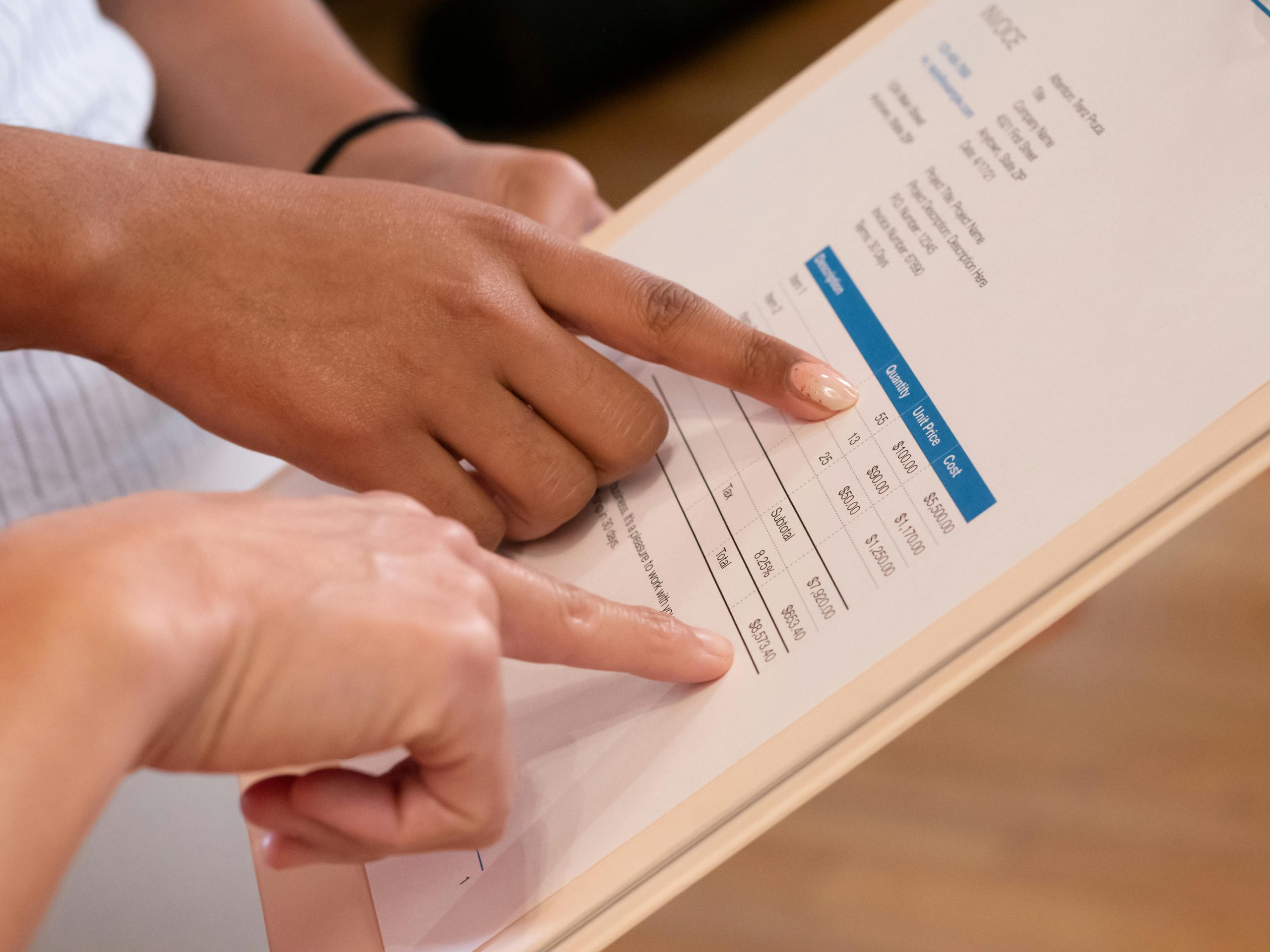
Title: Providing Invoices Without Customer Address: Legal Considerations for Small Business Owners in the UK
As a small business owner operating within the United Kingdom, ensuring compliance with invoicing regulations is essential for maintaining legal integrity and smooth financial operations. One common challenge arises when a client refuses to provide their billing address, raising questions about the legitimacy and enforceability of associated invoices.
Understanding Invoicing Requirements in the UK
According to UK HM Revenue & Customs guidelines, an invoice must include certain mandatory details to be considered valid for taxation and accounting purposes. These include the supplierΓÇÖs name and address, the customerΓÇÖs name and address, a unique invoice number, invoice date, description of goods or services, and the total amount payable.
Specifically, HMRCΓÇÖs guidance states:
“An invoice must include the name and address of the supplier and the customer, among other details.”
(Source: Gov.uk – Invoicing and taking payment from customers)
The Purpose of Including Customer Address on an Invoice
Including the customerΓÇÖs address on an invoice serves multiple purposes:
- Legal compliance: Ensures the invoice adheres to statutory requirements.
- Taxation: Facilitates accurate VAT accounting and returns.
- Record-keeping: Provides clear documentation for both parties in case of disputes or audits.
- Enforcement: Assists in verifying the legitimacy of the transaction and the identity of the customer.
Handling Client Refusals to Disclose Address Details
In your scenario, a client has elected not to disclose their address, asserting that their name is sufficient for invoicing purposes. While they have already paid you and you possess their bank details, this situation prompts considerations regarding compliance and best practices.
Legal Position and Recommendations
-
Can You Issue an Invoice Without the ClientΓÇÖs Address?
Strictly speaking, an invoice that omits the clientΓÇÖs address may not fully meet HMRC’s statutory requirements. This could potentially affect the invoiceΓÇÖs validity for VAT accounting or deductibility purposes. -
Should You Require the Address?
Given the legal requirements, it is prudent to request the clientΓÇÖs address to ensure compliance. Inform the client politely that providing their address is necessary to produce a valid invoice, especially if you are registered for VAT or need to retain official records. -
What if the Client refuses?











One Comment
This is a great overview of the importance of maintaining compliance with UK invoicing regulations. It’s crucial for small business owners to understand that the client’s address isn’t just a formality—it’s a key component that supports legal validity, accurate tax reporting, and clear record-keeping. If a client refuses to disclose their address, it’s wise to communicate the necessity of this information professionally, emphasizing how it aligns with statutory requirements and benefits both parties in the event of audits or disputes. Ultimately, prioritizing transparency and adherence not only safeguards your business legally but also enhances your reputation for diligence and professionalism. Have you encountered situations where clients were hesitant to share their details? If so, what strategies did you find effective in handling those conversations?