
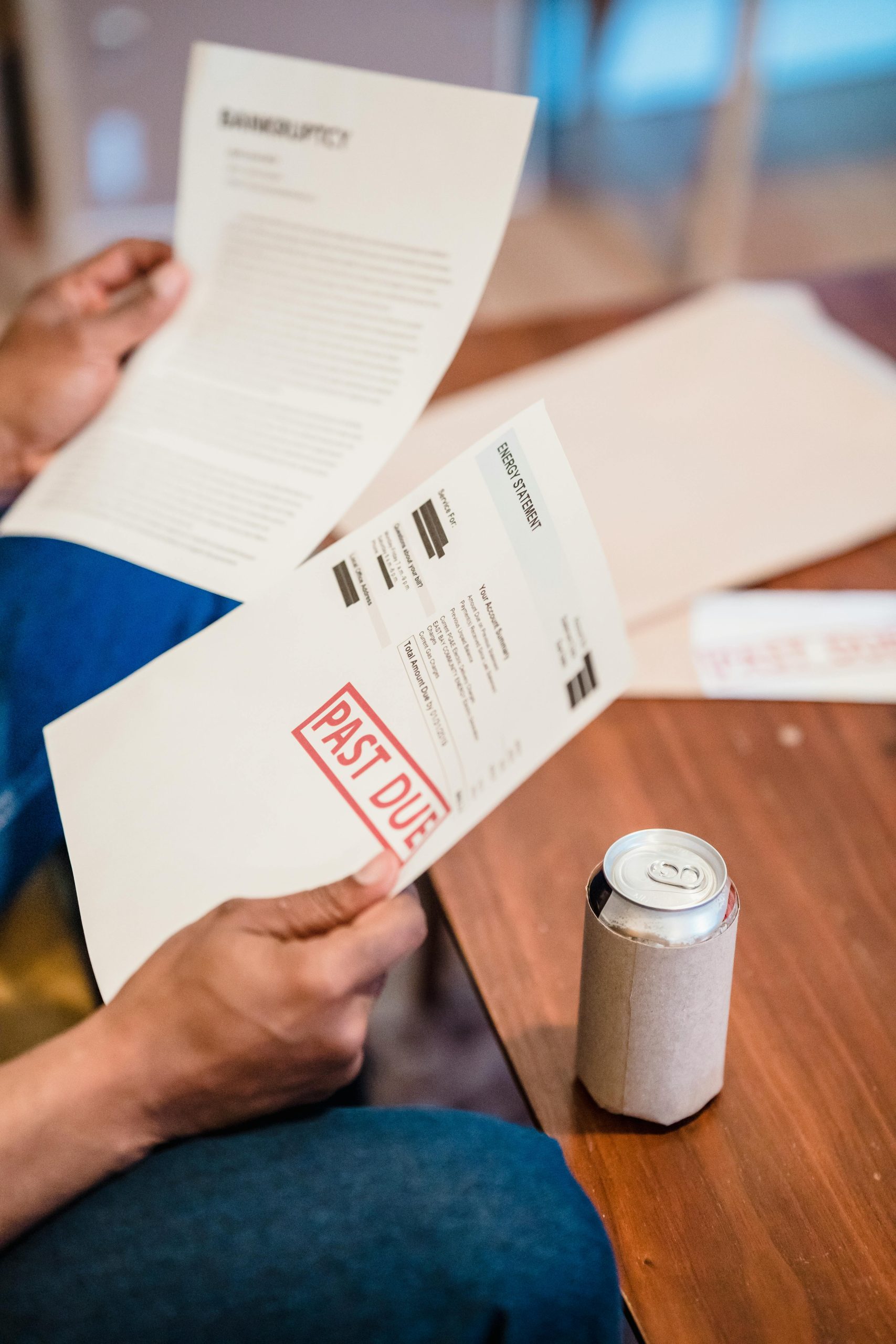
Navigating Business Financial Distress: A Case Study of HMRC and Royal Mail Debts
Running a small business can be a rewarding experience, but it also presents a host of financial challenges that can spiral out of control, especially in unforeseen circumstances. Recent stories highlight the importance of understanding the implications of accumulating debts and the steps entrepreneurs can take when facing potential insolvency.
The Personal Impact of Business Financial Struggles
Consider the case of an entrepreneur who, despite serious health issues, maintained their online print business to support their family. Unfortunately, health challenges curtailed their income, resulting in a significant decline in business profitability. Over four years, this individual accumulated approximately £9,000 in unpaid taxes owed to HM Revenue & Customs (HMRC), covering corporation and PAYE obligations, along with an outstanding £3,500 owed to Royal Mail for postal services.
Despite ongoing efforts to keep the business afloat, the worsening economic climate and mounting debts led to persistent legal notices and demand letters. At present, the individual reports having no assets or substantial funds in the business bank account, raising concerns about potential insolvency and personal liability.
Understanding Business Liquidation and Personal Liability
A common question among struggling entrepreneurs is whether dissolving a company will result in personal responsibility for its debts. It’s crucial to understand that the answer depends on several factors, including the company’s legal structure and whether the entrepreneur has provided personal guarantees.
In UK company law, a Limited Company is a separate legal entity, meaning that, generally, the owners’ personal assets are protected from the company’s debts. However, this protection can be compromised if the business owner has given personal guarantees or engaged in wrongful or fraudulent trading. Dissolution or liquidation of the company may not automatically absolve the director of liability, especially if any misconduct is suspected.
The Challenges of Dissolution Without Assets
Liquidating or dissolving a business that has significant unpaid debts can be complex, particularly without available assets. Such action does not erase unpaid taxes or debts owed to creditors like Royal Mail. In fact, HMRC and other creditors can pursue outstanding balances and may even pursue personal liabilities if the circumstances warrant.
Furthermore, attempting to resolve debts through informal agreements or partial payments can sometimes be an option, but it requires careful negotiation and legal guidance.
Seeking Affordable Advice and Support
For small business owners facing financial distress, professional advice is invaluable. While engaging a liquidator or insolvency practitioner may seem costly, there are free or low-cost resources available,











One Comment
This case underscores the critical importance of proactive financial management and early intervention for small business owners. One key takeaway is the value of maintaining transparent communication with creditors like HMRC and Royal Mail, especially when facing financial difficulties. Seeking expert advice early on—not only from insolvency practitioners but also from charities or government-supported business advisory services—can help identify options such as formal restructuring or negotiating repayment plans before debts escalate beyond control. Additionally, understanding the legal implications of personal guarantees and the limits of company liability is essential for entrepreneurs to protect their personal assets. Ultimately, prompt, informed action can make a significant difference in navigating financial distress and potentially averting insolvency or personal liabilities.