

Unlocking E-Commerce Success: Selling on Amazon with Shopify and Print-on-Demand ΓÇô A Step-by-Step Guide to Earning Your First Million Without Inventory
Over the past few months, IΓÇÖve shared my journey of generating $150,000 in profit through T-shirt sales on Amazon. Now, I want to elevate that conversation by outlining a comprehensive, actionable strategy to help you earn your first $1,000,000 on Amazon ΓÇö all without holding any inventory. This approach leverages ShopifyΓÇÖs powerful integration with Amazon, combined with print-on-demand services, allowing you to scale across dozens or even hundreds of product categories.
A Brief Background: From T-Shirts to a Broad Merch Empire
You might recognize my name from a previous post about selling T-shirts via Merch by Amazon, a program that, until recently, was invite-only and heavily restricted. Due to the rapid growth and resulting bottlenecks, Amazon has made Merch by Amazon increasingly exclusive, limiting new sign-ups and access.
This shift might seem like a setback, but it actually opens an exciting avenue for entrepreneurs willing to adapt. The key is to diversify your product offerings beyond clothing ΓÇö into mugs, towels, phone cases, flags, and even home decor items ΓÇö all without managing physical stock.
Why Selling on Amazon Is Critical
Amazon dominates the e-commerce landscape, capturing a substantial share of product sales:
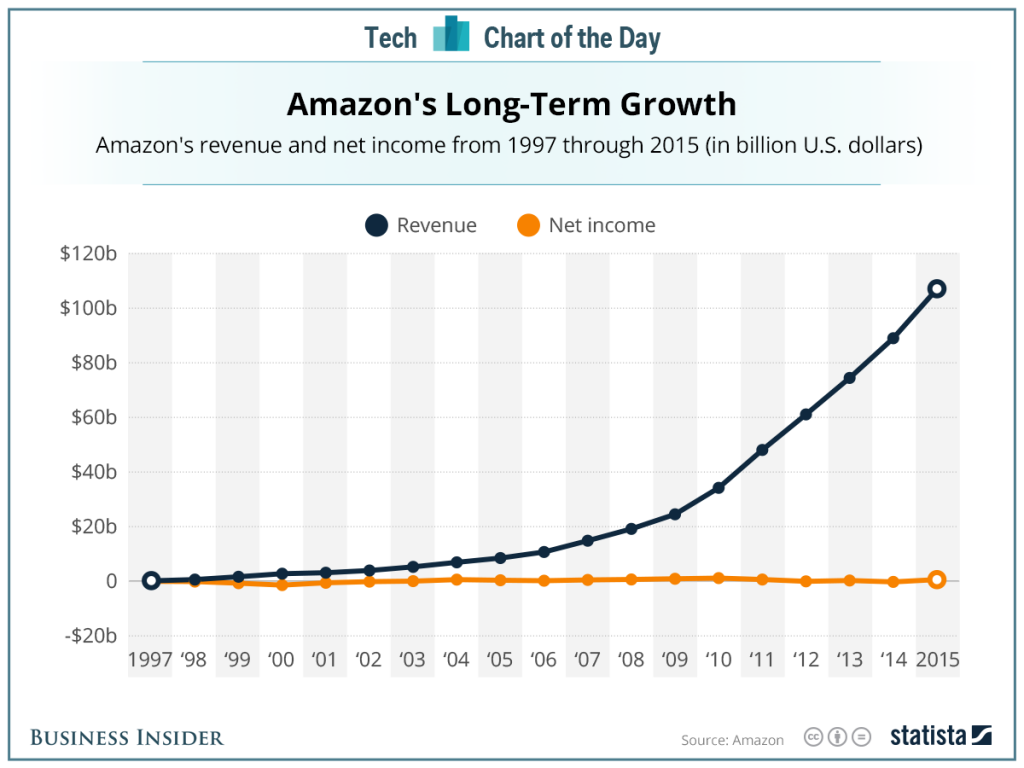
Their relentless capital investments and strategic initiatives, such as Merch by Amazon, showcase their commitment to expanding their print-on-demand and merchandise ecosystem. For creators and entrepreneurs, that means unprecedented opportunity ΓÇö if you play your cards right.
Transitioning from Merch by Amazon to a Broader Shopify-Amazon Strategy
Given the current restrictions on Merch by Amazon, the optimal strategy now involves utilizing Shopify as your storefront and connecting it directly to AmazonΓÇÖs marketplace. This method allows you to:
- Sell a wide variety of product types (shirts, hoodies, mugs, flags, towels, and more)
- Avoid inventory risks by using print-on-demand services
- Scale rapidly across multiple product categories with minimal upfront costs
The Print-on-Demand Shopify-Amazon Model Explained
This system hinges on four critical components:
- Understanding AmazonΓÇÖs Best Sellers Rank (BSR) to identify profitable niches
- Creating or sourcing high-quality designs and artwork
- Setting up and optimizing











2 Comments
This strategic shift towards utilizing Shopify in conjunction with AmazonΓÇÖs marketplace for print-on-demand products is a smart response to the evolving restrictions within Merch by Amazon. Leveraging Shopify as a flexible storefront offers entrepreneurs greater control over branding, product diversification, and customer engagement, while still tapping into AmazonΓÇÖs vast customer base for fulfillment and exposure.
It’s important to emphasize that success in this model not only relies on identifying high-demand niches through tools like Amazon╬ô├ç├ûs BSR but also on understanding the nuances of effective design, branding, and customer experience. Additionally, integrating print-on-demand services with robust marketing strategies╬ô├ç├╢such as targeted Facebook or Instagram ads╬ô├ç├╢can significantly amplify visibility and sales.
One aspect often overlooked is the importance of quality and consistency in designs, as well as utilizing data analytics to continually refine your product offerings and marketing efforts. As the print-on-demand ecosystem matures, staying informed about emerging trends, niche markets, and evolving Amazon policies will be crucial for sustained growth.
Overall, this approach democratizes e-commerce success, making it accessible to entrepreneurs willing to adapt and innovate beyond traditional inventory models. With a strategic blend of market research, high-quality design, and optimized cross-platform integration, hitting that $1M milestone becomes an increasingly attainable goal.
This is an inspiring and strategic approach to scaling an e-commerce business without the traditional inventory risks. Leveraging Shopify’s integration with Amazon combined with print-on-demand is a smart way to diversify product offerings and tap into Amazon’s vast customer base. To add more value, I’d recommend paying close attention to niche selection and trending topics—tools like Jungle Scout or Helium 10 can help identify high-growth segments with low competition. Additionally, focusing on high-quality, unique designs and optimizing product listings for SEO can significantly improve visibility and conversion rates. Establishing a streamlined process for A/B testing different design concepts and marketing strategies will also help refine your approach over time. This model exemplifies how innovation and adaptability are key in navigating the evolving landscape of e-commerce. Thanks for sharing this detailed roadmap!