

Unlocking Success: How I Built a Profitable Jewelry Cleaner Business
In this article, IΓÇÖll share the journey of transforming a simple idea into a thriving business, highlighting key lessons learned along the way. This story exemplifies how strategic thinking, minimal investment, and understanding customer needs can turn any small venture into a sustainable income stream.
The Origin Story: A Chance Encounter Leads to Opportunity
Back in 2011, during a casual visit to a local shopping center, I encountered an older gentleman at a kiosk selling a jewelry cleaning solution. He caught my attention with a compelling sales pitch, reminiscent of those legendary NYC sales videosΓÇöcharismatic, persuasive, and confident. Intrigued, I purchased a bottle of his product and brought it home.
My then-girlfriend, now my wife, tested the cleaner on her jewelry. It worked remarkably well, leaving her jewelry sparkling and clean. The potential was clear: a simple product, easy to demonstrate, with proven results.
Exploring Retail Opportunities
Encouraged by initial success, I revisited the kiosk weekly. Each visit involved casual chats, building rapport with the seller. Eventually, he hinted at needing to clear his inventory quicklyΓÇöa classic bulk sale opportunity. I decided to purchase his entire supply, investing $750 for the solution, bottles, equipment, and a day of hands-on training.
Rather than committing long-term to a kiosk setup, I explored alternative retail avenues. Flea markets emerged as a flexible option; for a modest fee, I could set up a booth and sell directly to consumers. We offered three bottle sizesΓÇö100ml, 250ml, and 500mlΓÇöpriced at $4.99, $9.99, and $14.99 respectively.
While selling at flea markets generated income, I quickly realized that the productΓÇÖs longevity posed a challenge. The larger bottles lasted years, reducing repeat customers and limiting long-term sales potential. Nonetheless, I recouped or nearly recovered my initial investment through these sales.
Creating a Value-Add Gift Package
Six months later, a fortuitous conversation with a friend led to an innovative idea. The friend, a general manager of a local jewelry store, expressed frustration with customers requesting discountsΓÇöoften the only way to close a sale was by offering price reductions.
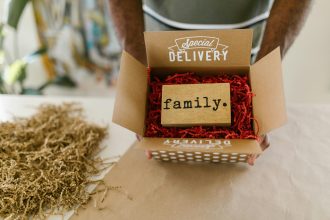
This sparked a concept: instead of discounting, why not offer a gift to improve perceived value? Gift-giving has a proven psychological impact, often more effective than price cuts. I envisioned packaging










2 Comments
This story beautifully illustrates how entrepreneurial success often hinges on understanding customer psychology and leveraging strategic product positioning. The pivot from simple flea market sales to creating a gift package capitalizes on the psychological value consumers place on perceived benefits rather than just price. Additionally, the journey highlights the importance of building relationshipsΓÇöwhether with the kiosk seller or local jewelry storesΓÇöto uncover new opportunities and scale effectively.
From a broader perspective, the key takeaway underscores that even low-investment, straightforward products can achieve substantial success when paired with creativity, a clear understanding of customer needs, and innovative marketing strategies. It’s a compelling example of how small entrepreneurs can leverage personal insights and local networks to turn a modest idea into a sustainable business.
This is an inspiring journey that highlights the importance of both adaptability and understanding customer psychology in building a successful business. Your shift from direct sales at flea markets to creating value-added gift packages demonstrates innovative thinking—adding perceived value can often be more impactful than competing solely on price. It’s also a great reminder that small, strategic investments, like purchasing inventory in bulk, combined with a keen awareness of customer needs and behavior, can lead to sustainable growth. I’d love to hear more about how the gift packaging has influenced customer response and repeat business, as well as any additional tips on managing inventory longevity for more frequent sales opportunities. Thanks for sharing such a practical and motivational story!