
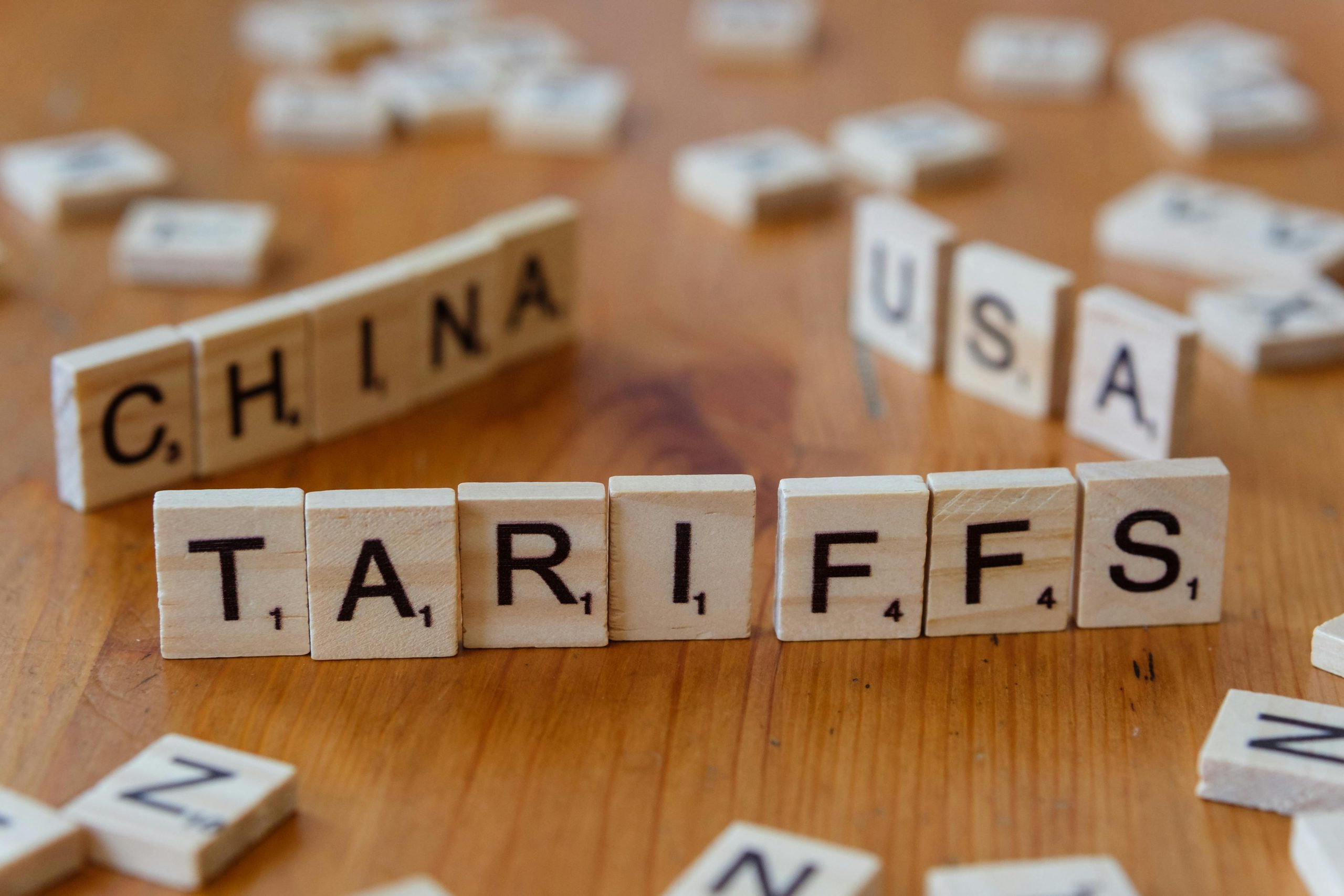
Impact of China Tariffs on U.S. Small Businesses: Are You Facing Similar Challenges?
As small business owners and entrepreneurs across the United States navigate an ever-changing economic landscape, recent developments such as increased tariffs on Chinese imports have introduced new hurdlesΓÇöparticularly for businesses heavily reliant on international supply chains. This article explores the potential impacts of these tariffs, highlights the experiences of small-scale entrepreneurs, and offers guidance on navigating these challenges.
The Small Business Perspective: A Personal Account
Consider the case of a dedicated artist and small business owner managing a creative enterprise with a team of one employee. This entrepreneurΓÇÖs product line primarily features merchandise adorned with original designs, with approximately fifty percent of inventory sourced from manufacturers based in China. Despite efforts to find domestic manufacturing alternatives, suitable U.S.-based partners remain elusive, leaving the business vulnerable to market shifts beyond its control.
Recently, the artist faced an urgent situation: a dwindling stockpile of merchandise due to manufacturing delays and increased import costs stemming from tariffs. With only a two-week supply remaining, thereΓÇÖs a looming threat of significant revenue lossΓÇöan abrupt upheaval not previously encountered. The uncertainty has created a sense of urgency and concern about the future viability of the business.
Broader Implications for U.S. Small Businesses
This scenario isnΓÇÖt isolated. Many small enterprises across diverse sectorsΓÇöranging from arts and crafts to consumer goodsΓÇöare similarly affected. Tariffs designed to protect domestic industries or respond to trade disputes can inadvertently increase costs for import-dependent businesses, squeeze profit margins, and lead to supply chain disruptions.
Key challenges faced include:
– Increased product costs: Tariffs often raise the cost of imported goods, forcing businesses to choose between absorbing the additional expense or passing it on to customers.
– Supply chain delays: Customs processing and increased inspection protocols can lead to longer lead times, impacting inventory levels.
– Difficulty sourcing domestic alternatives: Small businesses frequently grapple with limited access to local manufacturers capable of scaling production to meet demand.
– Uncertainty and planning difficulties: Rapid changes in trade policies create an unpredictable environment, complicating strategic planning and inventory management.
Strategies for Mitigating Tariff-Related Risks
While the current landscape presents challenges, there are actionable steps that small business owners can consider:
- Diversify Your Supply Chain: Explore suppliers from different countries or regions to reduce dependency on a single source. Engaging with domestic manufacturers, even if initially more costly, can offer greater control











2 Comments
This post underscores a critical challenge that many small businesses are facing amid shifting trade policies. It’s important to recognize that while tariffs aim to bolster domestic industries, their ripple effects╬ô├ç├╢especially supply chain disruptions and increased costs╬ô├ç├╢can be detrimental to small enterprises.
One strategic approach worth exploring is the integration of reshoring and nearshoring options. Recent advancements in U.S. manufacturing capabilities, along with government incentives for domestic production, may provide viable pathways to reduce dependence on overseas suppliers. Additionally, leveraging technology such as digital supply chain management tools and predictive analytics can enhance inventory planning, helping businesses anticipate delays and adjust accordingly.
Furthermore, the current climate highlights the importance of building resilient supply chains through diversificationΓÇönot just geographically but also across product sources. Developing strong relationships with local suppliers, even if initially more expensive, can create more stability and flexibility in volatile times.
Lastly, policymakers might consider supporting small businesses through targeted trade adjustment assistance, grants, or subsidies to invest in domestic manufacturing and supply chain modernization. Collaborative efforts between government, industry associations, and small business owners could be integral in transforming these challenges into opportunities for innovation and growth.
Thank you for shedding light on these critical issues that small businesses are currently facing due to the China tariffs. Diversifying the supply chain is indeed a vital strategy—considering alternatives from regions such as Southeast Asia, Central America, or even exploring local suppliers can mitigate risks associated with geopolitical tensions. Additionally, leveraging technology for better inventory forecasting and building strategic buffer stocks could help manage sudden supply disruptions. For businesses heavily reliant on Chinese manufacturing, it might also be worth exploring long-term partnerships with local or regional manufacturers who can scale production as needed. Ultimately, adaptability and proactive planning will be key to weathering these challenges and maintaining operations in an increasingly uncertain trade environment.