
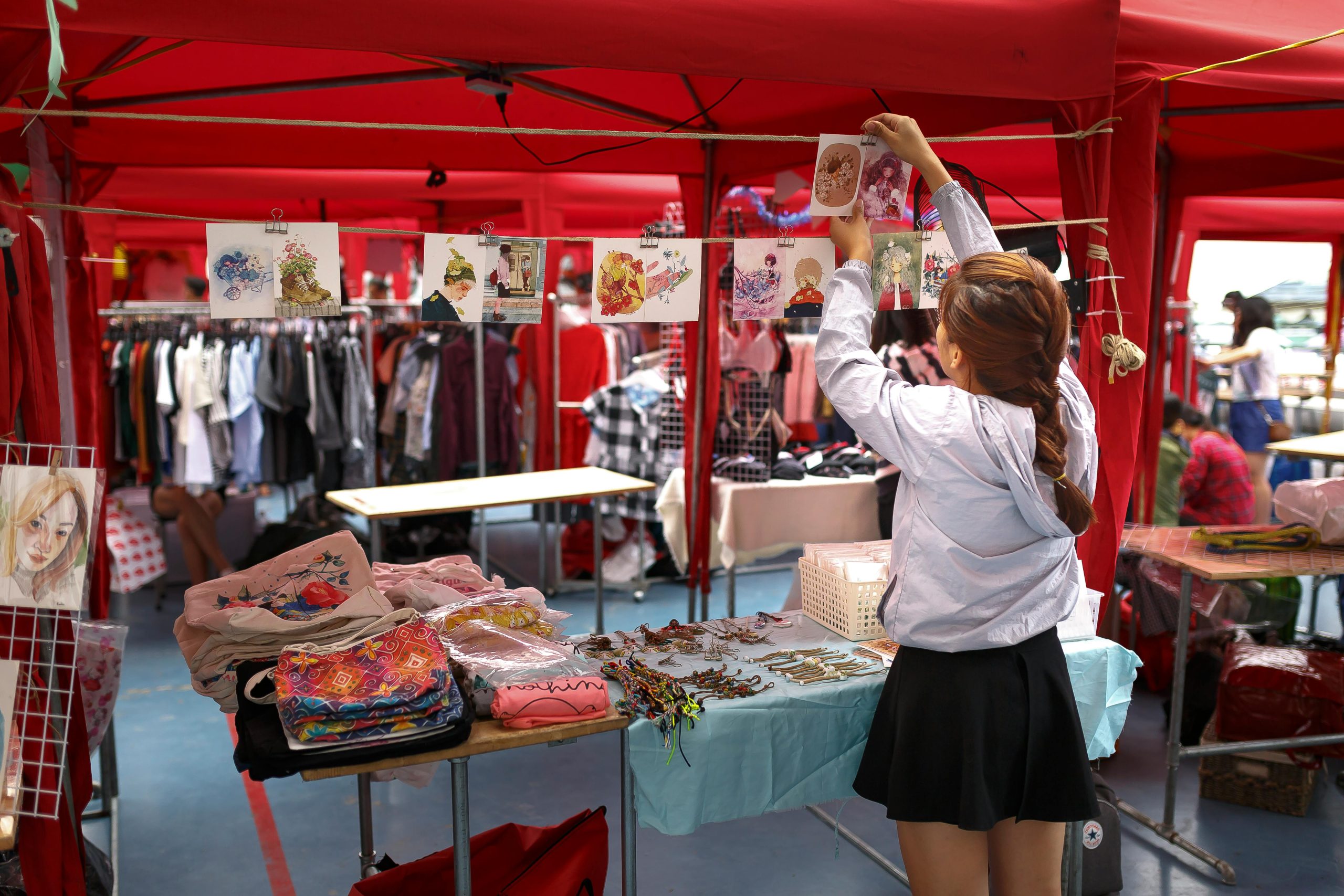
Understanding the Challenges Facing Independent Retail Stores and Strategies for Sustainability
Running a brick-and-mortar retail store, whether it’s a café, bookstore, or restaurant, presents a unique set of challenges in today’s competitive market. Many small, independent businesses find themselves struggling to stay afloat, often leading to closures that leave communities without their beloved local establishments.
The Landscape of Independent Retail
The retail environment has become increasingly competitive, with high street shops facing mounting pressure from various fronts. Key challenges include:
- Elevated Rental Costs: Prime retail locations come with exorbitant rents that can quickly erode profit margins.
- Intense Competition: Large chains and online retailers often benefit from economies of scale, making it difficult for smaller operators to compete on price and variety.
- Significant Capital Requirements: Starting and maintaining a physical store demands considerable upfront investments in inventory, staffing, and store fit-out costs.
Strategies for Ensuring Longevity and Success
While the hurdles are formidable, they are not insurmountable. Small and upcoming businesses can adopt various strategies to bolster resilience and carve out a sustainable niche in the market:
-
Develop a Compelling Unique Selling Proposition (USP): Clearly define what sets your store apartΓÇöbe it specialized products, exceptional customer service, or an authentic brand story. A strong USP can attract loyal customers and generate word-of-mouth referrals.
-
Leverage the Power of Community Engagement: Building relationships with local residents and other businesses fosters a sense of community that encourages repeat visits and local support during challenging times.
-
Optimize Operational Efficiency: Regularly review and streamline operations to reduce costs without compromising quality. This can involve inventory management, staff scheduling, and energy-efficient store practices.
-
Diversify Revenue Streams: Explore additional income channels such as hosting workshops, selling online through an e-commerce platform, or offering catering and delivery servicesΓÇöespecially relevant for food and beverage businesses.
-
Embrace Digital Presence and Marketing: Leverage social media and local SEO strategies to increase visibility. An active online presence can drive foot traffic and enhance brand recognition.
-
Negotiate Favorable Lease Terms: Where possible, negotiate lease agreements that include rent review clauses, rent-free periods, or flexible leasing options that adapt as your business grows.
-
Focus on Customer Experience: Creating a memorable shopping or dining experience encourages repeat visits and positive reviews, which are invaluable marketing tools.
Conclusion
The closure of independent retail stores on high streets










2 Comments
This post highlights crucial factors contributing to the decline of independent retail stores and offers practical strategies to enhance their resilience. Beyond the points mentioned, IΓÇÖd add that embracing innovation through technology can further empower small businesses. For example, integrating personalized customer data analytics can help tailor marketing efforts and improve inventory management. Additionally, adopting a flexible omnichannel approachΓÇöcombining both brick-and-mortar and online presenceΓÇöcan expand reach beyond local foot traffic, especially as consumer behaviors shift towards online shopping. Community initiatives, such as partnering with local artisans or hosting events, not only foster loyalty but also differentiate the storeΓÇÖs identity in a crowded marketplace. Ultimately, adaptability and leveraging unique local strengths are key to thriving amid challenges.
This post provides a comprehensive overview of the challenges faced by independent retail stores and practical strategies to overcome them. I particularly appreciate the emphasis on differentiation through a strong USP and community engagement—both critical in building customer loyalty in a competitive landscape.
In addition, I’d add that embracing digital innovation can be pivotal; not only does a robust online presence expand your reach beyond physical storefront limits, but integrating online and offline experiences (like click-and-collect or virtual events) can create a seamless customer journey.
Furthermore, exploring collaborations with local artisans or complementary businesses can foster a mutually supportive ecosystem, reducing costs and increasing community relevance.
Ultimately, adaptability, authentic storytelling, and cultivating a vibrant community presence are key to ensuring long-term sustainability for independent shops. Small businesses that innovate and connect deeply with their local area stand a greater chance of thriving amidst larger competitors.