
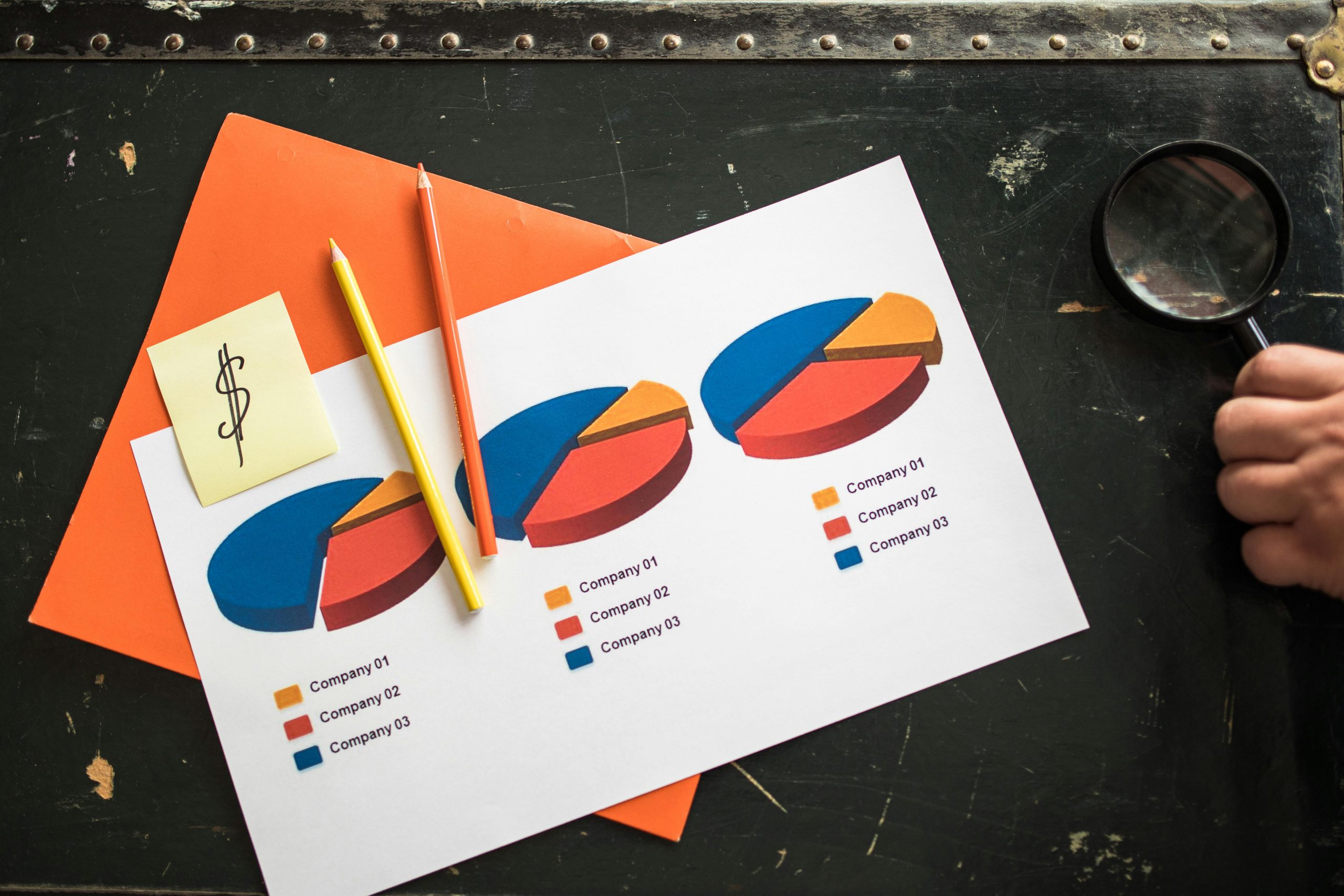
Unlocking Hidden Revenue: The Power of Timing in Customer Communications
In the competitive landscape of UK business, many companies overlook a simple yet highly effective sales strategy: understanding the optimal timing to reconnect with customers. While it may sound trivial, leveraging customer purchase history to identify when they are ready to buy again can generate significant revenue—often worth tens of thousands of pounds.
A Case Study in Retail and Hospitality Equipment
Consider a wholesale supplier of catering equipment based in Liverpool. Operating in a challenging environment where restaurant owners are hesitant to invest, the company faced the common dilemma: how to boost sales when demand is low.
The breakthrough came from analyzing customer purchase cycles. Typically, clients replace substantial equipment every 3 to 5 years. By examining their records, the business identified 180 customers who last purchased major items four to five years ago, indicating they were likely due for upgrades.
Implementing a Targeted Outreach
The company sent a simple, personalized email:
> “Hi, I noticed it’s been about four years since you upgraded your equipment. Would you be open to discussing your current setup?”
The results were compelling: a 30% open rate, 12% engagement, and ultimately, £65,000 in sales within just four weeks. The key factor was timing—reaching out when customers are genuinely ready to buy.
The Takeaway: Customer Data is Your Most Valuable Asset
Many businesses treat customer data as outdated or irrelevant, neglecting its potential to inform sales activity. However, purchase history provides clear insights into when clients are most likely to make repeat purchases. Recognizing these patterns enables you to initiate contact at precisely the right moment, transforming dormant leads into profitable sales.
Practical Steps for Your Business
1. **Audit Your Customer Data**: Identify clients whose last purchase was several years ago.
2. **Determine Purchase Cycles**: Understand the typical replacement timeline for your products or services.
3. **Craft Personalized Communications**: Reach out with friendly, relevant messages acknowledging their previous purchase.
4. **Monitor and Refine**: Track engagement rates and adjust your strategy accordingly.
In essence, the secret to unlocking additional revenue lies not in complicated marketing funnels or expensive campaigns, but in paying close attention to when your customers are ready to buy again. Implementing this simple, strategic approach could be the one-minute sales fix your business needs to reach £10,000—or even more.
Start leveraging your customer data today and see the difference it can make.









2 Comments
This post perfectly highlights the often-underestimated power of timing and data-driven insights in sales strategy. Beyond simply identifying when customers are due for a reorder, thereΓÇÖs a significant opportunity to leverage predictive analytics and customer behavior modeling to proactively anticipate purchase patterns. For example, integrating CRM systems with purchase history data can enable businesses to automate personalized outreach at optimal moments, significantly enhancing conversion rates.
Furthermore, combining timing with contextual relevanceΓÇösuch as offering tailored upgrade options or complementary productsΓÇöcan deepen customer relationships and increase lifetime value. ItΓÇÖs also worth noting that in addition to historical purchase cycles, monitoring external factors like seasonal trends, industry shifts, or economic conditions can further refine the timing strategy.
Ultimately, this approach underscores the importance of cultivating a customer-centric mindset that values ongoing engagement, strategic timing, and personalized communication. When executed thoughtfully, it not only boosts immediate revenue but also fosters long-term loyalty.
This post beautifully highlights the often overlooked power of timing in customer re-engagement strategies. Leveraging purchase cycle data not only maximizes revenue potential but also fosters a more personalized and customer-centric approach. It’s a reminder that sometimes, the simplest tactics—like targeted, well-timed communication—can yield substantial returns without the need for complex funnels or hefty ad spend.
For businesses looking to implement this, I recommend integrating customer purchase history into your CRM and setting up automated alerts or sequences that trigger outreach at key intervals. Additionally, testing different messaging angles based on purchase history can further enhance engagement rates.
Ultimately, this approach underscores the importance of data-driven decision-making and building trust through relevant, timely interactions. Thanks for sharing such valuable insights—these are the kind of strategies that can truly transform sales performance with minimal effort.