
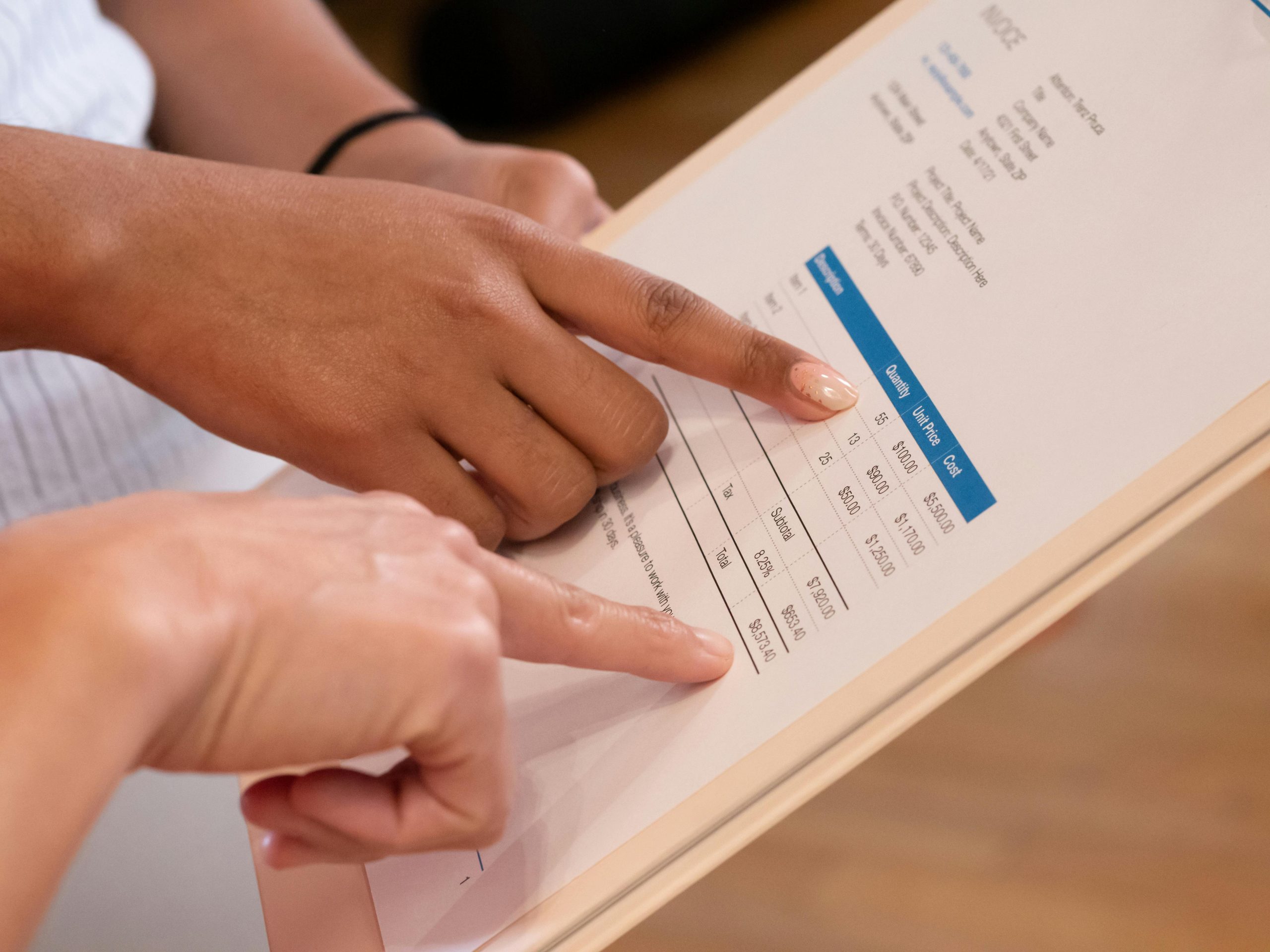
How to Effectively Handle Unpaid Invoices for Large Contracts: Strategies for Business Owners
Managing client payments is a crucial aspect of maintaining healthy cash flow and ensuring business sustainability. Unfortunately, overdue payments can pose significant challenges, especially when dealing with substantial invoices. If you find yourself in a situation where a client has not settled an invoice╬ô├ç├╢such as a contract exceeding Γö¼├║30,000╬ô├ç├╢it’s important to approach the matter professionally and strategically.
Understanding the Situation
Imagine a scenario where a business has completed a significant project, with the contract value surpassing £30,000. Despite delivering on their commitments, the client has failed to pay the outstanding invoice, which dates back to work carried out in December and January. This situation not only affects cash flow but can also lead to a sense of frustration and concern about recovering the owed funds.
Initial Steps to Address Unpaid Invoices
-
Open a Line of Communication
Begin with a courteous yet firm reminder. Sometimes, overdue payments are due to oversight or administrative delays. Contact the client via email or phone, referencing the invoice number, date, and amount owed. Clarify any issues and confirm that the invoice has been received and understood. -
Document All Correspondence
Maintain a written record of all communications related to the overdue invoice. This documentation will be critical if further action becomes necessary. -
Offer Payment Options or Solutions
In some cases, clients may be facing cash flow difficulties. Consider proposing payment plans or extensions if appropriate, which can foster goodwill and expedite settlement.
When to Escalate the Matter
If initial communication attempts are unsuccessful, and the client continues to delay payment, it may be time to escalate the situation:
-
Send a Formal Debt Reminder or Letter of Demand
A professionally drafted letter outlining the amount owed, the deadline for payment, and the consequences of non-compliance can prompt action. This letter should be clear, concise, and firm. -
Seek Mediation or Alternative Dispute Resolution
Before pursuing legal action, consider engaging a mediator to facilitate an agreement. This approach can be more cost-effective and quicker than legal proceedings. -
Legal Action: Small Claims Court or Debt Recovery
If all else fails, the next step may involve legal avenues such as small claims court. While this process can be time-consuming, it is an effective method to recover substantial sums, especially for large contracts.
Proactive Measures for Future Contracts











2 Comments
This post offers a comprehensive approach to handling overdue invoices for large contracts, which is invaluable for maintaining financial stability. From my experience, integrating proactive credit management practices can further mitigate such risks. For example, conducting thorough credit checks before entering into significant agreements can help assess the client’s financial reliability. Additionally, including clear payment terms and milestones within contracts╬ô├ç├╢such as partial payments upon project phases╬ô├ç├╢can improve cash flow predictability. Leveraging technology, like automated invoicing systems with reminders, can also ensure timely follow-ups. Ultimately, fostering open communication and building strong client relationships often lead to mutual understanding, making collections smoother. Combining strategic upfront measures with effective debt recovery processes creates a resilient financial management framework essential for business growth.
Thank you for sharing these comprehensive strategies. One additional point to consider is the importance of upfront clarity in contract terms. Including clear payment schedules, late payment penalties, and a well-defined dispute resolution process in the initial contract can prevent many issues down the line. Implementing such measures not only sets expectations but also provides legal backing should disputes arise. Additionally, leveraging retention clauses—where a percentage of payment is withheld until project completion or client approval—can encourage timely payment. Ultimately, combining proactive contract management with effective communication and documentation greatly enhances your ability to handle overdue invoices professionally and efficiently.