
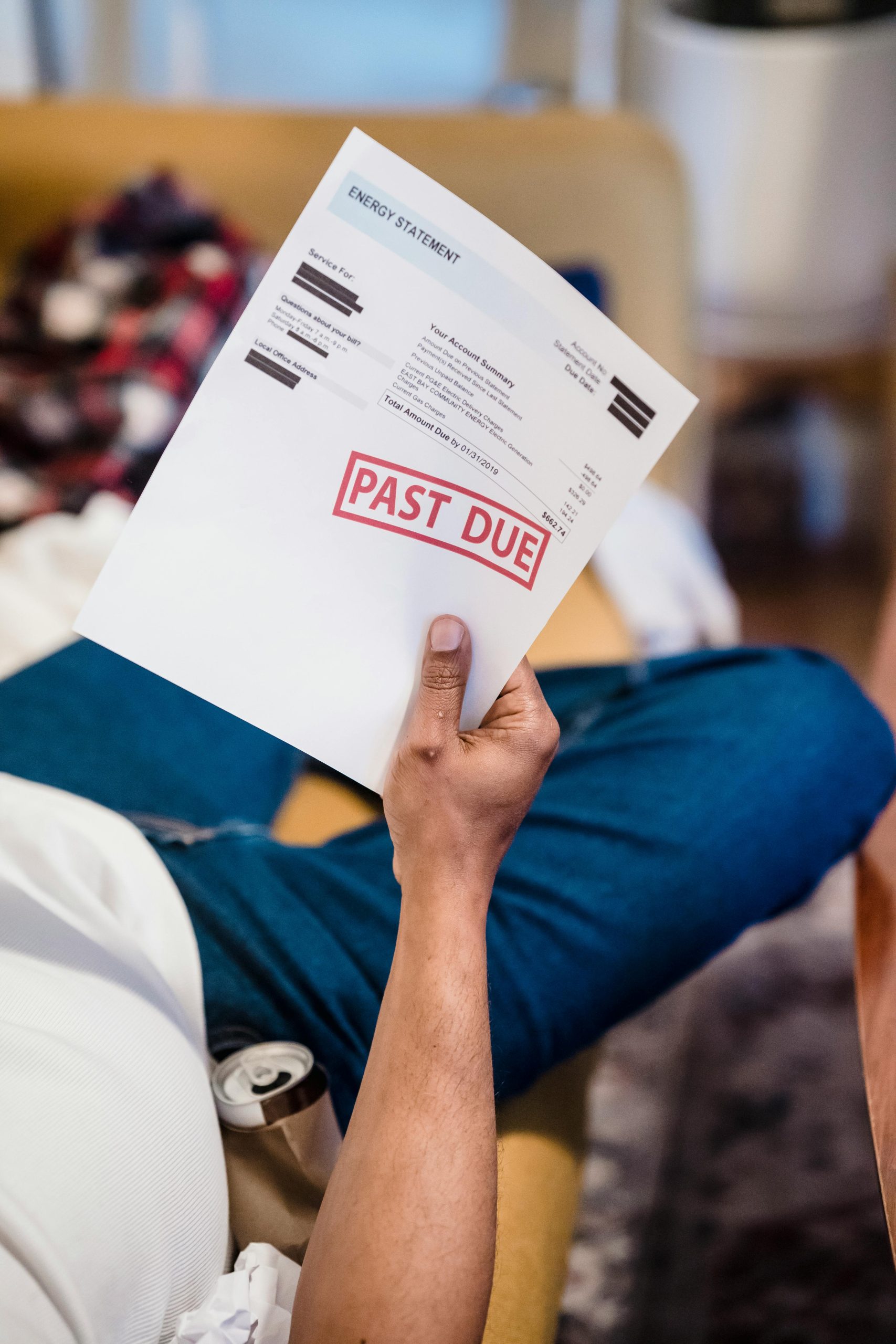
Managing Recurring Payment Delays: Strategies for Ensuring Timely Client Invoices
In the realm of freelance work and service-based businesses, maintaining a steady cash flow is paramount. A common challenge many entrepreneurs face is delayed invoice payments from clients. Recently, I encountered a situation where a longstanding client has consistently paid their invoices well past the due date, despite automated reminders. Over the past two years, theyΓÇÖve been billed quarterly but have repeatedly paid approximately 40 to 50 days after receiving their invoice. This pattern has begun to impact our financial planning and operational stability.
Understanding the Impact of Payment Delays
Delayed payments can create significant strain on a businessΓÇÖs cash flow, making it difficult to meet ongoing expenses, invest in growth, or plan ahead. In my experience, even reliable clients can sometimes fall behind due to internal processes or unforeseen circumstances. However, persistent delays, especially over an extended period, necessitate a proactive approach to resolution.
Strategies to Address Recurring Invoice Delays
-
Enhance Communication and Clarify Payment Terms
ItΓÇÖs beneficial to revisit the initial agreement and ensure that payment terms are clearly outlined and mutually understood. Sometimes, emphasizing the due date and consequences of delayed payment can prompt more timely remittance. -
Implement Clear Payment Policies and Penalties
Introducing late payment fees or interest charges for overdue invoices can serve as an incentive for clients to prioritize payments. Ensure these policies are communicated upfront and reflected in the contract. -
Offer Flexible Payment Options
Occasionally, clients face cash flow issues that hinder prompt payment. Providing alternative payment methods or installment plans might facilitate smoother transactions. -
Automate and Follow Up Strategically
While your current system includes automatic reminders, consider integrating more personalized follow-up communications. A direct conversation or email to understand any challenges they face might reveal underlying issues and foster goodwill. -
Negotiate and Build Stronger Relationships
Establishing a rapport and open dialogue can lead to mutually beneficial solutions. If late payments are a recurring problem, negotiate revised terms that are more manageable for both parties. -
Consider Adjusting Billing Frequency
If quarterly billing consistently leads to delays, exploring monthly invoicing or milestone-based payments may help distribute the financial burden more evenly and encourage timeliness. -
Evaluate the Cost-Benefit of Continuing the Relationship
In cases where repeated delays persist despite proactive measures, it may be necessary to reassess ongoing engagements and consider











2 Comments
This post provides a comprehensive approach to managing chronic late payments, which is a common challenge in many service industries. From my perspective, integrating technology can further enhance these strategies. For example, adopting early payment discounts or dynamic invoicing tools that send reminders via multiple channelsΓÇöSMS, email, or even direct messagingΓÇöcan improve promptness. Additionally, establishing a clear escalation process, such as flagging overdue accounts for review or involving a dedicated collections step when delays persist, can help maintain cash flow without damaging client relationships.
Moreover, fostering open communication about the impact of delays on your business emphasizes the importance of timely payments and can motivate clients to prioritize your invoices. Sometimes, understanding the reason behind repeated delaysΓÇöbe it internal cash flow issues or misaligned expectationsΓÇöcan lead to more tailored solutions, such as flexible payment schedules or partial payments.
Overall, combining clear contractual terms with proactive, personalized engagement and leveraging automation can create a robust framework to minimize payment delays and strengthen client relations.
Thank you for sharing such a comprehensive overview of managing recurring payment delays. Addressing late payments is indeed a critical aspect of maintaining healthy cash flow and operational stability. I particularly appreciate the emphasis on the importance of clear communication and mutually understood payment terms. Sometimes, delayed payments stem from misunderstandings rather than unwillingness, so fostering open dialogue can uncover underlying issues and build stronger client relationships.
Implementing flexible payment options or milestone-based billing can also serve as effective strategies to accommodate clients facing cash flow challenges, potentially reducing delays while preserving the relationship. Additionally, considering the cost-benefit analysis of continuing a relationship with chronically late payers ensures that the business remains sustainable. Overall, proactive, tailored approaches combined with transparent policies tend to yield the best outcomes in managing such challenges. Thanks again for sharing these valuable insights!