
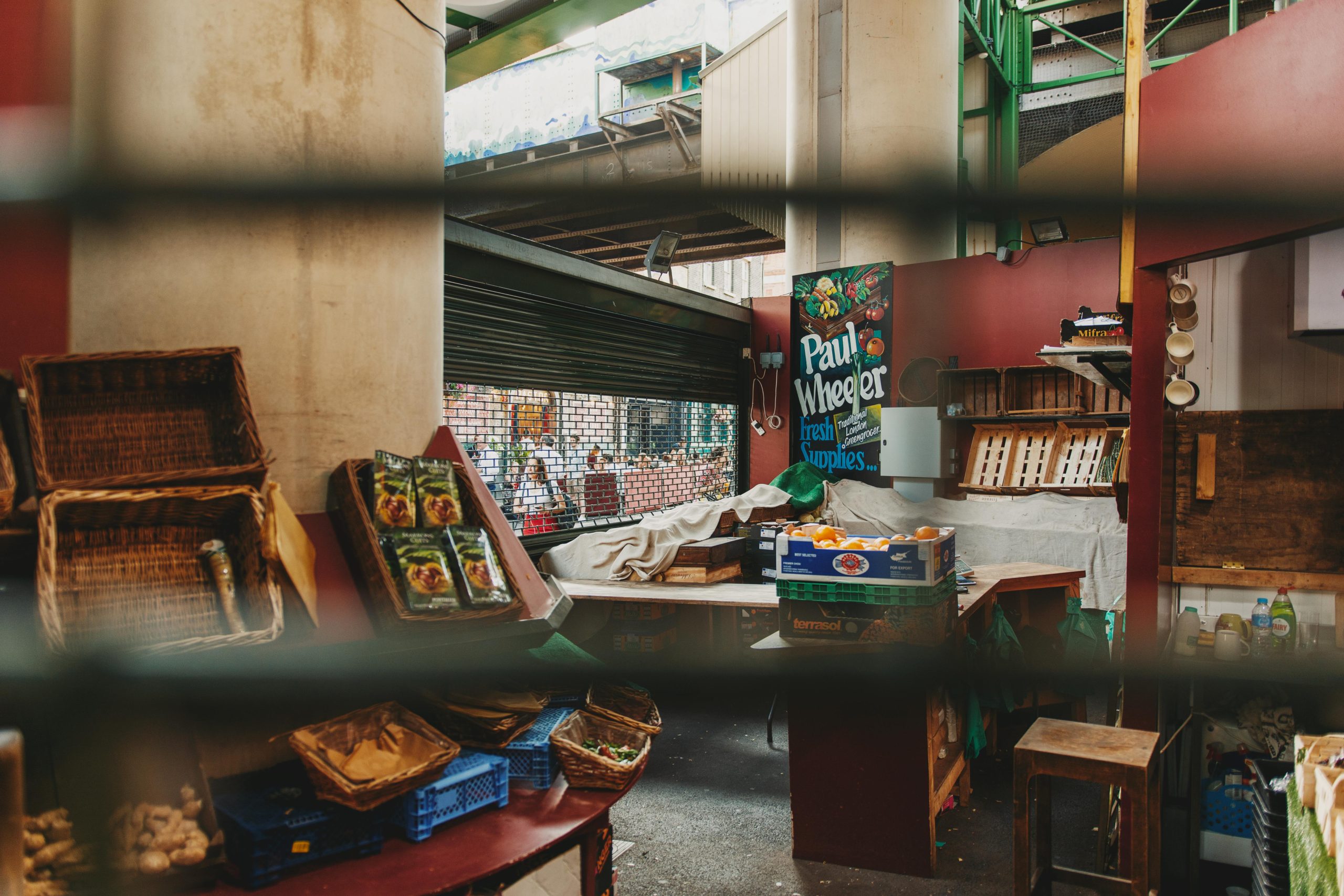
Understanding the Challenges of Supplying Restaurants with Fresh Produce: A Guide to Overcoming Common Obstacles
Starting a fresh produce supply business for the hospitality industry can be a rewarding venture, but it also comes with its unique set of challenges. Many entrepreneurs, especially those just beginning, face hurdles such as establishing reliable supplier relationships, breaking into a competitive market, and gaining trust from restaurant buyers. If you find yourself struggling with these issues, you’re not alone. Here’s a comprehensive guide to help you navigate the process and improve your chances of success.
- Building Trust and Credibility with Potential Clients
One of the primary hurdles in the produce supply chain is convincing restaurants to consider a new supplier. To do this:
- Professional Presentation: Ensure your branding, packaging, and marketing materials are professional, clean, and reflect the quality of your produce. High-quality photos and well-designed labels can make a significant difference.
- Samples and Demonstrations: Offer free, high-quality samples to showcase your produceΓÇÖs freshness and quality. Personal delivery can reinforce your commitment and build rapport.
-
Clear Communication: Be transparent about your sourcing, prices, and delivery processes. Providing detailed product information helps build confidence.
-
Developing Effective Sales and Outreach Strategies
Persistence and approach are key to opening doors:
- Targeted Outreach: Cold calling and emailing are common strategies, but consider researching and targeting specific restaurants that value local, fresh, or specialty produce. Personalized messages tend to be more effective than generic ones.
- In-Person Visits: Visiting restaurants in person allows you to build relationships, address questions directly, and leave a lasting impression. Be respectful of their time and prepare a concise pitch.
-
Follow-Ups: Consistent and polite follow-up communications show your dedication, but recognize that some may remain non-responsive due to their existing supplier relationships.
-
Understanding the Market and Competitive Landscape
Many restaurants already have established supply chains:
- Assess Market Needs: Understand what type of produce they need, their quality expectations, and price points.
-
Differentiate Your Offering: Highlight what makes your service or produce uniqueΓÇöbe it organic, locally sourced, or sustainably grown.
-
Overcoming Common Rejection Reasons
Feedback like “We are happy with our supplier” is typical. To address this:
- Offer Value Adds: Can you provide special deals, flexible delivery times, or custom orders?
- Build Relationships: Sometimes, cultivating trust over time leads to future opportunities, even if initial responses











2 Comments
This is a comprehensive overview of some of the key strategies for entering the restaurant produce supply market. In addition to what you’ve outlined, I would emphasize the importance of leveraging digital tools and platforms to streamline communications and logistics. For instance, using online ordering systems or supply management software can enhance efficiency and transparency, making it easier for restaurants to integrate your service into their existing operations.
Furthermore, establishing partnerships with local farmers or cooperatives can not only ensure a consistent supply of fresh, high-quality produce but also serve as a unique selling pointΓÇöhighlighting your commitment to sustainability and community support. Building a brand that emphasizes provenance and ethical sourcing can resonate strongly with restaurants aiming to align with consumer values around local and organic foods.
Finally, patience and persistence are critical. Cultivating trust in a highly relationship-driven industry takes time, but consistent quality, transparent communication, and flexible offerings can gradually build a loyal customer base. Don’t hesitate to seek feedback directly from your target clients to refine your approach╬ô├ç├╢their insights can be invaluable for differentiation and growth.
Thank you for sharing this comprehensive guide! Building a successful produce supply business truly hinges on establishing trust and showing value to your clients. I’d like to emphasize the importance of leveraging local networks and participating in community events—such as farmers’ markets or food expos—to increase your visibility and credibility. Additionally, creating a feedback loop with restaurant owners can provide valuable insights into their evolving needs and preferences, allowing you to tailor your offerings and deepen relationships over time. Remember, persistence alongside consistency in quality and communication often pays off in this industry. Wishing you the best in overcoming these challenges!