
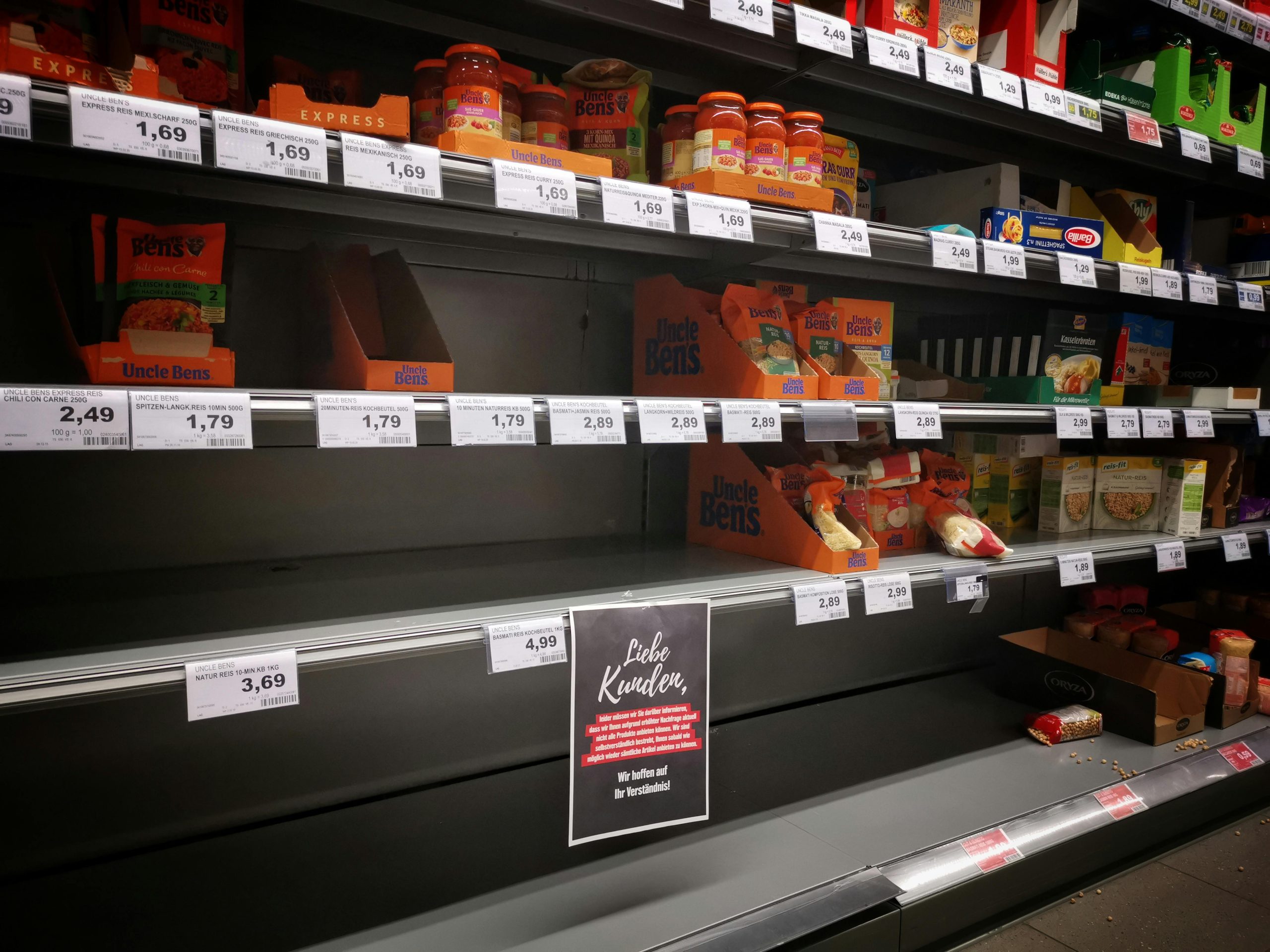
Understanding Pricing Strategies in Response to Demand Surges: Why Some Firms Opt for Price Increases Over Quality Improvements
In todayΓÇÖs dynamic marketplace, a notable pattern emerges during periods of heightened demand: many companies choose to raise their prices rather than enhance the quality of their products or offer more competitive pricing. This approach often puzzles consumers and industry observers alikeΓÇöparticularly when the quality of the goods remains subpar or artificially inflated.
The Rationale Behind Price Hikes During High Demand
Companies facing a surge in demand frequently resort to increasing prices as a quick, straightforward response. This strategy can maximize short-term profits without necessitating significant investments in product development, supply chain improvements, or customer experience enhancements. However, this approach raises the question: why donΓÇÖt these firms leverage the opportunity to improve their offerings or lower prices to stand out from competitors, especially when such moves could foster greater customer loyalty and long-term growth?
Why Not Focus on Quality or Competitive Pricing?
Investing in product quality or reducing prices can indeed be more challenging and resource-intensive. It requires operational improvements, innovation, and a willingness to sacrifice short-term margins. Some businesses, however, prioritize exploiting demand fluctuations for immediate financial gains rather than striving for sustainable value addition.
Moreover, in markets where demand escalates rapidly, firms may anticipate that consumers will accept higher prices due to hype, branding, or perceived exclusivity. This is akin to luxury or artisanal productsΓÇölike certain chocolatesΓÇöbeing sold at premium prices regardless of the actual quality. When products are heavily marketed or overhyped, consumers might overlook value considerations altogether, opting to chase trends or status symbols.
Market Dynamics and Consumer Perception
ItΓÇÖs crucial to recognize that consumer perception plays a significant role. When a product garners enough buzzΓÇöthrough advertising, social media, or influencer endorsementsΓÇödemand can skyrocket regardless of the underlying quality or value. In such scenarios, firms may choose to capitalize on this hype rather than invest in genuine improvements.
Conclusion
While it might seem more rational for companies to enhance their goods or reduce prices during demand surges, various strategic, operational, and psychological factors influence their decisions. Understanding these dynamics can shed light on why certain firms prefer short-term profit maximization over long-term value creation. As consumers, being aware of these tactics can empower us to make more informed purchasing decisions, emphasizing value over hype.











3 Comments
This analysis highlights a critical aspect of market behavior that often frustrates consumers╬ô├ç├╢prioritizing short-term profits through price increases and marketing hype over genuine value creation. It’s important to recognize that while such strategies can boost immediate margins, they risk eroding long-term trust and brand loyalty if consumers realize the underlying product doesn’t meet expectations.
From a strategic standpoint, consumers can benefit from fostering demand for transparency and quality by championing brands that prioritize authenticity and value. Additionally, as the marketplace becomes increasingly saturated, differentiating through sustained product improvement and ethical practices can not only enhance consumer satisfaction but also serve as a competitive advantage. Ultimately, awareness and consumer advocacy can gradually shift market dynamics toward more sustainable, quality-driven growth.
You’ve highlighted a key dynamic in market behavior: the divergence between short-term profit strategies and long-term value creation. It’s worth noting that this approach is often driven by several intertwined factors. For one, firms operating in highly competitive or hype-driven sectors may perceive that leveraging perceived exclusivity or trendiness╬ô├ç├╢rather than investing in quality╬ô├ç├╢can yield more immediate returns. This aligns with the concept of “short-termism” prevalent in corporate decision-making, where maximizing quarterly earnings can outweigh strategic investments in product innovation or customer loyalty.
From an economic perspective, price elasticity plays a crucial role. During demand surges driven by hype, consumers’ willingness to pay more╬ô├ç├╢even for subpar quality╬ô├ç├╢can be artificially inflated. This creates a lucrative window for firms to capitalize on price inelasticity without needing to improve offerings.
However, this strategy carries risks. Over-reliance on hype and artificial value can erode brand trust over time, especially if consumer expectations aren’t met or if competitors choose to invest in genuine quality enhancements. Long-term sustainability may thus require balancing short-term gains with authentic value propositions.
Finally, from a consumer standpoint, increasing awareness and demand for transparent and ethically produced goods can shift market dynamics. As consumers become more savvy and discerning, firms that invest in quality and genuine brand integrity may secure more stable, loyal customer bases despite initial pricing pressures.
In sum, understanding these strategic choices can inform both business practices and consumer behaviors, fostering markets where value and authenticity are prioritized alongside profitability.
Great insights! I think it’s important to also consider how market segmentation influences these strategies. Brands that position themselves as luxury or exclusive often leverage hype and artificial quality to create a sense of scarcity and desirability, allowing them to command higher prices even if the actual product quality doesn’t match that perception. Additionally, the rise of social media and influencer culture amplifies this effect, quickly boosting demand based on perception rather than substance.
For consumers, this underscores the importance of critical evaluation—looking beyond marketing hype to assess value and actual quality. From a broader perspective, encouraging transparency and accountability in how products are marketed could help shift the focus toward genuine quality improvements, fostering long-term trust and loyalty. Ultimately, a more informed consumer base can incentivize companies to prioritize authentic value over superficial hype.