
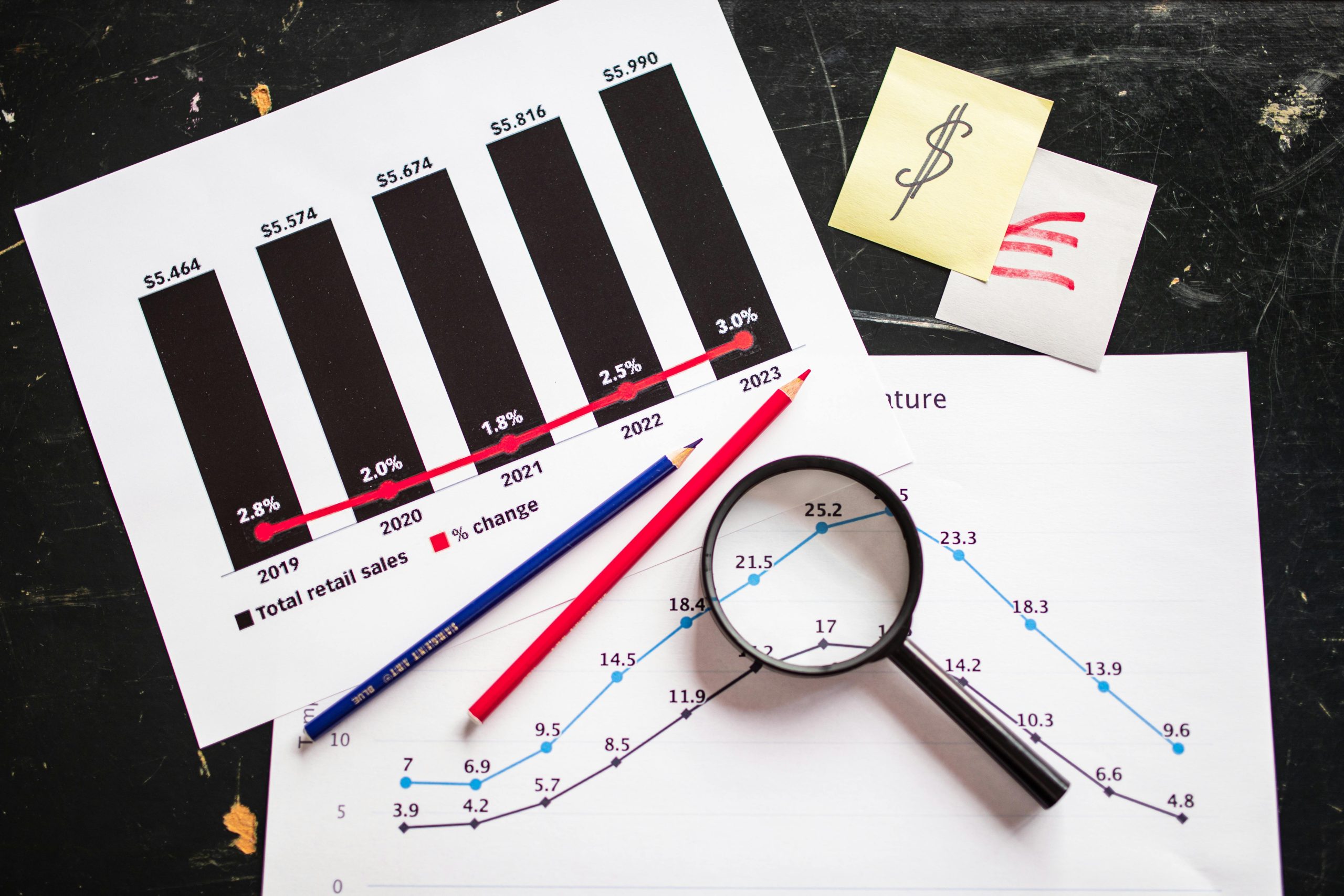
Understanding Financial Insights for Your Business: A Brewpub’s Experience
In today’s fast-paced business world, having a clear grasp of your financial situation is vital. But how do small business owners collect and analyze financial information effectively?
Take, for instance, my brother-in-law, who operates a cozy brewpub. He and his partners invest more than 20 hours every month wrestling with QuickBooks and spreadsheets to decipher their financial landscape. Their primary concerns revolve around essential questions such as, “Which menu items are the most popular?” “What profit margins are we achieving on various beers?” and “Should we pursue a bigger client for payment to prevent cash flow issues next month?”
What struck me was the limited role his accountant plays in this process. For approximately $10,000 annually, you’d expect more than just the basic tax filings. The absence of proactive financial analysis made me wonder about how other businesses tackle similar challenges.
So, how do you manage your financial insights? Is there someone on your team providing support in this area? Does your accountant offer assistance beyond just annual tax returns? I’m particularly curious about more granular data, like the profitability of different offerings or the month-to-month shifts in cash flow.
Or perhaps such detailed analysis is not a priority for many businesses? IΓÇÖd love to hear your thoughts and experiences. How do you navigate the financial intricacies of your enterprise?











3 Comments
Great post! It’s clear that for small businesses, having access to detailed and actionable financial insights can make a real difference in strategic decision-making. Relying solely on traditional annual tax filings or basic bookkeeping can leave gaps in understanding cash flow dynamics, profit margins, and product performance.
One approach worth exploring is integrating dedicated financial management tools like cloud-based analytics platforms (e.g., Fathom, Spotlight Reporting) that connect directly with accounting software like QuickBooks. These tools can generate real-time dashboards, offering granular insights into profitability by product line, customer segments, or time periods ΓÇö empowering business owners toPivot quickly and make informed decisions.
Additionally, engaging a financial advisor or part-time CFO with a focus on data analysis can help bridge the gap between bookkeeping and proactive financial planning. Regular financial reviews that go beyond tax season can uncover trends early, helping to optimize menu offerings or manage cash flow more effectively.
Ultimately, leveraging technology and strategic partnerships can transform raw financial data into a competitive advantage, especially for small businesses aiming to grow sustainably. Thanks for raising such an important topic!
This is a great point highlighting the importance of proactive financial management beyond basic bookkeeping. Relying solely on traditional accountants for annual filings can leave businesses in the dark regarding daily operational insights. In today’s landscape, leveraging integrated financial analytics tools╬ô├ç├╢such as POS systems with built-in reporting, or specialized software like ProfitWell or FareHarbor╬ô├ç├╢can transform raw data into actionable insights. These platforms can help small businesses, like brewpubs, track item-level profitability, sales trends, and cash flow patterns in real time.
Additionally, engaging a financial analyst or implementing management dashboards can bridge the gap between bookkeeping and strategic decision-making. ItΓÇÖs about shifting from view-only financial data to a dynamic, decision-enabling process. Investing in these capabilities can lead to more informed menu adjustments, better cash flow planning, and ultimately, increased profit margins.
Do any of you use real-time financial analysis tools, and what impact have they had on your business growth?
This is a great point highlighting the importance of proactive financial analysis beyond just compliance and tax filing. For small businesses like a brewpub, leveraging tools that integrate real-time data—such as POS systems linked directly to financial software—can significantly streamline insights into profitability per menu item, inventory costs, and cash flow trends. Additionally, adopting cloud-based analytics platforms or dashboards can empower owners to monitor key performance indicators daily, rather than relying solely on monthly or quarterly reviews.
Moreover, engaging a financial advisor or part-time CFO with expertise in industry-specific metrics can add strategic value, helping to interpret granular data and identify growth opportunities. The goal is to transform raw financial data into actionable insights, enabling more informed decisions around pricing, promotions, and operational adjustments.
Ultimately, developing a culture of financial literacy and data-driven decision-making can lead to more sustainable growth—especially when combined with the right technology and strategic support. Have you or your brother-in-law considered investing in such tools or consulting services to bridge this gap?