
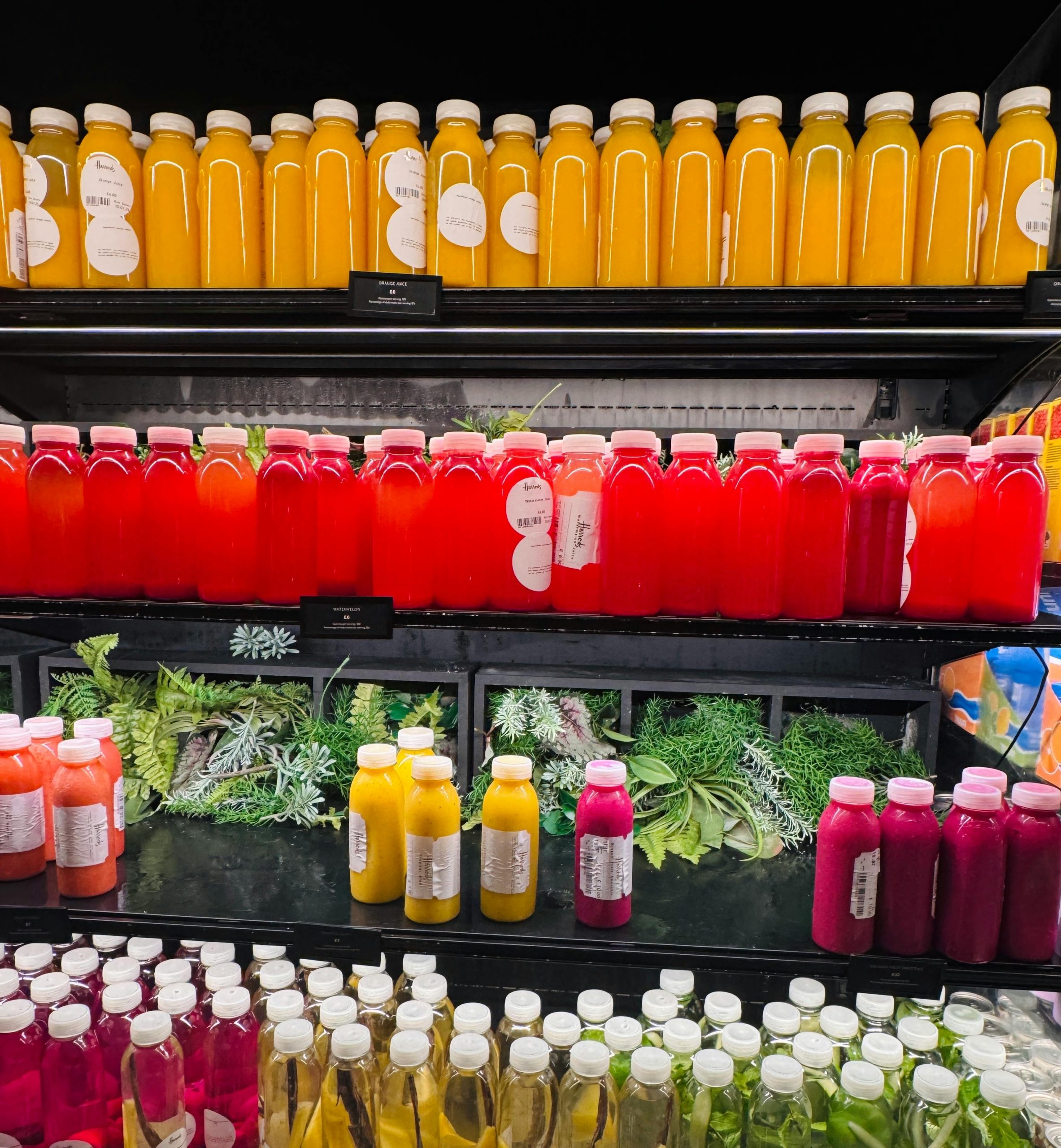
Innovative Business Concept: Establishing a Hydroponic Grocery Store
Introduction
In recent years, the pursuit of sustainable and health-conscious retail solutions has gained significant momentum. One compelling idea gaining traction is launching a grocery store predominantly featuring produce cultivated on-site through hydroponic, aeroponic, and aquaponic systems. This concept aims to blend localized food production with retail, creating a unique shopping experience while promoting environmental sustainability and healthier living.
The Vision
The core vision is to operate a grocery establishment where the vast majorityΓÇöover 90%ΓÇöof all products are grown within the store itself. Having cultivated produce successfully for personal consumption over the past two years, I am confident in the feasibility of in-house production. This approach guarantees ultra-fresh, nutrient-rich products and fosters a stronger connection between consumers and their food.
Key Advantages
-
Unparalleled Freshness and Health Benefits: Offering products harvested daily within the store ensures maximum freshness, flavor, and nutritional value. Such quality can encourage healthier dietary choices among customers.
-
Reduced Supply Chain Footprint: Growing produce onsite minimizes transportation distances, storage needs, and logistical complexities. This reduction not only cuts costs but also lessens the environmental impact associated with food distribution.
-
Environmental Sustainability: These innovative cultivation methods typically require fewer resourcesΓÇöwater, land, and inputsΓÇöcompared to conventional farming. By integrating these systems, the store can serve as a model for environmentally responsible retail practices.
Challenges and Considerations
While the concept offers numerous benefits, several obstacles warrant careful examination:
-
High Initial Investment: Setting up the necessary equipmentΓÇöhydroponic systems, controlled environment chambers, aquaponic setupsΓÇöentails substantial upfront costs. Securing funding and planning for these expenses is critical.
-
Operational Scale and Efficiency: As the operation expands, maintaining consistent supply and managing inventory will become more streamlined, potentially reducing ongoing cultivation costs.
-
Market Competition: Competing with established retail giants like Walmart, which have advanced supply chains and extensive resources, poses a challenge. Differentiating the store through quality, freshness, and sustainability may be key to carving out a niche.
Evaluating Market Viability
To assess the viability of this business model, it’s essential to analyze local market demand, consumer preferences for fresh and sustainably grown produce, and the potential for brand differentiation. Strategic partnerships, targeted marketing, and demonstrating tangible environmental benefits can further position the store as a forward-thinking grocery











2 Comments
This is an inspiring concept that aligns well with the growing consumer demand for transparency, sustainability, and nutrient-rich foods. From a broader perspective, integrating hydroponic systems into a retail setting can significantly reduce the dependency on traditional agricultural supply chains, which are often resource-intensive and vulnerable to disruptions. Moreover, the educational aspect cannot be overstatedΓÇösuch a store can serve as a community hub for environmental awareness, teaching consumers about sustainable practices and healthy eating.
However, to enhance feasibility, exploring modular or scalable hydroponic systems initially might help mitigate high upfront costs while demonstrating proof of concept. Strategic partnerships with local farms or urban agriculture initiatives could also facilitate access to expertise and resources, reducing barriers. Additionally, leveraging technology such as automated environmental controls and IoT sensors can optimize growth conditions, maintaining consistent yields and quality.
Ultimately, success may hinge on creating a compelling narrative around transparency, health, and environmental stewardshipΓÇötransforming the store from just a retail space into an educational experience that builds a loyal customer base. This approach not only differentiates the business but also fosters community support and long-term sustainability.
This is an incredibly compelling and timely concept. Integrating hydroponic, aeroponic, and aquaponic systems directly into a retail environment not only creates a unique shopping experience but also addresses critical issues like food freshness, sustainability, and traceability. To enhance the success of such an endeavor, it might be beneficial to consider educating consumers about the benefits of locally grown, soil-free produce through in-store workshops or digital content. Additionally, exploring partnerships with local schools or community organizations could help raise awareness and foster community support. From a business perspective, innovative marketing strategies emphasizing the environmental impact and health advantages could strengthen brand loyalty and differentiate your store in a competitive market. Overall, this concept holds great promise, and with careful planning around operational efficiency and consumer engagement, it could truly redefine modern grocery shopping.