
Starting an Event Planning Business: Essential Tips for Beginners
Embarking on a new business venture can be both exciting and overwhelming, especially in a field as dynamic and detail-oriented as event planning. If you have a natural talent for organization and enjoy orchestrating memorable occasions, turning that passion into a professional enterprise may be the perfect next step. HereΓÇÖs a comprehensive guide to help you get started on launching your own event planning business, even if you have no prior experience.
-
Assess Your Skills and Passion
Identify what draws you to event planning. Do you excel at coordinating details, managing logistics, or creating memorable themes? A strong passion combined with organizational skills forms a solid foundation for success. -
Gain Relevant Knowledge and Experience
While hands-on experience isnΓÇÖt mandatory initially, consider volunteering to assist with local events or taking relevant courses. This will deepen your understanding of the industry, vendor relationships, and event management best practices. -
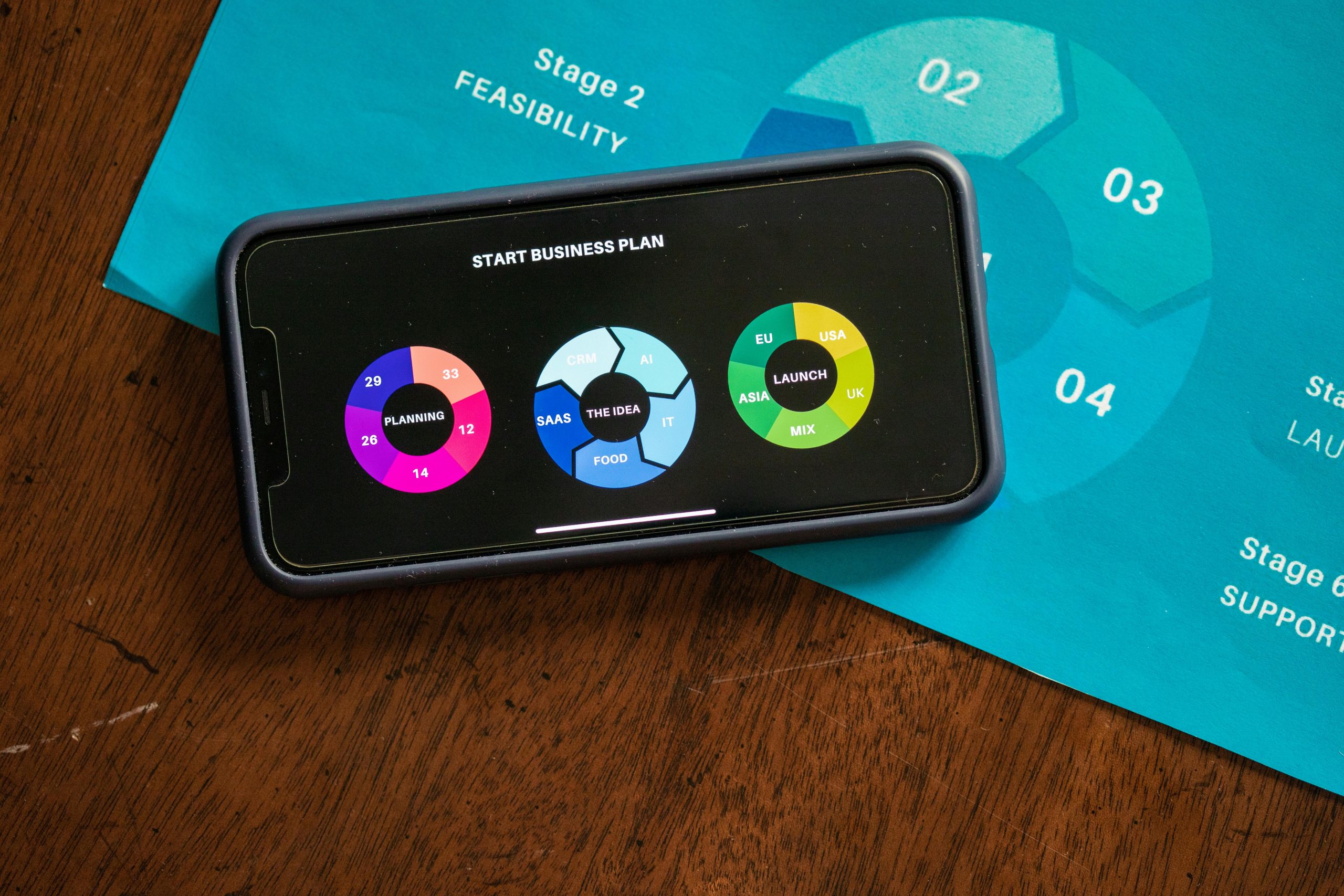
Develop a Business Plan
Outline your business objectives, target market, initial services, and marketing strategies. A clear plan will serve as a roadmap and help you identify potential challenges and opportunities. -
Understand Legal and Administrative Requirements
Register your business according to local regulations and acquire necessary licenses. Consult with legal professionals to draft service contracts, liability waivers, and vendor agreements that protect your interests and clarify client expectations. -
Build Vendor Relationships
Establish connections with reliable vendors such as caterers, florists, DJs, and photographers. Strong relationships and clear communication are vital for delivering seamless events. -
Set Up Your Brand and Online Presence
Create a professional website showcasing your services, portfolio, and testimonials. Utilize social media platforms to reach potential clients and demonstrate your expertise. -
Pricing and Financial Planning
Determine competitive pricing strategies based on your services and market standards. Keep detailed financial records to monitor your businessΓÇÖs health and plan for growth. -
Marketing and Networking
Attend industry events, join professional associations, and leverage word-of-mouth referrals. Building a network will keep your business visible and attract new clients. -
Deliver Exceptional Service
Your reputation hinges on your ability to deliver memorable events and provide excellent customer service. As you build your portfolio, positive reviews and satisfied clients will be your best marketing tools.
Starting an event planning business requires dedication, organization, and a willingness to learn. By leveraging your innate talents, developing industry connections, and adhering to best practices, you can turn your passion into a successful and rewarding career. Remember, every seasoned event planner











3 Comments
Great insights! I would add that leveraging technology can significantly streamline your planning process. Tools like project management apps, budgeting software, and event-specific platforms can help you stay organized and communicate effectively with clients and vendors. Additionally, collecting testimonials and case studies early on can build social proof, making your marketing efforts more impactful. Never underestimate the power of personalized experiencesΓÇögoing above and beyond for your clients will turn them into loyal advocates and generate valuable word-of-mouth referrals. Wishing aspiring planners all the best on this exciting journey!
Thank you for sharing these comprehensive tips on launching an event planning business. IΓÇÖd like to emphasize the importance of adaptability and continuous learning in this dynamic field. The event industry frequently evolves with new trends, technologies, and client expectations. Staying updated through industry publications, attending trade shows, and embracing tools like event management software can significantly streamline operations and enhance client experiences. Additionally, building a strong brand presence through storytellingΓÇösharing behind-the-scenes content and success storiesΓÇöcan foster deeper client engagement and trust. Remember, in a service-driven industry, fostering genuine relationships and consistently exceeding expectations are key to establishing a reputable and scalable business. Your insights lay a solid foundationΓÇösuccess will also depend on your ability to innovate and stay agile amid changing demands.
This is a fantastic and comprehensive overview of starting an event planning business! I’d like to add that developing a niche or specialization can really help differentiate your brand in a competitive market—whether it’s corporate events, weddings, or themed parties, focusing your expertise can make marketing and vendor relationships more targeted and effective. Additionally, investing in project management software or collaboration tools from the start can streamline your workflow, keep track of details, and ensure seamless communication with clients and vendors. Finally, collecting detailed client feedback after each event can provide valuable insights for continuous improvement and help build strong, long-term relationships. Thanks for sharing such practical tips—this will be incredibly helpful for aspiring event planners!