
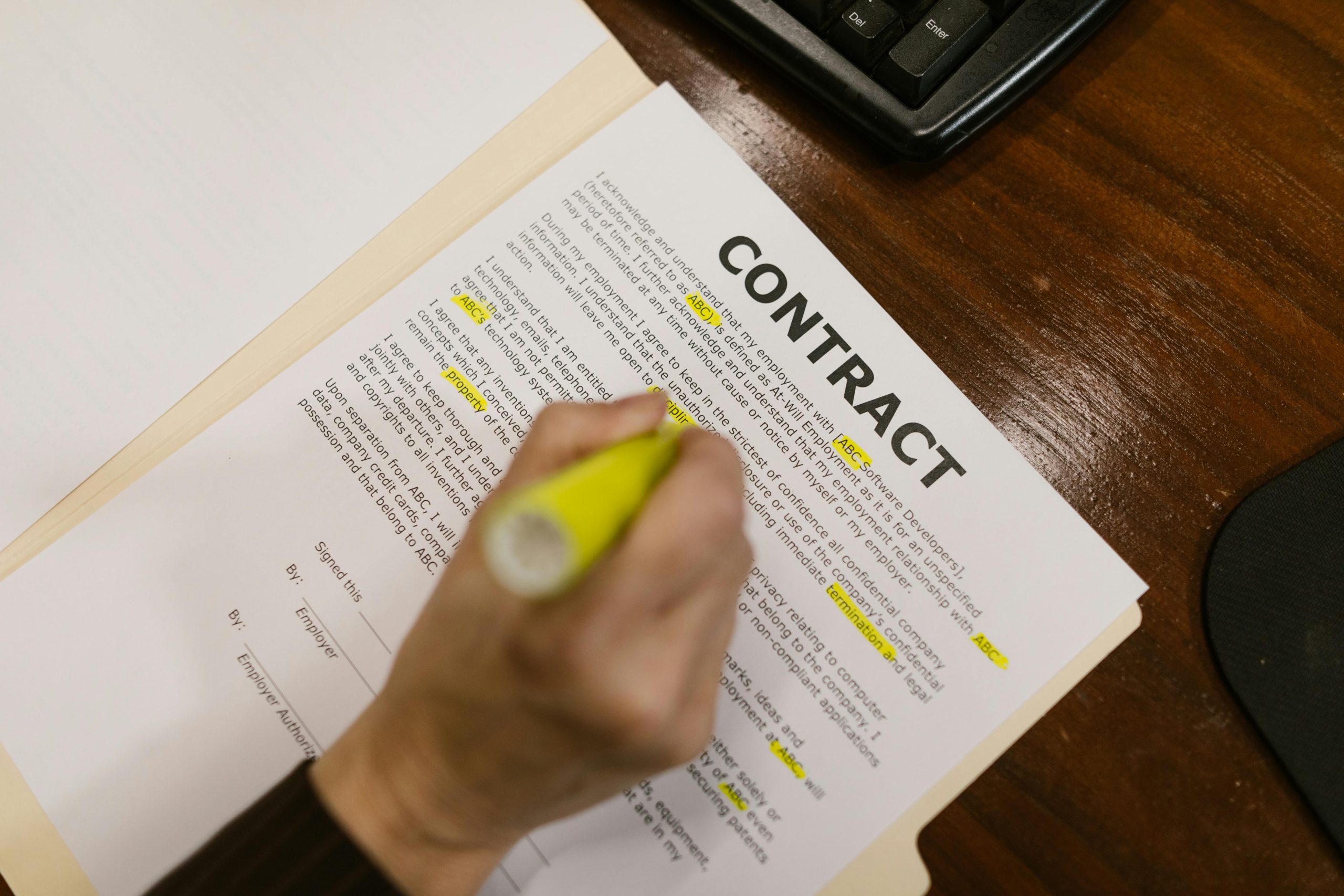
Navigating Business Verification Challenges: A Common Hurdle for Entrepreneurs
As an entrepreneur, one of the most tedious tasks you might encounter is the business verification process. Particularly, if youΓÇÖve recently changed your business name, you may find yourself in a frustrating position, as I have.
In my state, the Secretary of State doesnΓÇÖt issue a new business license when a business name is changed. This creates a unique obstacle during the verification phase with various companies seeking confirmation of your business identity. When the time comes to verify, they typically request your business license. I provide them with my existing license, along with the certificate of name change during the upload process.
However, hereΓÇÖs where the complication arises: the verification system only permits the upload of a single file. While itΓÇÖs common for these companies to request additional information, I find myself caught in a loop when they question the inconsistency between my business license and the new name.
I usually respond with the certificate of name change, clarifying the situation. Unfortunately, the acceptance of this document appears to be hit or miss. Half the time, it resolves the issue, but on the other hand, I still encounter difficulties.
Is there a more effective way to streamline this verification process? Am I potentially overlooking something critical? Such ambiguities in verifying your business credentials can be frustrating, but IΓÇÖm hopeful that by sharing this experience, I can find insight from fellow entrepreneurs who might have encountered similar hurdles.
Navigating these obstacles can be challenging, but together we can uncover solutions and make the business verification process smoother for everyone. If you have any tips or suggestions, IΓÇÖd love to hear your thoughts!











2 Comments
Great insights on the common hurdles faced during business verification! One approach that has worked for some entrepreneurs is to proactively provide a comprehensive documentation package at the outset. This could include not only the certificate of name change and current business license but also a notarized affidavit explaining the discrepancy, especially when official systems haven’t issued a new license after a name change. Additionally, reaching out directly to the verification support teams╬ô├ç├╢explaining your situation and asking if there’s an alternative way to verify your identity╬ô├ç├╢can sometimes expedite the process. Some platforms also accept additional documentation via email or support tickets if you explain the situation upfront. Ultimately, building a clear, organized submission that anticipates potential questions might help reduce repetitive denials and streamline the verification altogether. Has anyone found success with specific documentation formats or alternative communication channels? Sharing those experiences could benefit the whole community navigating similar challenges.
Thank you for sharing this detailed account of the verification challenges many entrepreneurs face during business name changes. This situation underscores a broader issue with the rigidity of verification systems that often lack flexibility in handling updates or multiple documents.
One potential approach to streamline the process is to proactively communicate with the verification agencies or platform support teams before submitting your documents. Explaining your situationΓÇöspecifically, that your business license remains unchanged while your business name has been updatedΓÇömay yield guidance tailored to your case. Additionally, some platforms allow for alternative document uploads or the inclusion of supplementary information through designated channels or comments, which could help bypass the single-file restriction.
Another strategy is to leverage notarized affidavits or official amendments from the Secretary of State or relevant authority, if permissible, as supplemental proof. Maintaining comprehensive documentationΓÇösuch as both the old license, the certificate of name change, and any official correspondenceΓÇöcan support your case and expedite the approval process.
Looking ahead, advocating for more flexible verification procedures that accept multiple files or integrated documentation can benefit many entrepreneurs navigating similar transitions. Collaborative feedback from users like us might encourage these platforms to update their processes for greater inclusivity and accuracy.
Ultimately, staying proactive, maintaining transparency with verification entities, and exploring alternative documentation methods can help reduce the frustration and complexity involved. I hope your experience inspires a broader conversation on improving verification systems to better accommodate business transitions.