
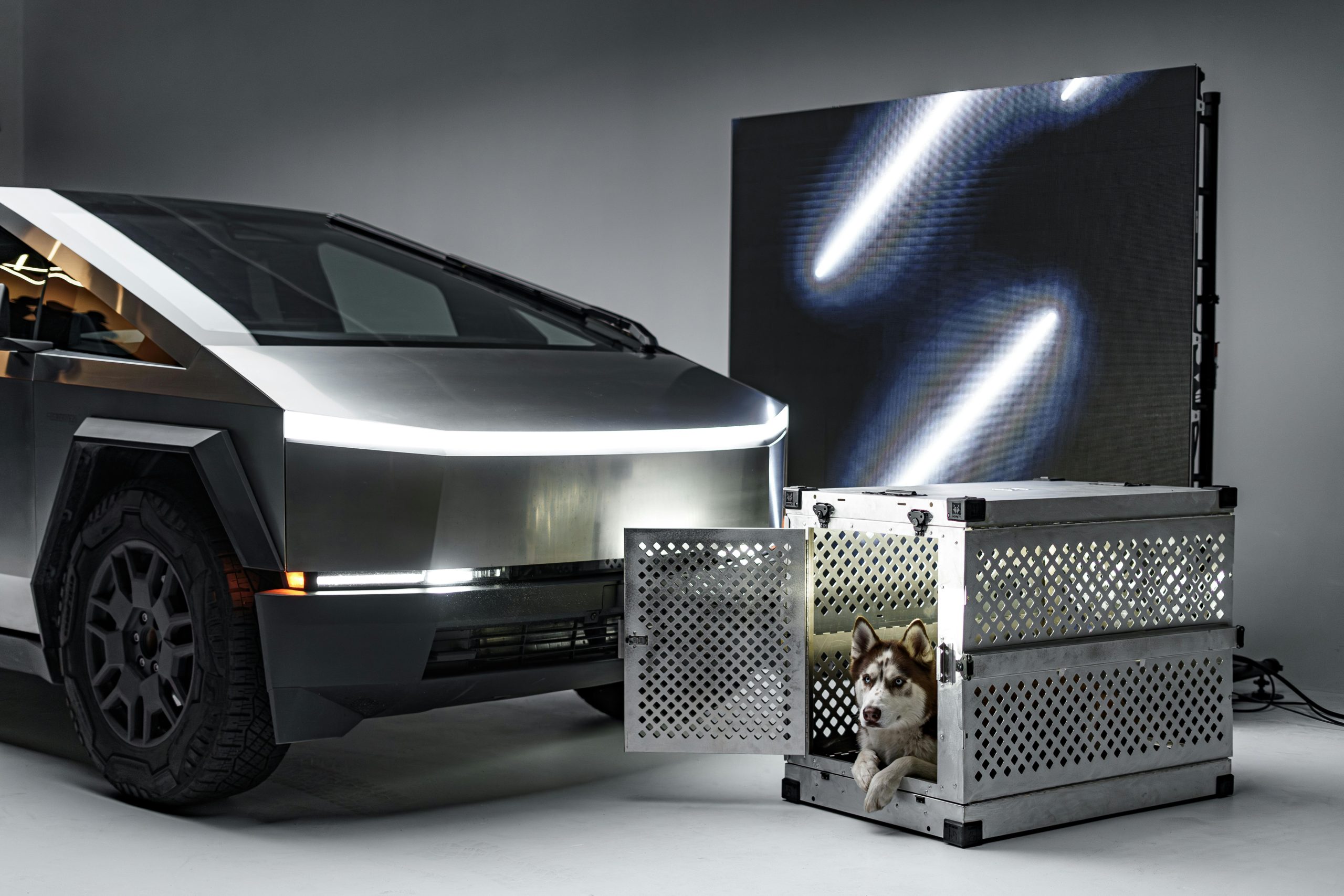
Title: Tesla Cybertruck Sales Decline: Company Introduces Trade-In Offers Amidst Value Depreciation
In a surprising turn of events, Tesla has witnessed a significant decline in sales for its highly anticipated Cybertruck. This latest development has raised eyebrows across the automotive industry, as the company now finds itself in a position to accept trade-insΓÇöalbeit under conditions of considerable value depreciation.
The Cybertruck, which was initially met with fervent enthusiasm and pre-order excitement, appears to be grappling with challenges in the marketplace. As demand wanes, Tesla is proactively addressing this situation by allowing customers to trade in their vehicles, potentially at a loss, in a bid to revitalize interest in the electric pickup segment.
The decision to implement trade-in options comes as part of Tesla’s broader strategy to maintain its competitive edge amidst shifting consumer preferences and market dynamics. While the company’s commitment to innovation remains steadfast, the stark reality of declining sales figures cannot be overlooked.
Industry analysts are closely monitoring the implications of these moves, as they could signal a larger trend within the EV space. Will Tesla’s trade-in program turn the tide for the Cybertruck? Only time will tell. Regardless, the current landscape presents both challenges and opportunities for the automaker as it navigates the complexities of consumer demand and vehicle valuation.
In conclusion, while the Cybertruck’s initial momentum seems to have faltered, Tesla’s adaptive approach may pave the way for a renewed interest and engagement in this groundbreaking electric vehicle. As developments unfold, stakeholders will undoubtedly keep a watchful eye on how this situation progresses.











2 Comments
This development highlights the complex dynamics of the EV market and consumer perceptions of new vehicle launches. The decline in Cybertruck sales, despite substantial anticipation, suggests that early excitement may be tempered by practical concerns such as pricing, performance expectations, or market saturation. TeslaΓÇÖs decision to accept trade-ins at significant depreciation could be a strategic move to clear inventory and sustain interest, but it also underscores the importance of building long-term consumer confidence.
Furthermore, this situation presents an opportunity for Tesla to refine its value proposition and perhaps revisit how it markets the CybertruckΓÇöfocusing on differentiating features or addressing perceived shortcomings. It also emphasizes the importance for automakers to balance innovation with market readiness, ensuring that new models align with consumer expectations and economic realities. Monitoring how TeslaΓÇÖs trade-in incentives influence sales over the coming months will offer valuable insights into the resilience of the electric pickup segment and the broader EV adoption trends.
This situation highlights a broader challenge faced by innovative EV manufacturers: balancing initial enthusiasm with sustained market demand. The Cybertruck’s unique design and pioneering features initially garnered excitement, but factors like high price points, production delays, and uncertainties about long-term value retention can dampen consumer confidence. Tesla╬ô├ç├ûs decision to accept trade-ins at significant depreciation may reflect an understanding that to maintain market share and stimulate demand, flexible buy-back and trade-in programs are crucial ╬ô├ç├╢ especially as competitive options from other automakers, including traditional pickups with electric variants, continue to emerge.
Furthermore, this trend underscores the importance of residual value in consumer decision-making within the EV space. As battery tech evolves and supply chain conditions fluctuate, maintaining vehicle value over time becomes critical, both from a consumer and corporate perspective. If Tesla can leverage innovative financing or leasing models alongside trade-in incentives, it might better address these concerns.
Ultimately, this scenario serves as a reminder that even industry leaders face ebbs and flows, and their agility in responding to market pressuresΓÇöthrough strategic trade-in programs, hardware upgrades, or software improvementsΓÇöwill determine their long-term success in the competitive EV landscape.