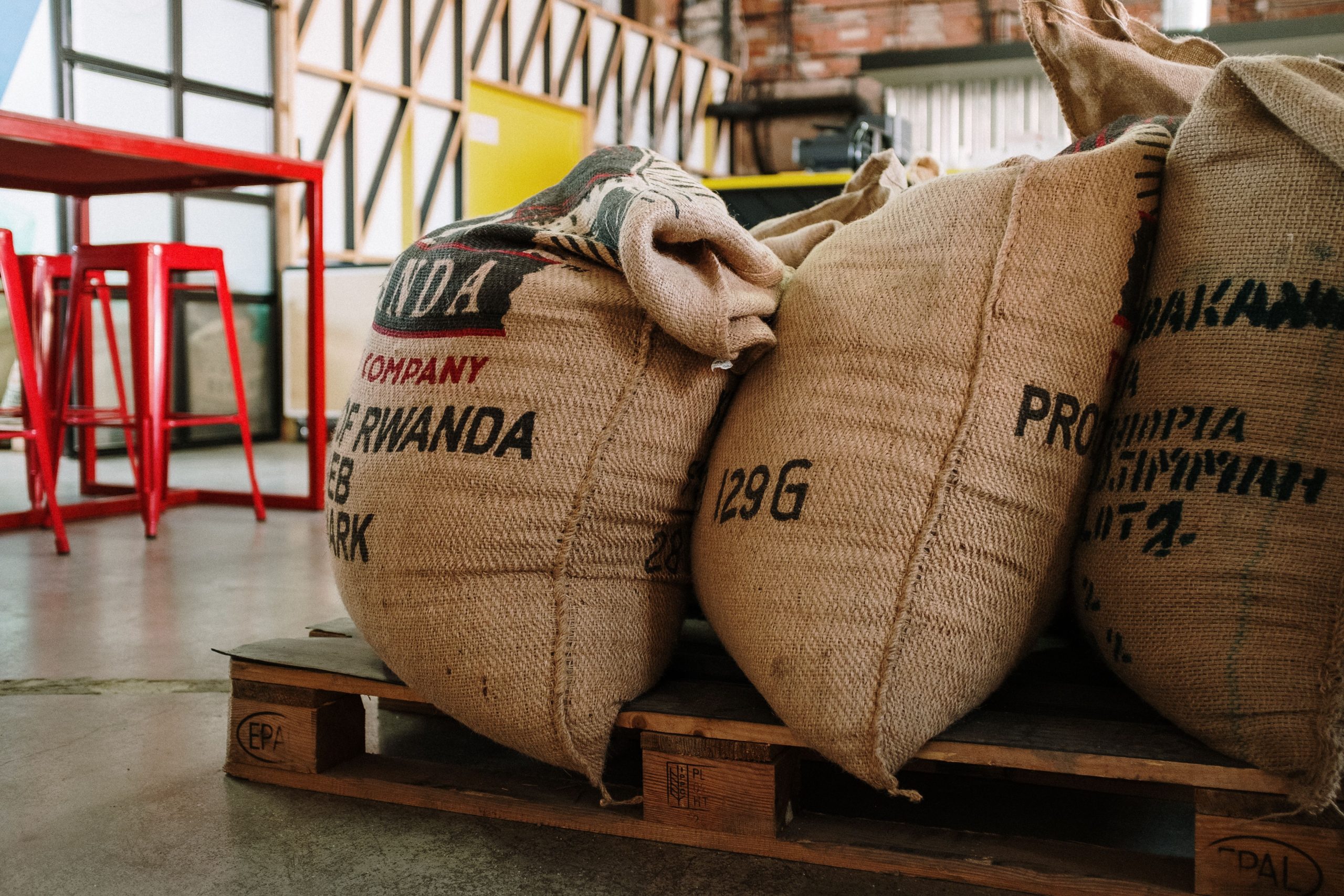
How to Launch a Coffee Export Business and Establish a Retail Shop: A Comprehensive Guide
Starting a coffee business that combines both export operations and retail sales can be a lucrative venture, especially if you’re sourcing high-quality beans from renowned coffee-producing regions like Brazil and Panama. If you’re considering entering this industry, here’s a step-by-step guide to help you navigate the process effectively.
1. Conduct Market Research
Before diving into the business, it’s essential to understand the market demand both locally and internationally. Analyze the coffee industry trends, identify your target customers, and study your competitors. Recognize the preferences of your potential clients, whether they are wholesale buyers, cafes, or end consumers.
2. Develop a Business Plan
A solid business plan will serve as your roadmap. Outline your business objectives, target markets, sourcing strategies, marketing approaches, financial projections, and logistics plans. This document will also be vital when seeking funding or partnerships.
3. Secure Reliable Coffee Sources
Since you are interested in exporting coffee from Brazil and Panama, building relationships with reputable coffee farmers and cooperatives is crucial. Ensure that your sources adhere to quality standards and sustainable farming practices. Visiting plantations and obtaining certifications can add credibility to your offerings.
4. Understand Export Regulations and Compliance
Navigating export procedures can be complex. Familiarize yourself with the export regulations of Brazil, Panama, and your target markets. This includes customs documentation, quality standards, phytosanitary requirements, and tariffs. Consulting with export professionals or trade associations can streamline this process.
5. Set Up Logistics and Shipping Solutions
Decide on shipping methods, storage facilities, and distribution channels. Partner with experienced freight forwarders and logistic providers to ensure timely and cost-effective delivery. Proper labeling, packaging, and handling are vital to maintain coffee quality during transit.
6. Establish Your Retail Shop
To complement your export business, consider opening a retail shop or online store. This provides a direct sales channel to consumers and helps build brand recognition. Curate a selection of premium coffees, educate customers about their origin, and create an inviting atmosphere or engaging online content.
7. Implement Marketing and Branding Strategies
Create a compelling brand that highlights the quality and origin of your coffee. Use digital marketing, social media, and local engagement to attract customers. Providing tasting events, educational workshops, and detailed product information can enhance customer loyalty.
8. Build Partnerships and Networks
Join coffee industry associations, participate in trade shows, and connect with distributors, cafes, and other stakeholders. Building a strong network can open doors to new markets and opportunities.
Final Thoughts
Starting a coffee export and retail business requires careful planning, reliable sourcing, and a deep understanding of logistics and regulations. By focusing on quality, consistency, and building meaningful relationships within the supply chain, you can establish a successful enterprise in the vibrant coffee industry.
If you are new to this field, seek advice from industry experts, attend relevant workshops, and continuously stay informed about market trends. Embark on your journey with dedication and knowledge, and your coffee business can flourish both locally and abroad.