
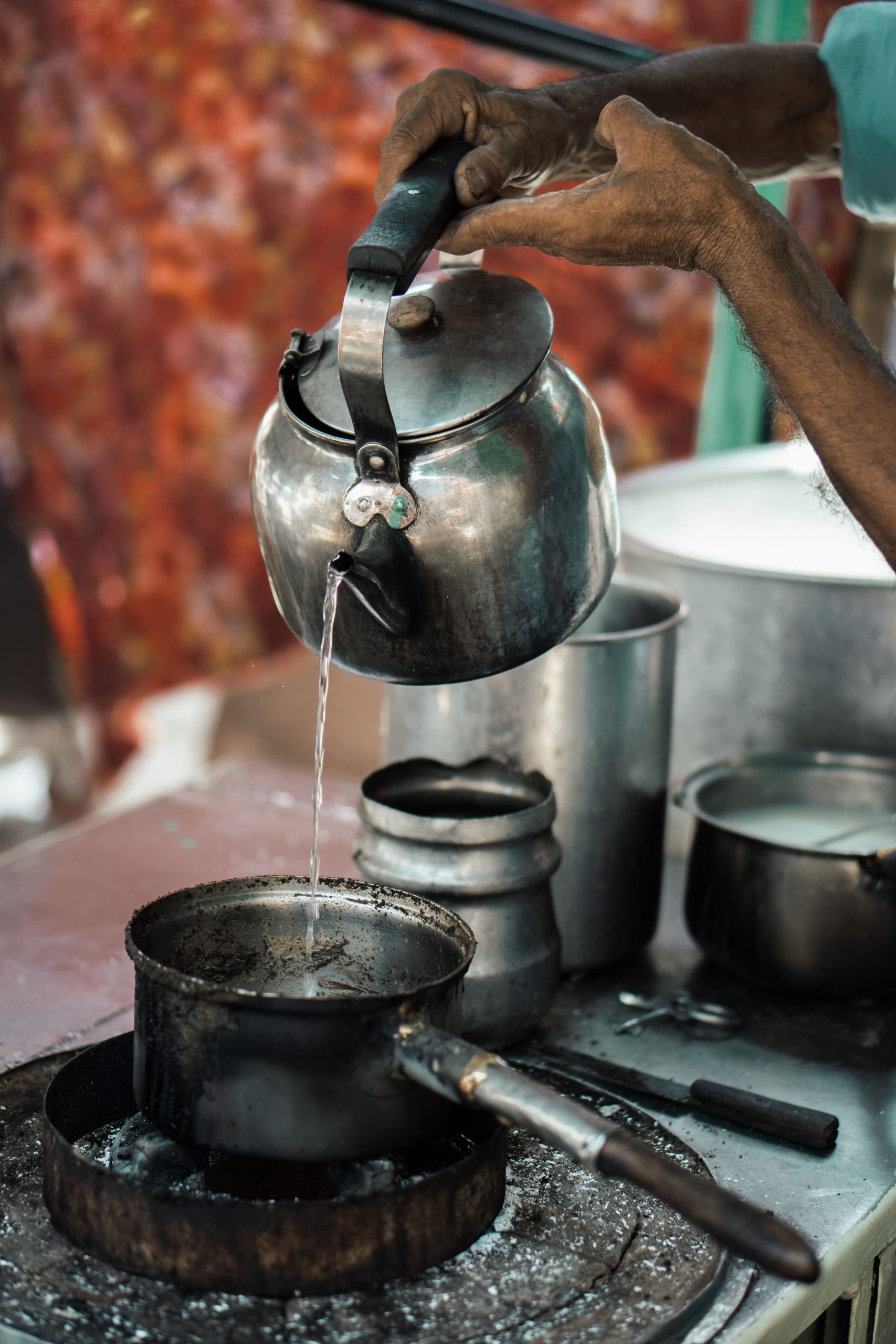
Starting a Mobile Tea Stall: Navigating Safety and Regulations for Gas Equipment
Launching a mobile tea stall can be an exciting venture, especially when serving hot beverages at festivals and outdoor events. However, ensuring compliance with safety standards and regulations around gas appliances is crucial for both safety and legal compliance. This article provides a comprehensive overview of the key considerations and best practices for operating a propane-powered hot beverage stall within a mobile setup.
Understanding the Setup
Your intended setup involves a basic mobile tea stall comprising a gazebo or market stall structure, a 10kW propane burner, and a supply of hot water and biscuits. The burner will be powered by a propane bottle stored in a secure cage, and the operation will require careful planning to meet safety standards.
Key Safety and Compliance Considerations
-
Gas Cylinder Security and Placement
-
Cage Requirements: The propane bottle must be stored in a securely locked cage during operation. This cage ensures safety by preventing accidental dislodgement or tampering.
- Positioning: The cage should be placed at least 1 meter away from the gazebo structure to comply with safety guidelines and to prevent heat transfer or ignition risks.
-
Hose Length Limitations: Regulations typically cap the hose length between the cylinder and the burner at around 1.5 meters to minimize pressure drops and safety concerns.
-
Operating the Burner Safely
-
Hose and Connection: To operate the burner inside the gazebo with a hose no longer than 1.5 meters, it is vital to use high-quality, certified hoses designed for propane use. This ensures safe and reliable operation without pressure issues.
-
Emergency Procedures: When the gas cylinder is in a locked cage, quick isolation during emergencies can be challenging. Planning for an accessible emergency shutoff valve or quick-disconnect fittings can facilitate rapid response.
-
Equipment and Fittings
-
Hose Specification: Use overbraided hoses that meet industry standards for propane appliances. These hoses are reinforced for durability and safety.
- Regulator Selection: Choose a regulator designed specifically for commercial use, capable of handling the 10kW output and compatible with your propane bottle. A high-quality, certified regulator will ensure consistent gas flow.
-
Clamps and Fittings: Replace generic clamps like jubilee clips with approved, industrial-grade fittings such as swivel nut adapters, proper compression fittings, or bayonet connectors designed for propane appliances. These fittings offer better security and compliance.
-
Sourcing Equipment
-
Custom Hoses: To ensure safety and compliance, consider purchasing custom-made hoses from reputable suppliers specializing in gas fittings. They can tailor the length and fittings to your specifications and certify their safety.
- Certification and Certification: Always verify that all equipment and fittings carry the relevant certification and comply with local safety standards.
Engaging a Gas Safety Professional
Due to the complexities and hazards associated with propane gas, it is strongly recommended to engage a qualified gas safety engineer. They can:
- Certify your setup meets all safety standards.
- Provide guidance on proper installation.
- Advise on emergency shutoff mechanisms.
- Assist in obtaining the necessary certifications and documentation required for operating at festivals and other public events.
Final Thoughts
While setting up a mobile tea stall with propane heating involves meticulous planning and adherence to safety standards, careful preparation can ensure a smooth and compliant operation. Prioritize sourcing certified equipment, understanding placement and safety distances, and working with qualified professionals to meet all regulatory requirements. With these measures in place, you can confidently serve hot tea and biscuits to festival-goers, creating a warm and inviting experience for your customers.
If you have further questions or need assistance sourcing equipment, consult local gas safety authorities or industry professionals to ensure your setup is both safe and compliant.










One Comment
This comprehensive overview highlights the critical importance of strict adherence to safety protocols when using propane in mobile food setups. It’s particularly insightful how you emphasize not only the proper equipment and placement but also the value of engaging qualified gas safety engineers. Beyond compliance, such professionalism enhances customer trust and reduces liability.
An additional point worth considering is the integration of real-time gas leak detection systems and regular safety audits, especially in outdoor, high-traffic environments. Implementing visible safety signage and conducting staff training on emergency responses can further mitigate risks.
Overall, combining rigorous safety practices with quality equipment sourcing ensures both legal compliance and operational efficiency, enabling vendors to focus on delivering a delightful hot beverage experience safely.