Starting a Home-Based CNC Workshop: Legal Considerations and Financial Implications
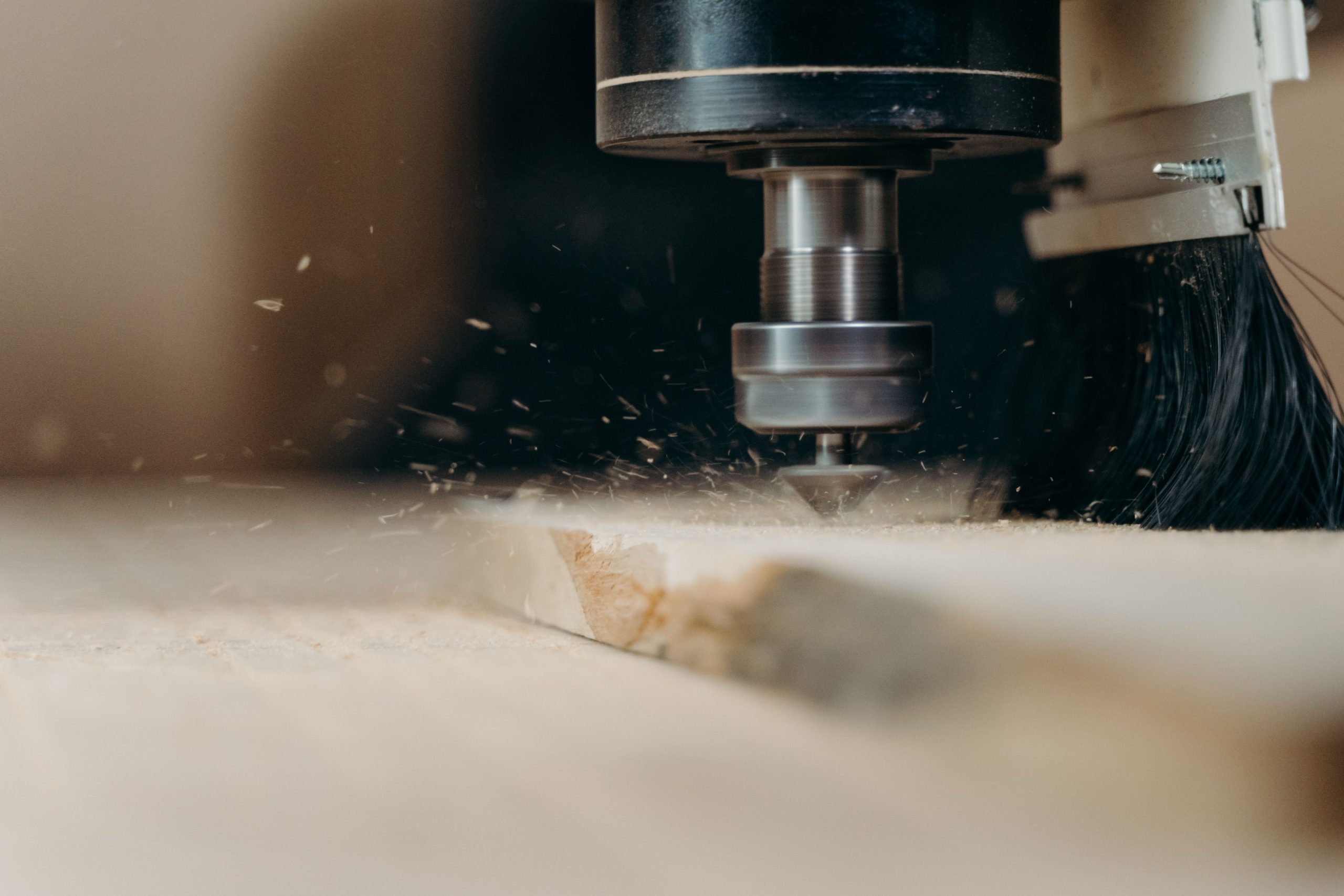
Setting up a small-scale manufacturing or machining operation within a residential property can be an exciting venture, blending hobbies with potential income streams. However, navigating the legal and financial landscape—particularly concerning mortgage agreements, insurance policies, and business registration—requires careful planning. This article explores key considerations for entrepreneurs establishing a CNC machining workshop from their home garage, with a focus on compliance and risk management.
- Establishing Your Business at Home
Many hobbyists or small business owners begin by registering a limited company (Ltd), which offers benefits such as tax deferral and liability protection. If your workshop will primarily involve metal machining on a desktop CNC mill and 3D printing, operating from an outbuilding like a detached garage, it’s important to understand the implications of housing a business at a residential address.
-
Communicating Business Use to Stakeholders
-
Home Insurance:
Verify that your property insurance policy covers business activities conducted within your garage. Even if it has included business use as a precaution, notify your insurer of any operational plans to ensure coverage is appropriate and avoid potential claim issues down the line. -
Mortgage Provider:
Typically, mortgage agreements specify restrictions on commercial activities or alterations to the property’s use. Notifying your mortgage lender of your intentions is advisable; failure to do so could breach your mortgage terms, risking penalties or even mortgage enforcement. If you are operating from a VO (Veterans’ Organisation) address or similar, clarify whether this qualifies as a permissible business location. -
Operational Considerations at a Residential Property
-
Visitor and Supplier Access:
Limiting visits to your property—materials picked up by yourself, packages dropped off, and clients operating through online marketplaces—reduces the risk of complaints and external scrutiny. -
Structural and Environmental Impact:
Since the CNC machine will be placed within an existing corner of your garage—with no structural modifications—changes are minimal. Ensuring proper ventilation, noise mitigation, and chemical handling (if applicable) are best practices to prevent disturbances and legal issues. -
Neighbour Relations:
Noise levels, chemical odors, or leaks should be managed to prevent nuisance. As your machines are enclosed and operated during reasonable hours, neighbours are unlikely to be disturbed, but proactive communication can foster goodwill. -
Insurance and Liability
-
Insurance Coverage:
Confirm that your home insurance, which includes business use, reflects your actual activities. While low-value parts and hobbyist-level operations typically pose minimal risk, understanding how liabilities are covered remains important. -
Product Liability:
If manufacturing parts for sale, consider obtaining product liability insurance, especially as the enterprise scales. At the initial stage, with low-value products and minimal assets, this may be optional. However, be aware that some lenders or insurers may inquire about your coverage—knowing whether policies are in place can influence their assessments. -
Legal and Financial Risks
-
Visibility and Compliance:
Not notifying your mortgage lender or insurer may seem tempting to avoid restrictions or scrutiny, but non-disclosure can have serious consequences if issues arise. -
Business Scale and Future Plans:
Operating as a sole trader simplifies setup but exposes personal assets to liabilities. Incorporating a limited company offers liability protection, and profits can be retained within the company, with flexible extraction later. Planning for expansion—such as leasing industrial space—and ensuring compliance from the outset will streamline future growth. -
Additional Considerations
-
Regulatory Compliance:
Check local regulations regarding business activities from residential premises, environmental impact, and safety standards. -
Tax and Financial Management:
Consulting with an accountant can help optimize tax strategies, particularly in differentiating personal and business finances, and in understanding how insurance policies and business registration affect tax obligations.
Conclusion
Launching a CNC workshop within your home can be a rewarding endeavor, blending hobby pursuits with entrepreneurial ambitions. The key is to proactively communicate with your mortgage lender and insurer, ensure compliance with local regulations, and implement sound safety and environmental practices. With careful planning and transparent disclosure, you can mitigate risks and create a sustainable foundation for your small-scale manufacturing project. Always seek professional advice when in doubt to align your setup with legal, financial, and safety requirements.