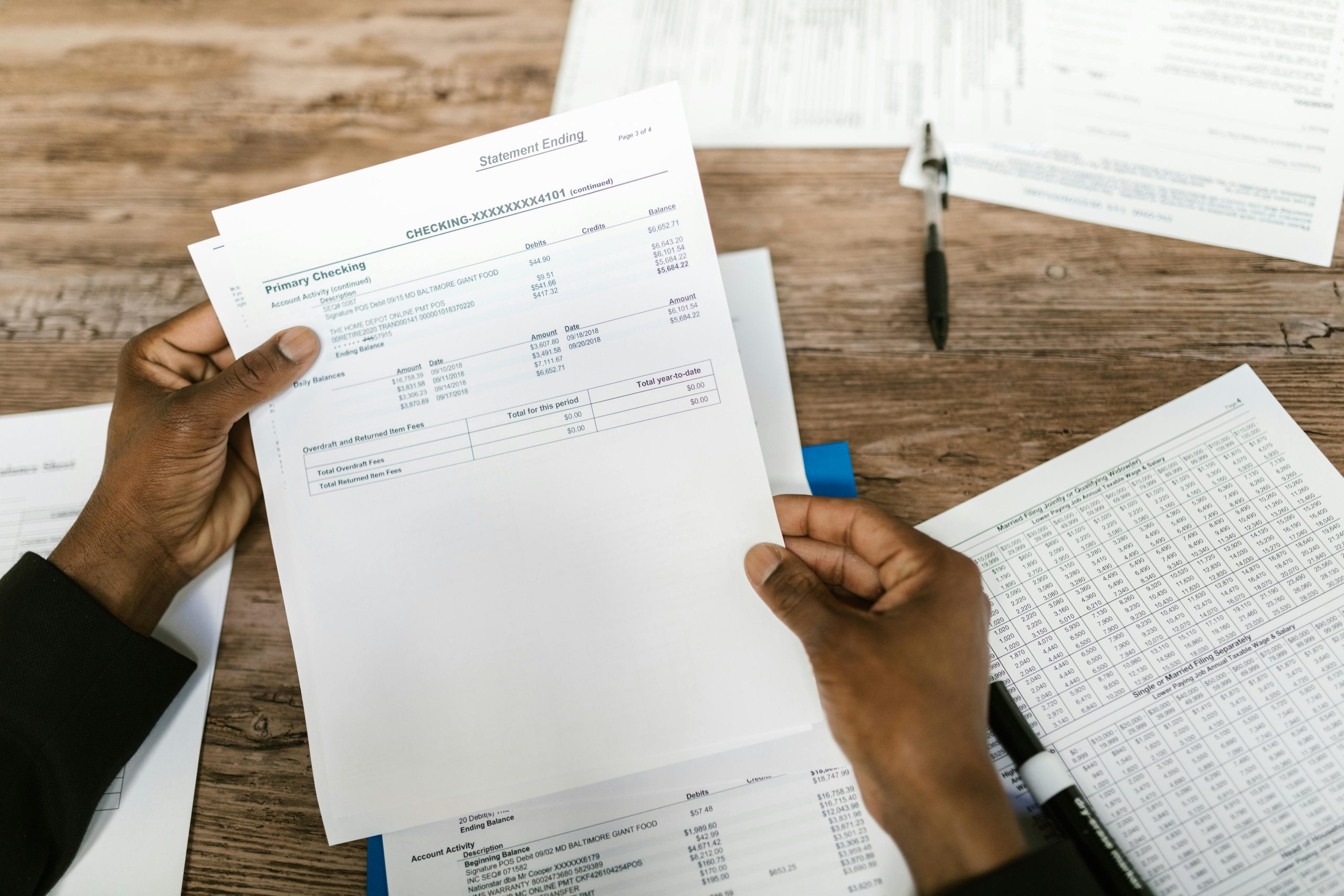
Evaluating the Reliability of CoFina for Investor Reporting: Can Automation Match Your Standards?
In the realm of investor relations, accurate financial reporting is paramount. Many organizations rely on a combination of traditional bookkeeping, manual checks, and spreadsheet analysis to ensure their reports are grounded in reliable data. While this approach provides a level of familiarity and control, it can be time-consuming and prone to human error.
Recently, financial automation tools like CoFina have garnered attention for their promise to streamline data consolidation and reporting processes. These platforms aim to pull data from various sources—such as banking systems, accounting software, and payment processors like Stripe—and generate metrics instantaneously. While such capabilities are enticing, questions about their accuracy and dependability remain.
The Trust Question: Can Automated Tools Replace Manual Verification?
A common concern among financial professionals is the degree of trust they can place in automated outputs. Even if a tool claims to deliver precise figures, many practitioners still find themselves performing manual checks. This skepticism primarily stems from worries about data integrity—are these tools pulling clean, consistent data from all integrated sources? Or are manual corrections still necessary to rectify inconsistencies or errors that slip through?
Lessons from Experience: Catching Errors Post-Reporting
Another critical consideration is the possibility of uncovering discrepancies only after reports have been disseminated to investors. Such revelations can undermine credibility and require costly revisions. Therefore, organizations often prefer a cautious approach, maintaining a manual review process to verify the accuracy of their reports despite automation.
Balancing Efficiency and Reliability
The allure of instant reporting offered by platforms like CoFina is undeniable, especially for fast-paced organizations seeking to save time. However, when data comes from multiple sources—bank accounts, bookkeeping platforms, payment gateways—the risk of inaccuracies increases. Relying solely on automated systems without supplemental checks may compromise the integrity of financial reports.
Conclusion: A Hybrid Approach Is Often Best
While automation tools are transforming the landscape of financial reporting, they are not yet a complete substitute for diligent human oversight. For organizations prioritizing accuracy and investor trust, a hybrid approach—leveraging automation for efficiency but retaining manual validation—appears to be the most prudent path forward. Continued diligence ensures that the numbers presented to investors remain trustworthy, transparent, and reflective of the true financial state of the organization.
Final Thoughts
As tools like CoFina evolve, their reliability will improve. However, understanding their limitations and maintaining a vigilant review process remains essential in upholding the highest standards of financial reporting.