
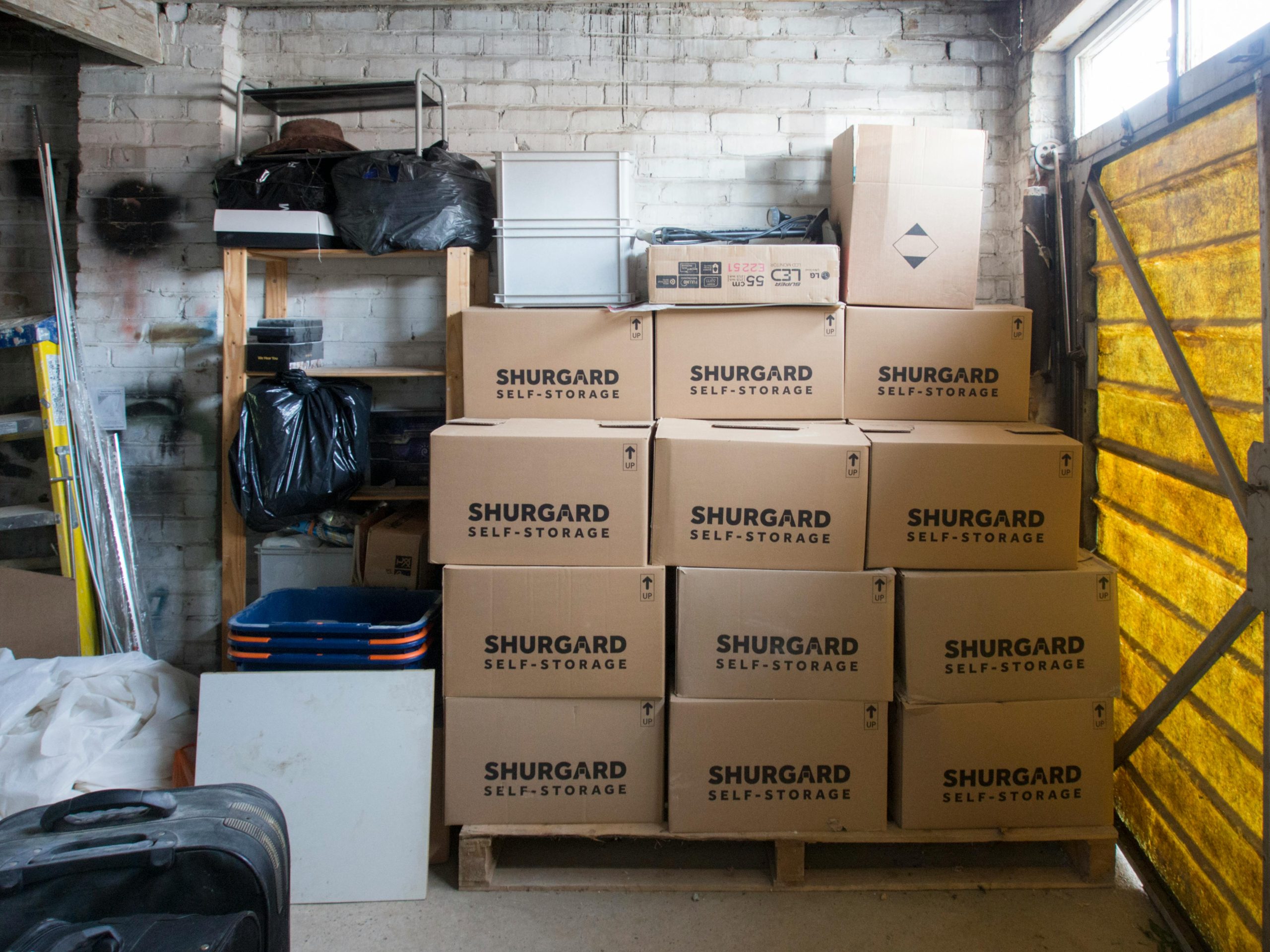
Understanding the Implications for Building Contents When a Storage Facility Goes Into Liquidation
In the realm of property management and business operations, unforeseen circumstances can arise that require prompt and informed decision-making. Recently, a situation involving the voluntary liquidation of a local storage company has brought to light some complex questions regarding the handling of stored contents, especially when these contents are tied to unpaid customer debts.
The Scenario
A nearby removal and storage firm, which had been operational until recently, entered into voluntary liquidation. The landlord of the storage unit adjacent to the company’s premises has entered into an agreement to assume control of the premises due to space constraints. However, the storage unit was left in a partially filled state, containing possessions belonging to a customer who has accumulated significant unpaid bills—exceeding £10,000.
Key Concerns
Several issues emerge from this scenario:
-
Ownership of Stored Goods: The possessions belong to the customer who owes the storage company money. Under standard legal principles, the company’s assets do not automatically include these items if the customer has not paid or authorized their release.
-
Legal Rights of the Landlord: The landlord is uncertain about the correct procedures—whether to engage with the liquidators for collection and storage of the items or to assume ownership.
-
Claims and Liens: There is confusion over whether the landlord can claim ownership via a lien or similar mechanism or if items are now under the control of the liquidators.
Legal Considerations and Recommended Procedures
-
Engage the Liquidators: The first step is consulting the appointed liquidators. They hold authority over the company’s assets, including any items stored on the premises. Arranging for their involvement ensures compliance with legal protocols and prevents potential liabilities.
-
Inventory and Identification: An accurate inventory of the contents should be compiled. This aids in determining ownership, assessing the value, and establishing a record that can be referenced in future proceedings.
-
Customer’s Rights: Given that the belongings are tied to a customer with outstanding debts, the liquidators may have procedures to handle such property—either by auction, sale, or disposal, in accordance with insolvency laws.
-
Liens and Ownership Claims: Typically, storage companies have a lien over stored goods for unpaid fees. However, since the original company is in liquidation and the debt is unpaid, the lien’s enforceability may be limited or transferred to the liquidators.
-
Legal Advice: Seeking professional legal counsel tailored to the jurisdiction and specific circumstances is strongly advised. They can clarify whether the landlord has any claim, rights to sell the goods, or must await liquidation proceedings.
Conclusion
This situation underscores the importance of clear legal counsel and adherence to proper procedures when dealing with assets left in a storage facility during liquidation. The key takeaway is that ownership of stored goods usually remains with the customer until proper legal steps are taken, and the liquidators have authority over the assets.
For landlords and property managers, understanding the legal framework helps ensure that actions taken are compliant and that rights are protected. When in doubt, consulting with legal professionals and engaging the liquidators early can prevent complications and facilitate a smooth resolution.
If you’re managing property in similar situations, maintaining close communication with liquidators and legal advisors will be crucial in navigating the complexities surrounding stored contents after a company’s insolvency.
For further guidance on handling storage unit contents during liquidation or insolvency, consider consulting with legal professionals or property management experts experienced in such matters.











One Comment
This post highlights critical considerations that often get overlooked during liquidation scenarios involving stored goods. It’s essential to recognize that, generally, ownership of contents remains with the customer until legally transferred or disposed of through proper insolvency procedures. While storage companies often have a statutory lien to recover unpaid fees, the enforceability of such liens during a company’s liquidation can be complex and jurisdiction-dependent.
What’s particularly noteworthy is the importance of early engagement with liquidators—this ensures that the handling of the contents aligns with insolvency law and mitigates potential liabilities. Additionally, implementing meticulous inventory practices and clear documentation can be invaluable in establishing ownership and facilitating fair asset distribution or sale.
From a broader perspective, this scenario underscores the necessity for property owners and landlords to include clear lease or storage agreements that outline procedures for such eventualities. Proactive legal counsel can help craft policies that protect their interests, prevent disputes, and streamline the disposition process when companies enter liquidation.
Overall, the key takeaway is that careful, informed management, and adherence to legal protocols are crucial in safeguarding rights and ensuring a smooth resolution for all parties involved.