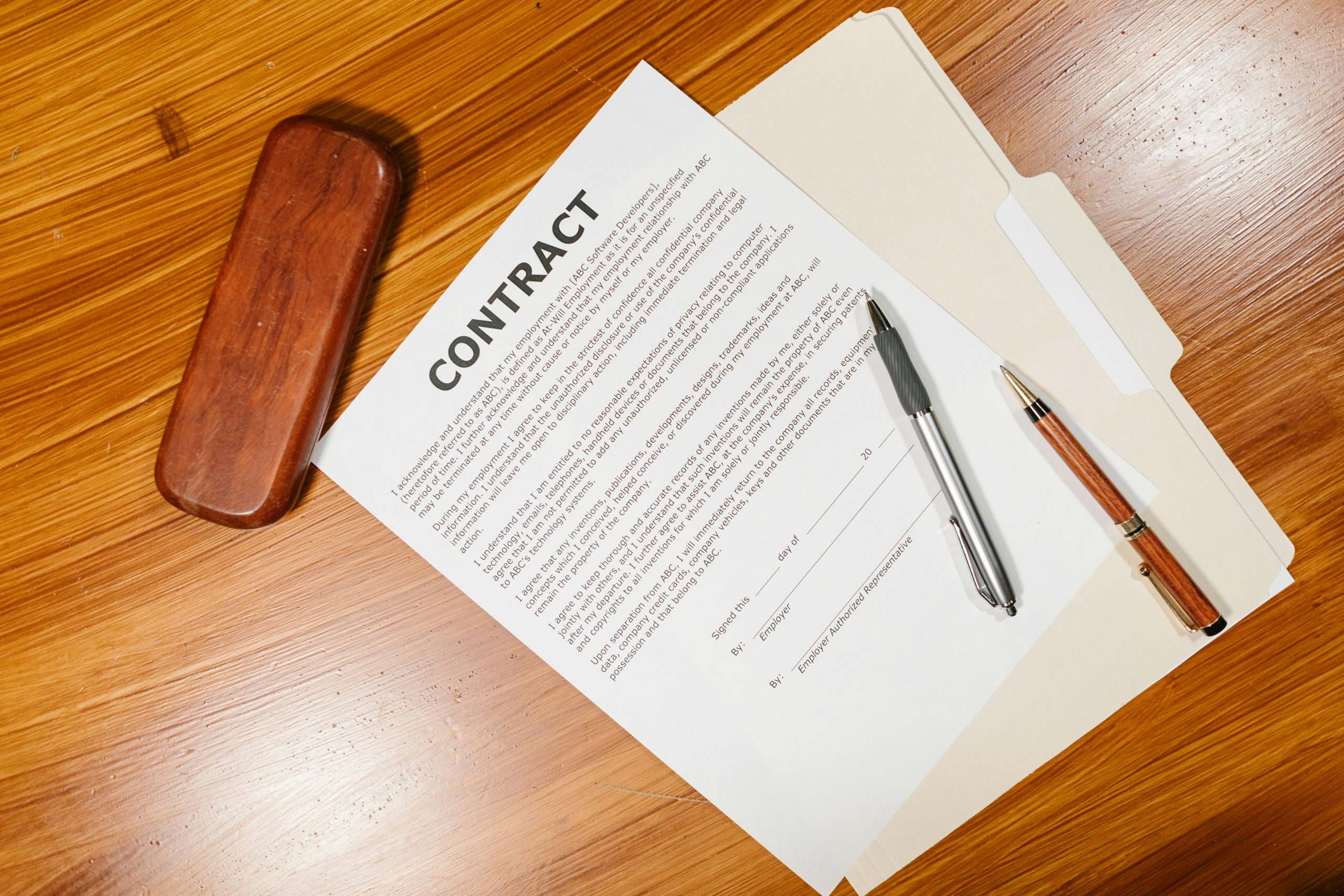
Unlocking Local Government Contract Opportunities for Small Businesses: A Guide to Winning Bids
Many small business owners associate government contracts solely with large defense contractors like Lockheed Martin or consulting firms bidding on Pentagon projects. While these opportunities exist, they represent just a fraction of the broader government procurement landscape. In reality, local, state, and municipal agencies offer numerous contracting opportunities that are often more accessible, less competitive, and highly profitable for small businesses ready to expand their customer base.
Understanding the Scope of Government Contracts Beyond Defense
Every local government entity—be it a city, county, school district, hospital authority, or utility—allocates a purchasing budget for various goods and services. These entities routinely publish bidding opportunities for items such as:
- Information Technology Equipment
- Janitorial and Cleaning Services
- Landscaping and Grounds Maintenance
- Printing and Office Supplies
- Food Services
- Consulting and Professional Services
- Construction and Maintenance Projects
- Security Services
Most of these procurement processes are conducted transparently, with contracts publicly posted and open for competitive bidding. Interestingly, many smaller contracts—often under specific dollar thresholds—are reserved for small or local vendors, preventing large prime contractors from dominating these opportunities.
Why Local Contracts Are More Accessible
While federal contracting can involve complex registration processes (such as navigating SAM.gov, understanding NAICS codes, and obtaining certifications), state and local contracts tend to be simpler. For contracts under $50,000 at the municipal level, full federal registration isn’t typically required. These projects often have straightforward bidding procedures, and many are intentionally designed to favor local vendors—making proximity a tangible advantage rather than a mere tie-breaker.
Moreover, the competition for local bids is usually less intense. While federal solicitations attract interest from across the country, city or county projects—such as a $40,000 IT support contract—may receive responses from just a handful of local businesses, or occasionally only one. In some cases, contracts are awarded within hours of posting to the bidding portal.
The Biggest Challenge: Awareness of Opportunities
The main obstacle for small businesses seeking local government contracts isn’t qualifying—it’s knowing the opportunities exist in the first place. Unlike federal procurement systems, which centralize information on SAM.gov, state and local procurement platforms are decentralized, each with its own portals and registration requirements.
For example:
-
A janitorial service provider in Texas might need to monitor multiple platforms: the city of Houston’s procurement portal, Harris County’s vendor system, Houston Independent School District’s bidding site, the Port of Houston Authority, and the Texas Facilities Commission’s procurement page—all separate and disconnected.
-
In Florida, similar opportunities are listed on MyFloridaMarketPlace, and other states have their own centralized portals.
Most businesses only discover one or two of these platforms, limiting their access to potential contracts and reducing their chances of winning bids.
Getting Started with Local Government Contracting
To effectively tap into local government opportunities:
-
Identify Relevant Portals: Search for “[your city] purchasing department,” “[your county] procurement,” and visit each entity’s vendor registration or bid board page.
-
Register as a Vendor: Most platforms require a simple registration process, which typically takes 15–30 minutes. Examples include Texas’s Electronic State Business Daily (txsmartbuy.gov) and Florida’s MyFloridaMarketPlace.
-
Monitor Regularly: Since bids can have tight deadlines—sometimes as short as seven days—consistent monitoring is crucial. Many small businesses miss out because they check platforms infrequently.
-
Act Quickly: Often, the contracts with the fewest bidders and shortest response windows are the easiest wins. Being attentive and responsive increases your chances dramatically.
Conclusion
While penetrating federal government contracts may seem daunting, local and state procurement opportunities are often more accessible, less competitive, and very rewarding. By understanding where to look and staying proactive in monitoring bids, small businesses can unlock a steady stream of public sector contracts—beyond the defense sector—that can significantly grow their revenue and reputation. Start now by exploring your local government portals, registering as a vendor, and maintaining consistent vigilance for upcoming bidding opportunities.