Navigating the Emotional Challenges of Following Up on Late Payments in Small Business
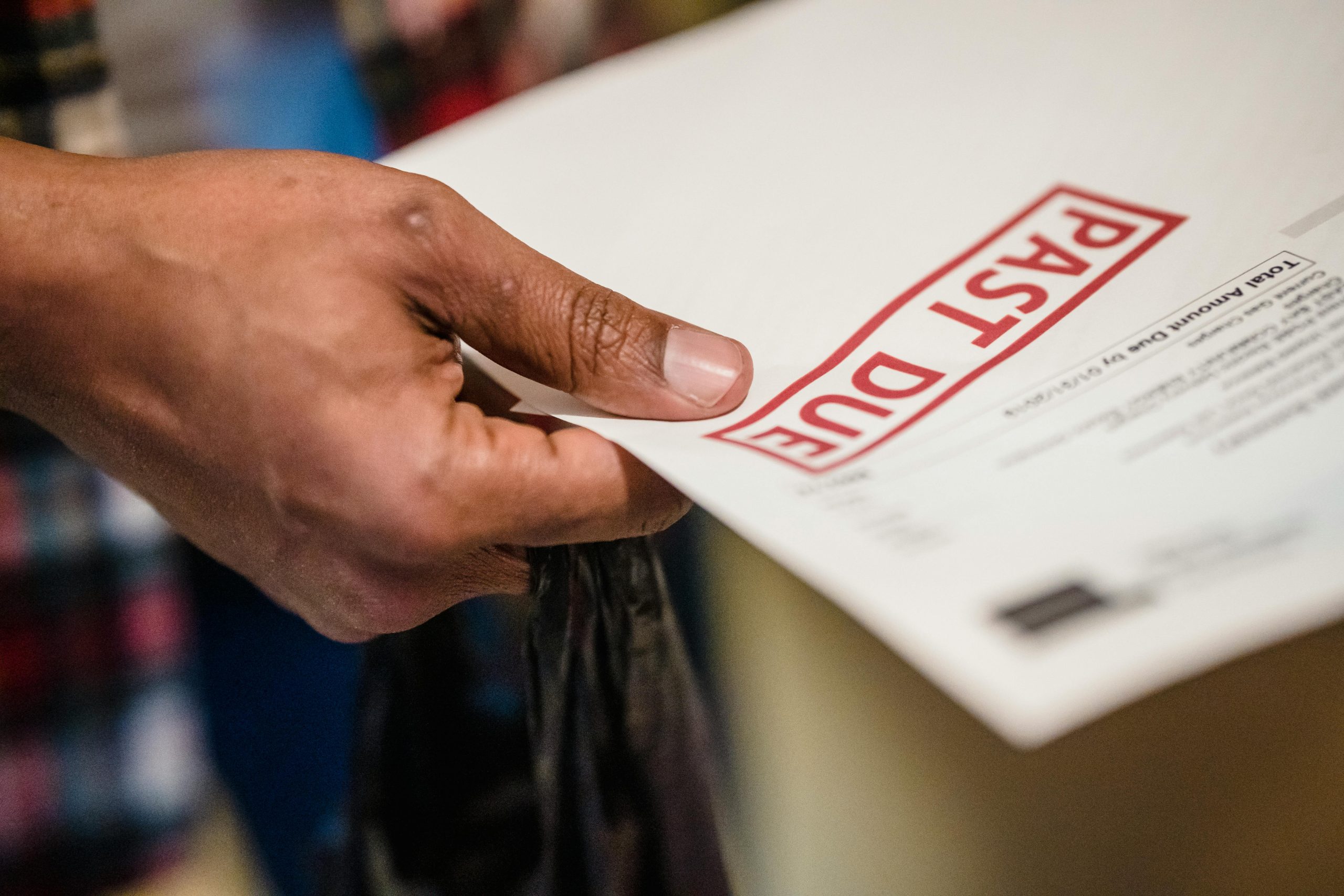
Managing a small business involves juggling numerous responsibilities, from client relationships to administrative tasks. One often-overlooked aspect that can cause discomfort is following up on overdue invoices. Many entrepreneurs find this task emotionally taxing, perceiving each payment reminder as a personal plea rather than a standard business procedure.
The Reluctance to Follow Up on Outstanding Invoices
While most small business owners understand the importance of timely payments, the act of chasing overdue invoices frequently stirs feelings of awkwardness or guilt. It’s not necessarily a matter of lacking the skills or knowledge to communicate about unpaid bills; rather, it’s an emotional hurdle. Sending repeated reminders can feel intrusive or as if one is begging, leading many to delay or avoid these communications altogether.
The Impact of Avoidance on Business Cash Flow
This hesitation can have tangible consequences. Delayed follow-ups often result in prolonged payment cycles, straining cash flow and impacting overall business stability. Small business owners might find themselves caught in a cycle of procrastination—sending only one reminder or waiting for the client to take the initiative—hoping the issue resolves itself.
Normalizing the Experience
It’s important to recognize that this emotional response is common among small business entrepreneurs. The personal investment in their work makes these financial interactions feel more intimate than routine transactions. Acknowledging that this feeling is shared by many can help owners develop strategies to manage it effectively.
Strategies for Comfortable and Effective Payment Follow-Ups
-
Establish Clear Payment Policies: Setting expectations upfront with clients regarding payment terms can minimize awkwardness later. Clear contracts and communicated deadlines help create a professional environment that normalizes follow-up procedures.
-
Create a Consistent Follow-Up Schedule: Developing a standardized process for reminders can reduce the emotional weight. Automated email systems or scheduled notifications ensure timely and consistent communication.
-
Frame Follow-Ups as Business Responsibilities: Viewing payment reminders as part of standard operational practice, rather than personal appeals, can help depersonalize the process.
-
Maintain Professional and Polite Communication: Crafting courteous, clear, and professional messages maintains positive client relationships and reduces discomfort.
-
Seek Support and Reflection: Sharing experiences with fellow entrepreneurs or mentors can provide reassurance and tips for managing these interactions comfortably.
Conclusion
Following up on late invoices is an inevitable aspect of small business ownership. While it may evoke personal feelings of discomfort, implementing structured procedures and reframing these communications can alleviate emotional barriers. Remember, professional, timely follow-ups are essential for maintaining healthy cash flow and the long-term success of your business. Embracing this responsibility as a routine part of business management not only protects your financial stability but also reinforces your professionalism.