
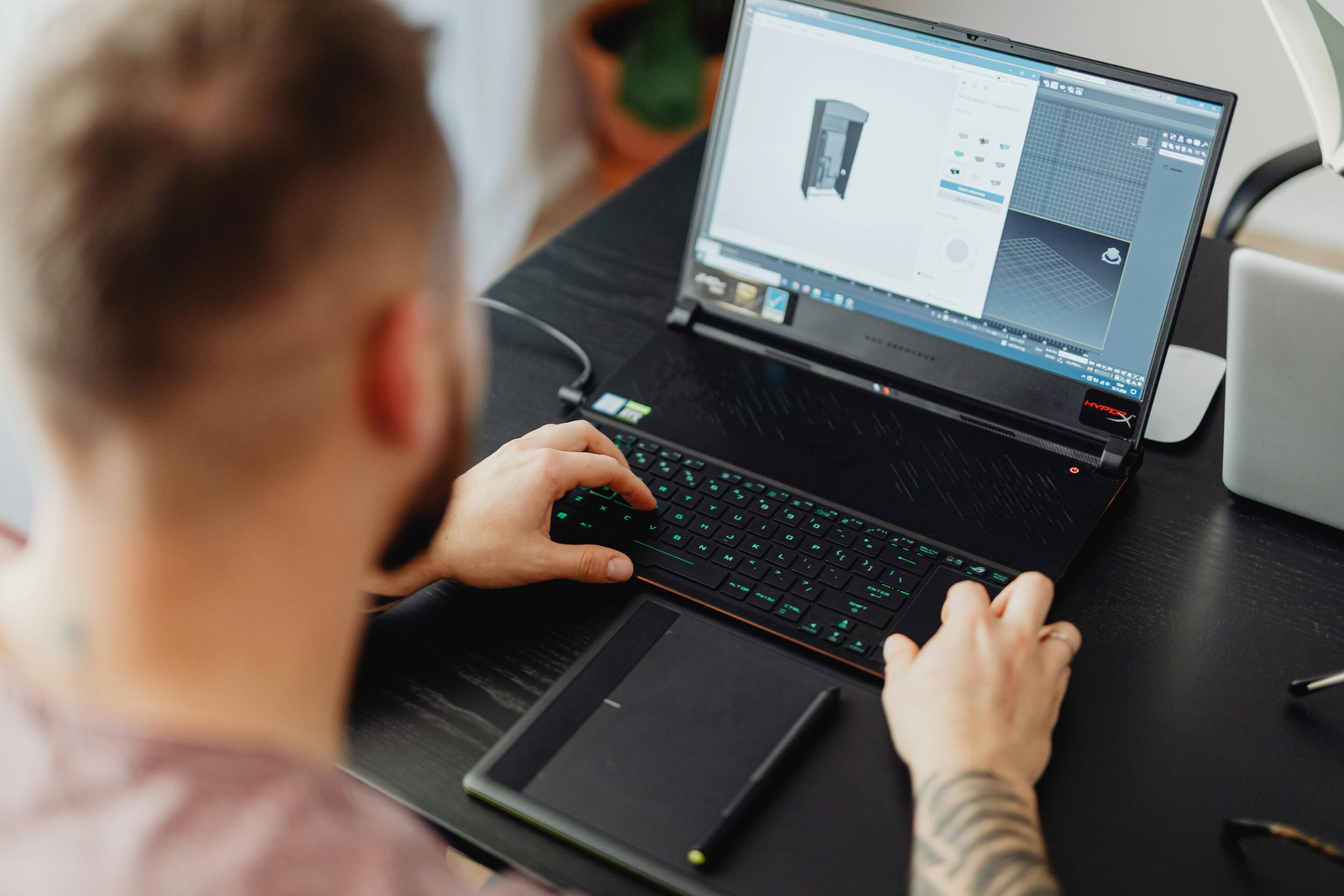
Starting Your CAD Freelancing Journey: A Guide for New Engineers
Embarking on a freelancing career in Computer-Aided Design (CAD) can be both exciting and daunting. As an industrial and product design engineer with three years of professional CAD experience, you may be considering this path to leverage your skills and generate additional income. However, navigating the freelance landscape is essential for success. This article offers insights into finding local clients, effective strategies, and managing software licensing as you begin your freelancing venture.
Finding Your First Clients
One of the most significant challenges for new freelancers is acquiring clients. While online platforms like Upwork and Fiverr have their merits, many experts recommend pursuing local, offline opportunities, especially when starting. Here are some effective strategies to consider:
-
Cold Outreach: Research local businesses, such as fabrication shops or small workshops, that might benefit from your CAD skills. Prepare a brief introduction and offer your services directly via email or phone calls.
-
Networking: Attend local industry events, trade shows, or meetups where you can connect with potential clients. Building relationships in person can lead to fruitful partnerships and referrals.
-
Word of Mouth: Don’t underestimate the power of personal connections. Inform friends, family, and former colleagues about your freelance activities. They may know businesses in need of your services.
-
Portfolio Development: Having a well-organized portfolio showcasing your previous work can significantly enhance your credibility. Consider offering your services at a reduced rate initially to build this portfolio.
-
Professional Services Listings: Consider listing your services on local business directories or community boards. Ensure your contact information is easily accessible for inquiries.
Navigating Software Licensing
Understanding the nuances of software licensing is crucial for a successful freelance practice. As commercial CAD licenses can be costly, it’s essential to choose a solution that aligns with your business goals while remaining compliant with licensing regulations. Here are some options to consider:
-
Flexible Licensing Models: Look into software options that offer token-based or daily usage licenses. While tools like Autodesk Inventor provide such features, assess whether they meet the demands of your projects and workflow.
-
Software Trials and Subscriptions: Many CAD software providers offer trial versions or subscription plans that may be more economical. This can be beneficial as you start since it allows you to evaluate different tools without a significant upfront investment.
-
Waiting for Demand: It can be prudent to hold off on purchasing expensive licenses until you have secured paying clients. This helps mitigate costs and allows you to assess what software best meets the requirements of your work.
Conclusion
Transitioning into CAD freelancing requires an entrepreneurial mindset, dedication, and a willingness to learn. Start with local outreach, build meaningful relationships, and be strategic about your software investments. Your goal of securing paid projects and establishing a foothold in the industry is achievable through consistent effort and adaptability. As you embark on this exciting journey, remember that each step will contribute to your growth as a freelancer and engineer. Best of luck in turning your CAD expertise into a successful side hustle!











One Comment
This is an excellent overview for aspiring CAD freelancers, especially highlighting the importance of local outreach and strategic software licensing. I’d like to add that alongside cold outreach and networking, consider developing a niche specialization within your CAD skills—whether it’s sustainable product design, manufacturing, or visualization. A targeted approach can make your portfolio more compelling and help you stand out to local clients seeking specific expertise. Additionally, exploring open-source or more affordable CAD alternatives like FreeCAD or Fusion 360 (with free personal use options) can help manage costs in the initial stages. As you grow, investing in the right licenses becomes more justified, but starting lean allows for flexibility and experimentation. Building strong local relationships combined with a clear value proposition can lead to not only steady work but repeat clients and referrals. Best of luck on your freelancing journey!