
Title: The Role of Accounting Software in the Growth of Small Businesses
As small businesses expand, the integration of accounting software becomes increasingly vital in navigating daily operations. This technology aids in a variety of essential tasks, including invoicing, expense tracking, and tax preparation. Understanding how small business owners leverage these tools can reveal both the efficiencies gained and the potential challenges faced.
Enhancing Daily Operations
One of the primary advantages of adopting accounting software is its ability to streamline daily financial tasks. Small business owners often find that these applications reduce the time spent on invoicing, allowing for quicker billing cycles and improved cash flow. Automated features enable users to generate and send invoices with minimal effort, facilitating a smoother financial operation.
Expense tracking is another critical area where accounting software proves invaluable. By automating the process of recording and categorizing expenses, business owners can maintain clearer insights into their financial health. This not only aids in budgeting but also enhances the accuracy of financial reporting, ultimately supporting more informed decision-making as the company grows.
Preparing for Tax Season
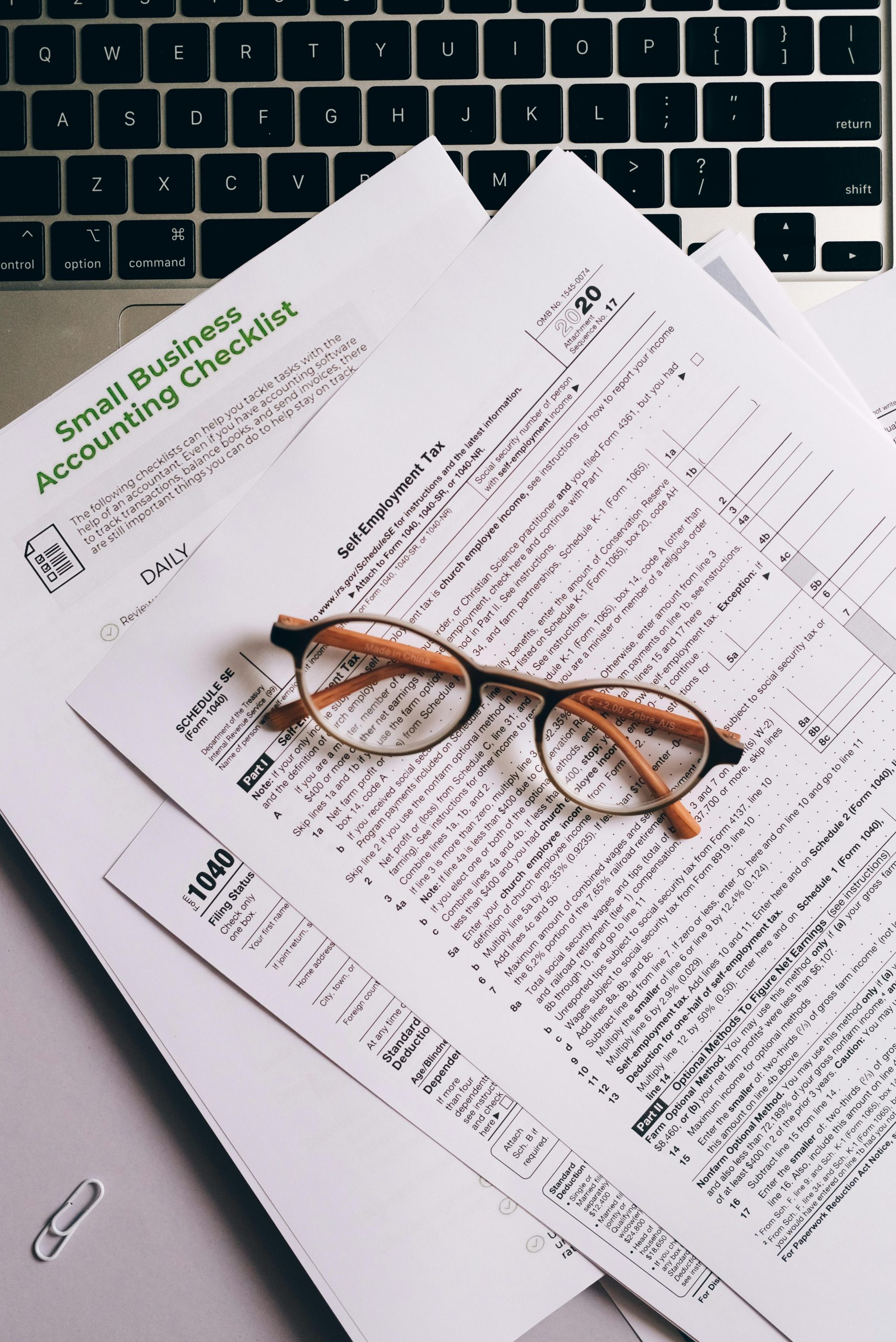
As a business expands, so does its complexity, particularly regarding tax obligations. Accounting software is designed to simplify tax preparation by consolidating financial data in one place, making it easier to generate accurate tax filings. With features that track deductions and manage compliance with tax regulations, small business owners can navigate the tax landscape more effectively, reducing the stress associated with tax season.
Balancing Efficiency and Time Investment
While accounting software can significantly enhance operational efficiency, it is essential for business owners to assess how it fits into their overall workflow. Some may discover that certain software solutions require a steep learning curve or demand more time than anticipated before they yield significant benefits. It is crucial to choose a solution that aligns with the specific needs of the business and offers robust support to ease the transition.
Making the Right Choice
For small business owners considering accounting software, assessing their current and future needs is paramount. Factors such as the size of the business, the industry, and the specific financial tasks at hand should inform the decision-making process. Engaging with software demos or consulting with peers can provide insight into the most suitable options.
In conclusion, as small businesses navigate their growth trajectories, the role of accounting software becomes increasingly critical. By facilitating invoicing, expense tracking, and tax preparation, these tools can enhance overall efficiency. However, careful consideration and a tailored approach are essential to ensure that business owners are maximizing the benefits while minimizing potential drawbacks.











One Comment
This is a comprehensive overview of how accounting software can support small business growth. One aspect worth exploring further is the integration of cloud-based solutions. As businesses scale, the ability to access real-time financial data from anywhere becomes increasingly valuable, especially in today’s mobile and remote work environments. Additionally, many modern accounting platforms offer scalable features and integrations with other business tools—such as CRM systems, inventory management, and payment processors—helping streamline operations across different departments.
For small business owners, early investment in adaptable and cloud-compatible accounting software can facilitate smoother transitions during growth phases, reduce manual data entry errors, and enhance financial transparency. The key takeaway is that choosing a flexible, scalable solution aligned with both current needs and future plans is critical for sustained success. Have you found that certain features or cloud integrations have made a significant difference in managing your finances more effectively?