
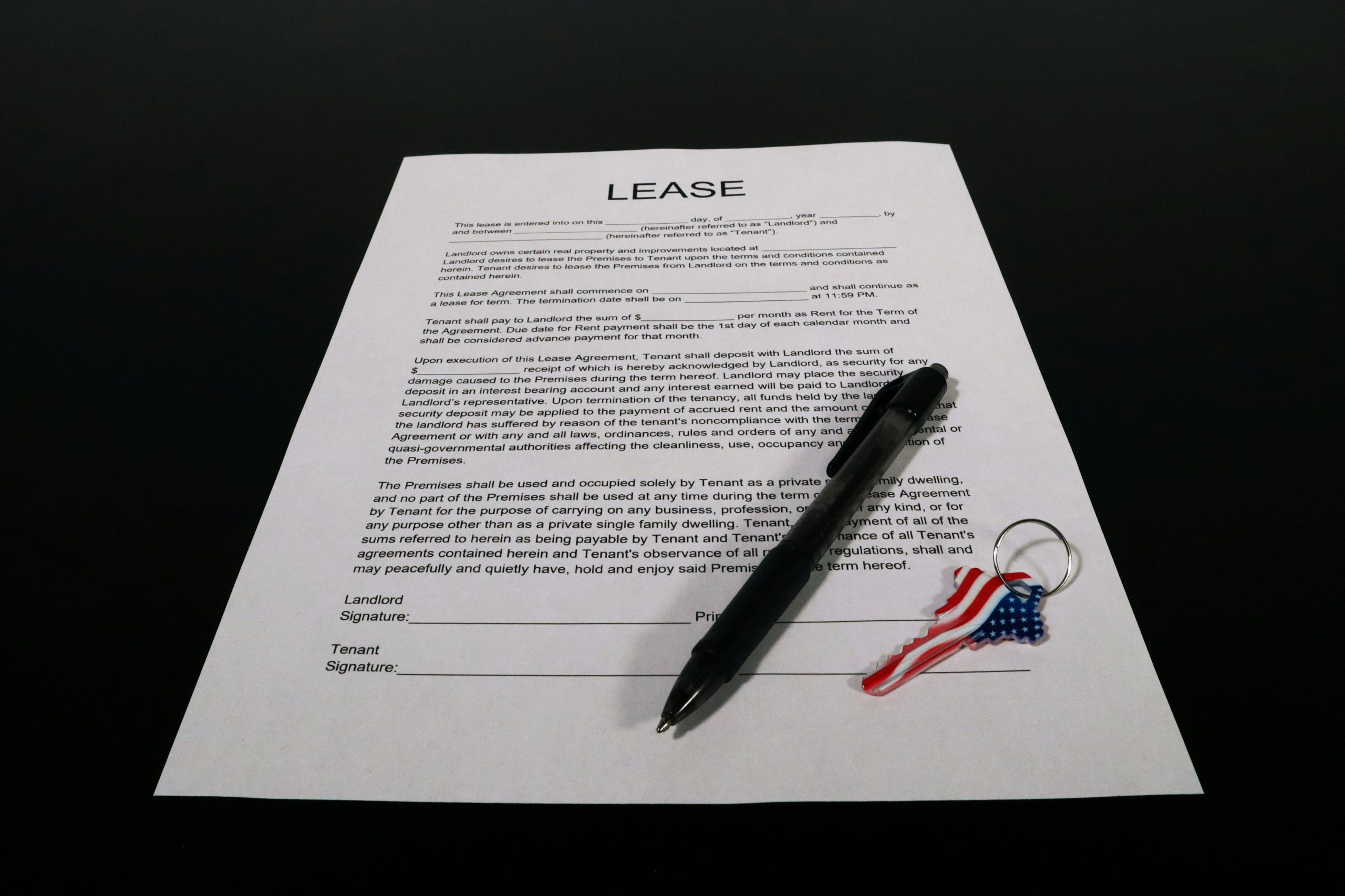
Can a Landlord Terminate a Commercial Lease Due to Outstanding Utility Bills? An Overview
Navigating the intricacies of commercial leasing can be complex, especially when issues arise related to unpaid utility bills. One common concern among tenants and landlords alike is whether a landlord has the right to terminate a lease if a tenant falls behind on essential utility payments such as gas, water, or phone bills, particularly when these debts are handed over to debt collection agencies.
While lease agreements vary significantly and specific legal guidance depends on the individual contract terms, understanding general principles can provide clarity on this situation.
The Impact of Unpaid Utilities on Commercial Tenancies
Utility payments are typically the responsibility of the tenant unless specified otherwise in the lease agreement. Failure to settle these bills can lead to several consequences, including service disconnection, fines, and damage to the tenant’s credit profile.
In cases where unpaid bills are handed over to debt management companies, this indicates a significant overdue debt. For landlords, the question often arises: does this unpaid utility debt constitute grounds for ending the lease?
Legal Considerations and Lease Terms
Generally, the ability of a landlord to terminate a lease on the grounds of unpaid utility bills depends on the lease’s specific clauses. Many commercial leases include provisions related to the tenant’s obligations to pay all outgoings, including utilities, and may stipulate that breaches of these obligations constitute grounds for termination.
However, unpaid utility bills alone may not automatically provide a legal basis for termination unless the lease explicitly states so, or the landlord can demonstrate that the unpaid debts breach the lease’s terms, such as causing a material breach or harm to the property or landlord.
Evidence and Due Process
Having evidence that utility debts have been handed over to debt collection agencies can strengthen a landlord’s position if they seek to terminate the lease. Nonetheless, the landlord must also adhere to legal procedures, including providing appropriate notices and allowing the tenant an opportunity to resolve any breaches if required.
Implications and Recommendations
-
Review Lease Agreement: Both landlords and tenants should carefully review the lease document to understand their respective rights and obligations concerning utility payments.
-
Open Communication: Engaging in discussions may help resolve issues without resorting to termination, such as arranging payment plans for outstanding bills.
-
Legal Advice: Given the complexities involved, seeking professional legal counsel is advisable to ensure any action taken aligns with current laws and the specific lease provisions.
-
Potential Remedies: Landlords might pursue remedies such as demanding payment or initiating eviction proceedings only if the unpaid utility bills are deemed a breach of the lease agreement.
Conclusion
While unpaid utility bills, especially those handed over to debt collection agencies, could influence a landlord’s decision to terminate a commercial lease, such action typically depends on the specific terms outlined in the lease contract and applicable laws. Both parties are encouraged to seek comprehensive legal advice and maintain transparent communication to address and resolve such issues effectively.
About the Author
[Your Name] is a legal and property expert specializing in commercial leasing and property management. With extensive experience advising tenants and landlords, [Your Name] provides insights into the legal landscape of property law to help stakeholders navigate complex situations effectively.











One Comment
This is an excellent overview of a nuanced issue that many landlords and tenants face. One critical aspect to emphasize is the importance of clear lease drafting from the outset—particularly clauses that specify consequences for unpaid utilities and the process for addressing debts. Including provisions that outline the landlord’s rights in cases of overdue payments, especially when debts are handed over to collection agencies, helps prevent ambiguities and potential disputes down the line.
Additionally, it’s worth highlighting that even if the lease permits termination due to unpaid utility bills, the landlord must follow proper legal procedures, including notice periods and opportunities for the tenant to remedy the breach. Open communication and early intervention can often resolve these issues amicably, avoiding unnecessary legal costs or damage to tenant relationships.
Ultimately, both parties benefit from proactive legal advice tailored to their specific lease terms and circumstances, ensuring they uphold their rights and obligations while maintaining a fair and compliant approach.