
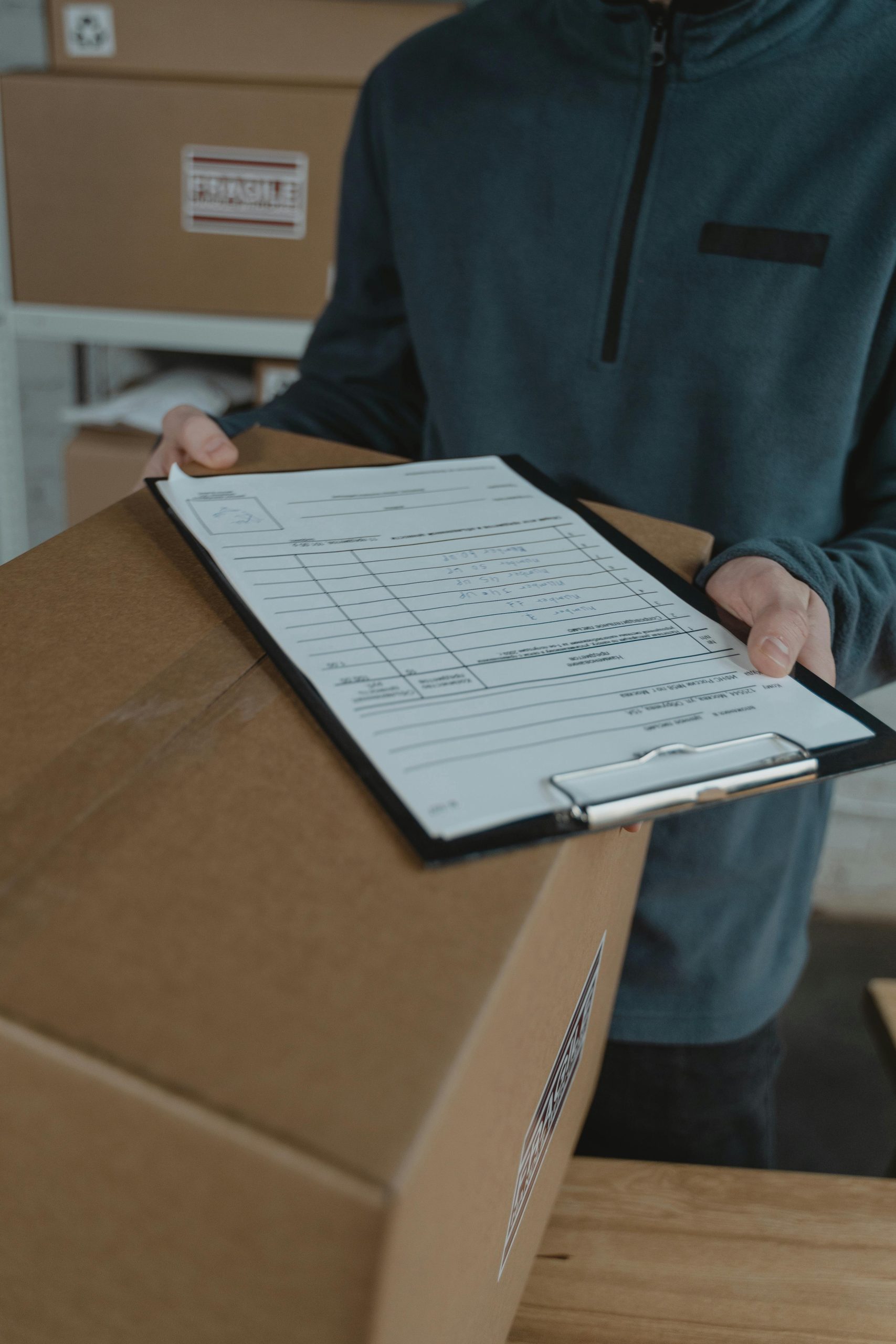
Resolving Business-to-Business Purchase Disputes: Addressing Non-Delivery of Goods and Recovery Strategies
In the realm of B2B transactions, securing reliable suppliers and ensuring timely delivery of goods are fundamental to maintaining smooth operations. However, despite due diligence, disputes can sometimes arise—such as when a supplier fails to deliver ordered goods, leaving the purchasing company potentially out of pocket and without recourse.
Scenario Overview
Consider a scenario where a limited company makes a modest online purchase of parts valued at less than £500. Despite the payment, the goods have not been received, and subsequent attempts to contact the supplier have gone unanswered. While the issue may seem straightforward, it raises important questions about the best course of action and the mechanisms available for recovering funds.
Understanding the Legal Framework
Firstly, it’s essential to recognize that certain consumer protection laws, such as the Consumer Rights Act (CRA), predominantly apply to individual consumers rather than business entities. In B2B transactions, contractual obligations are typically governed by the terms agreed upon by the parties and relevant commercial law.
Steps to Recover Payments in B2B Disputes
-
Review the Purchase Agreement and Terms
Start by examining any contractual documentation, purchase orders, or terms and conditions provided at the time of sale. These documents may outline dispute resolution procedures, delivery obligations, and remedies in case of non-compliance. -
Contact the Supplier Formally
Send a written demand for the goods or a refund, clearly stating the details of the transaction and requesting a response within a specified timeframe. Maintaining a record of all correspondence is critical. -
Leverage Alternative Dispute Resolution (ADR)
If direct communication fails, consider engaging in ADR methods such as mediation or arbitration. These can be faster and more cost-effective than court proceedings. -
Utilize Business-Friendly Legal Remedies
When amicable resolution proves unsuccessful, legal action may be necessary. For claims involving sums under £5,000, the County Court bulked in the Small Claims Track, provides a straightforward and accessible process for recovering debts. -
Consider Court Action as a Last Resort
Filing a claim in court can be undertaken if other avenues are exhausted. It is advisable to seek legal advice to assess the likelihood of success and to ensure proper procedures are followed.
Additional Considerations
- Verification of Merchant Details: Confirm the legitimacy of the supplier to avoid counterfeit or fraudulent transactions.
- Payment Method: Use secure payment options that offer buyer protection, such as credit cards or reputable online payment platforms, which may facilitate dispute resolution or chargeback claims.
- Legal Advice: Consult with a solicitor or a legal professional experienced in commercial law to navigate the specific circumstances effectively.
Conclusion
While non-delivery of goods in a B2B context can be frustrating, there are structured ways to seek recovery beyond the courts. Initiating communication, understanding contractual rights, and utilizing formal dispute resolution methods are vital initial steps. When these approaches fail, pursuing legal action through the courts is a viable, though often last-resort, option. Ensuring due diligence, proper documentation, and understanding your legal rights can significantly assist your business in safeguarding its interests in transactional disputes.
For further guidance tailored to your specific situation, consider consulting legal professionals specialized in commercial and debt recovery law.











One Comment
This is an excellent overview of the key steps and considerations involved in resolving B2B disputes related to non-delivery of goods. One aspect worth emphasizing is the proactive use of contractual clauses and robust supplier vetting processes from the outset. Including clear dispute resolution clauses—such as mandatory mediation or arbitration—can save considerable time and costs if issues arise later. Additionally, maintaining meticulous records of all communications and transactions not only supports potential legal claims but also helps in building a strong case for recovery or dispute resolution.
Furthermore, exploring the use of trade credit insurance or incorporating escrow arrangements for future transactions can provide an extra layer of security. Combining these preventative measures with the outlined recovery strategies can significantly strengthen a business’s position and reduce exposure to similar disputes. Thanks for sharing such a comprehensive guide—it’s a valuable resource for anyone navigating the complexities of B2B transactions.