
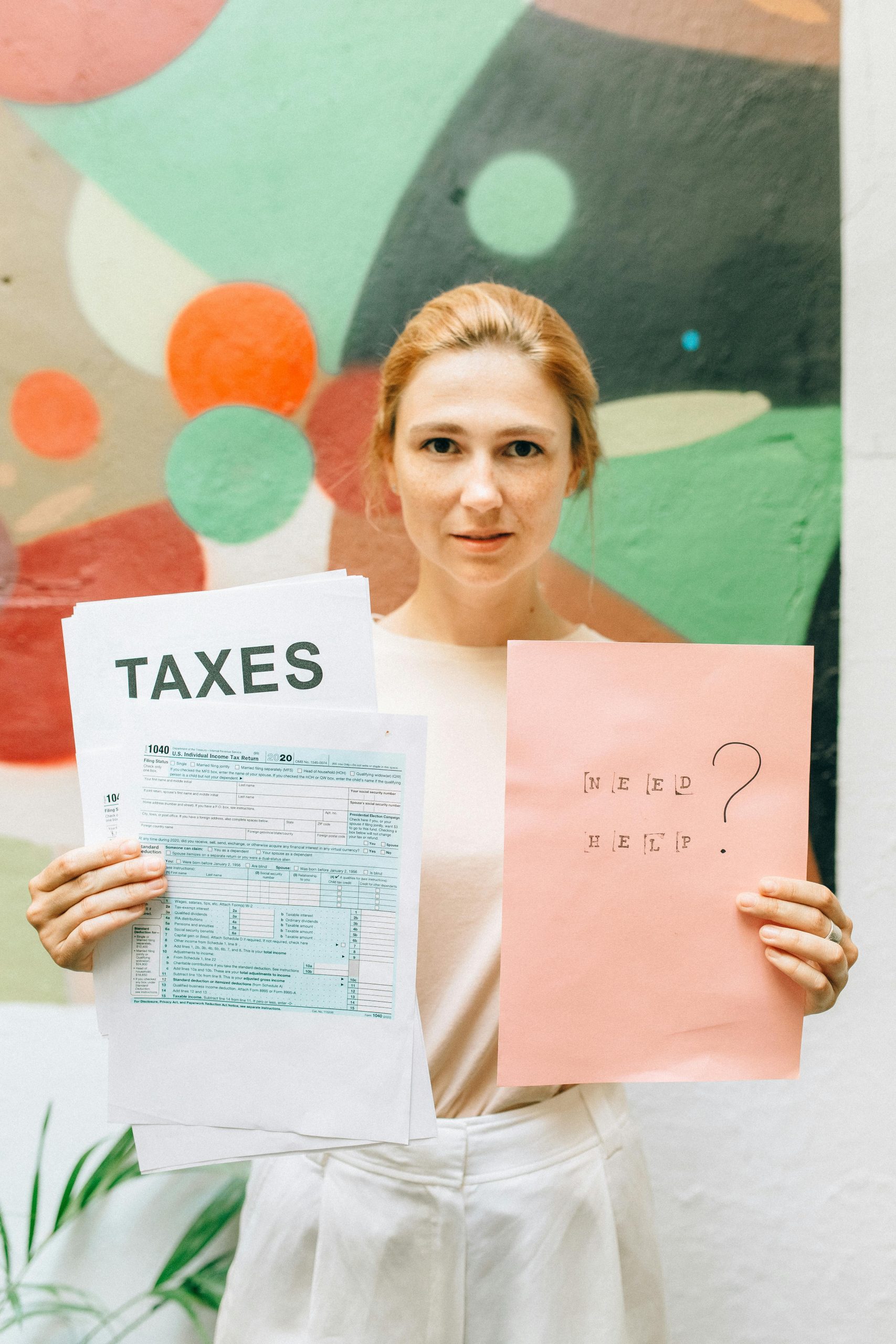
Understanding Financial Filing Requirements for Small Businesses in the UK: A Guide
As a small business owner operating within the UK, staying compliant with financial reporting obligations can sometimes feel overwhelming, especially when you’re just starting out or managing your business as a hobby. If your accounting deadline is approaching and you’re uncertain about what needs to be submitted, this guide aims to clarify the process and help you prepare with confidence.
Who Qualifies as a Small Business Under UK Regulations?
In the UK, the criteria for small businesses are defined primarily by their turnover, balance sheet total, and number of employees. Typically, a business is considered small if it meets at least two of the following:
- Turnover of £10.2 million or less
- Balance sheet total of £5.1 million or less
- 50 employees or fewer
However, even if your business falls below these thresholds—as in the case of many hobby or side businesses—you are still obligated to keep accurate financial records and submit certain documents, especially if you are registered for VAT or if HM Revenue & Customs (HMRC) has issued specific requirements.
Your Business Profile
Based on your description:
- Small-scale, hobby-level beauty business
- No employees or salary payments
- Works from home
- Uses a dedicated business bank account (e.g., Monzo)
- Income is reinvested into supplies
This profile suggests your business is relatively straightforward, yet you still need to ensure compliance with your tax duties.
What Do You Need to Submit?
In the UK, the most common requirements include:
-
Self-Assessment Tax Return
If you’re self-employed (including running a business as a sole trader), you’ll need to submit a Self-Assessment tax return annually. This report details your income and expenses and calculates any tax owed. -
Financial Records
Maintain comprehensive records of all income, expenses, invoices, and receipts related to your business. Given that you work from home and purchase supplies, documenting these transactions is essential. -
Confirmation of Business Income and Expenses
Your account statement from Monzo should reflect all income deposited into your business account. Record all expenditures on supplies and other legitimate business costs. -
Filing Deadlines
- Paper tax returns: October 31st following the end of the tax year
- Online tax returns: January 31st following the end of the tax year
Since your accounts are due on the 13th, ensure you complete your submissions well in advance to avoid penalties.
Special Cases: VAT and Other Considerations
- If your business’s turnover exceeds the VAT registration threshold (£85,000 as of 2023), you must register for VAT and submit VAT returns.
- If you haven’t registered for VAT, you generally don’t need to file VAT returns.
Next Steps
- Register for Self-Assessment if you haven’t already.
- Gather all income and expense records.
- Use HMRC’s online platform to submit your tax return.
- Consider consulting an accountant, especially if your financial situation is straightforward but still feels complex.
Conclusion
Even small or hobby businesses have filing obligations in the UK, primarily through the Self-Assessment process. Staying organized throughout the year and understanding your responsibilities can simplify the upcoming submission. If you’re ever unsure, professional advice from a qualified accountant can provide peace of mind and ensure compliance with HMRC regulations.
Remember: Staying proactive about your financial obligations not only keeps you compliant but also provides valuable insights into your business’s financial health, paving the way for future growth.
For tailored advice or support with your specific situation, consider reaching out to a financial professional or tax adviser.











One Comment
Thank you for sharing such a comprehensive and insightful guide! As a small business owner myself, I appreciate how clearly you’ve outlined the key steps for ensuring compliance, especially for hobby or side businesses that might not think they have significant filing obligations.
One point worth emphasizing is the importance of maintaining ongoing good record-keeping habits—not just for the tax year-end, but throughout the year. Utilizing digital tools like accounting apps or even spreadsheet templates can make tracking income and expenses more straightforward and less stressful during tax season. Additionally, keeping digital copies of receipts and invoices ensures you’re prepared in case of any HMRC queries.
For businesses at this stage, I also recommend regularly reviewing whether certain expenses can be classified as allowable business costs, which can ultimately reduce your taxable profit. While somewhat simple now, establishing these habits early can save time and money as your business grows.
Lastly, engaging with a tax professional periodically—even if just for a quick review—can provide valuable insights and potentially identify savings or compliance opportunities you might overlook. Thanks again for breaking down what can seem like a daunting process into manageable steps!