
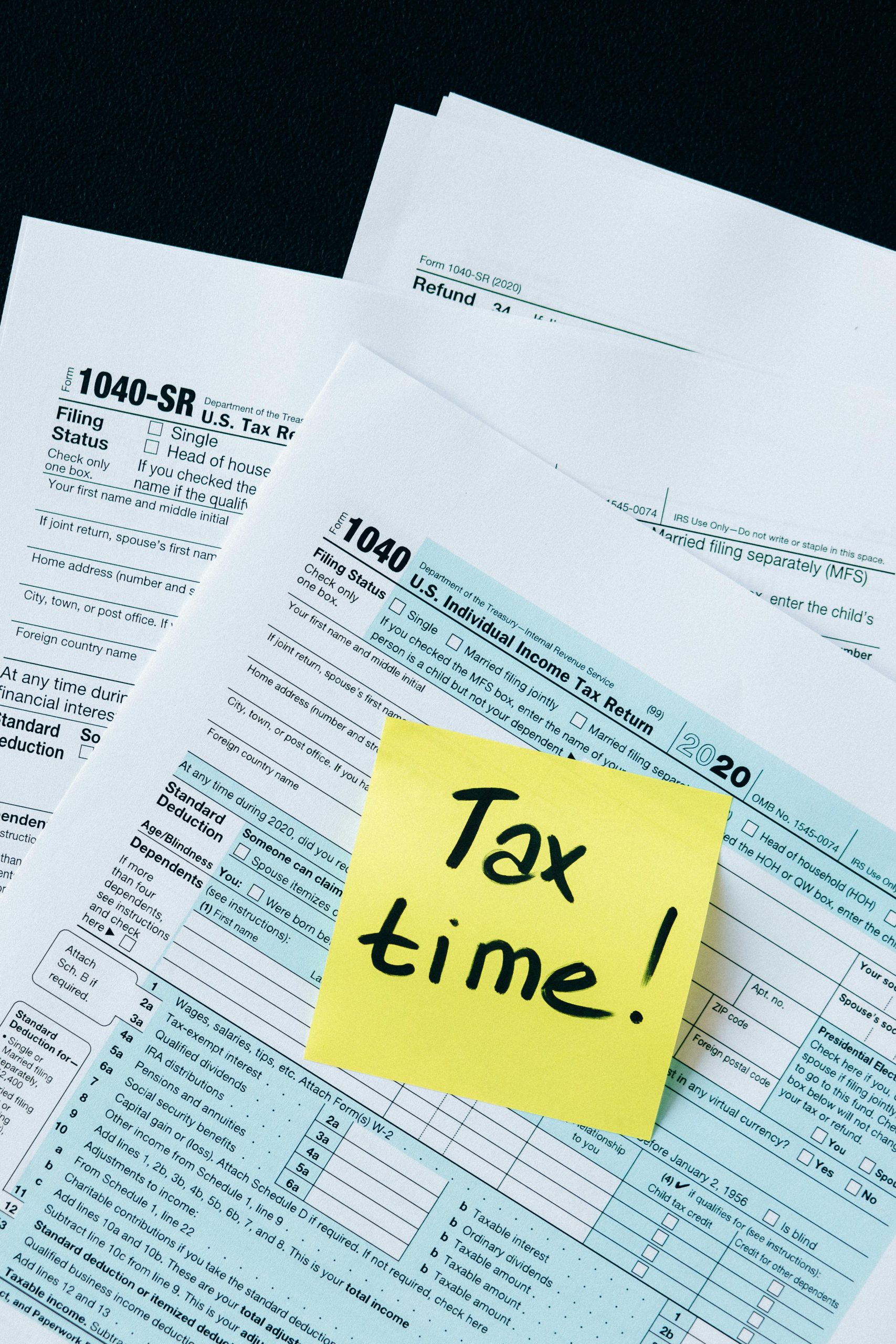
Optimising Cash Flow for Self-Assessment Tax Payments: Strategies for Limited Company Directors
Managing tax obligations as a limited company director requires careful planning and understanding of the available options to ensure compliance while minimizing costs. If you’re facing an upcoming Self-Assessment tax bill and find yourself unprepared due to unforeseen expenses or planning oversights, exploring effective strategies can help you navigate this financial responsibility efficiently.
Understanding Your Tax Liability
In this scenario, the tax liability due in January amounts to £11,193. While your limited company has sufficient funds to cover this amount, the challenge lies in how to draw the necessary funds in a tax-efficient manner. Your current approach involves withdrawing the full dividend amount early in the tax year and depositing it into personal savings and ISAs to earn interest before gradually reusing it for personal expenses. Although this strategy offers some flexibility, it also presents potential tax implications, especially considering dividend tax rates and marginal income tax brackets.
Dividend Vs. Directors’ Loan: Weighing Your Options
Dividend Approach:
Taking approximately £11,000 as a dividend to cover your tax bill might seem straightforward. However, since you’ve already taken substantial dividends (£48,000 this year), you could be in a higher tax bracket, leading to increased tax liabilities—potentially around £4,000 more next year due to additional dividend tax charges.
Directors’ Loan Strategy:
An alternative is to consider a directors’ loan from your company. This involves drawing the amount as a loan, which you would then repay later, ideally before the end of your company’s financial year (which runs until July). While seemingly flexible, this approach comes with caveats:
- If the loan exceeds £10,000, HMRC may scrutinize it for benefit-in-kind implications, and there might be interest charges.
- You could incur interest or benefit from tax implications tied to the loan, depending on how it’s structured.
- Proper documentation and timely repayment are essential to avoid adverse tax consequences.
HMRC Payment Plan:
Another viable option is establishing a payment plan with HMRC. You could take a smaller directors’ loan—say around £5,000—to make an initial payment, then cover subsequent installments in February and March. According to HMRC’s terms, interest on the repayment plan might amount to approximately £175. This approach spreads the tax payment over time, reducing immediate cash flow pressure, but it’s important to consider any potential restrictions or implications of setting up such a plan.
Additional Considerations and Recommendations
- Consult a Tax Professional: Given the complexity of tax regulations concerning dividends, loans, and benefit-in-kind rules, engaging with an accountant or tax advisor can provide tailored advice suited to your specific circumstances. They can help you assess the most cost-effective and compliant approach.
- Evaluate Cash Flow and Future Income: Consider your current and projected income to determine whether spreading payments or adjusting dividend strategies aligns best with your financial goals.
- Document All Transactions: Whatever approach you choose—whether a loan or dividend—ensure proper documentation to comply with HMRC requirements and to safeguard your tax position.
In summary, there are several strategies available for managing your Self-Assessment tax bill from your limited company. Each comes with its own benefits and potential pitfalls, so careful planning and professional guidance are recommended to optimize your tax position and maintain compliance. Taking proactive steps now can help you avoid unnecessary costs and ensure a smooth tax-paying process.











One Comment
Excellent overview of the options available for limited company directors facing Self-Assessment tax liabilities. One key point worth emphasizing is the importance of timing and documentation when utilizing directors’ loans. Properly structuring and recording such loans—ensuring they are repaid within the correct timeframe and with appropriate interest—is crucial to avoid unintended tax benefits-in-kind charges or HMRC scrutiny.
Additionally, while spreading tax payments via HMRC’s payment plans can ease cash flow pressure, it’s vital to factor in any interest costs and potential impact on future finances. Engaging a qualified tax professional not only helps tailor these strategies to your specific circumstances but also ensures compliance with changing regulations.
Proactive planning, combined with thorough record-keeping and professional advice, can make a significant difference in managing tax obligations efficiently and avoiding costly pitfalls. Thanks for highlighting these essential considerations!