
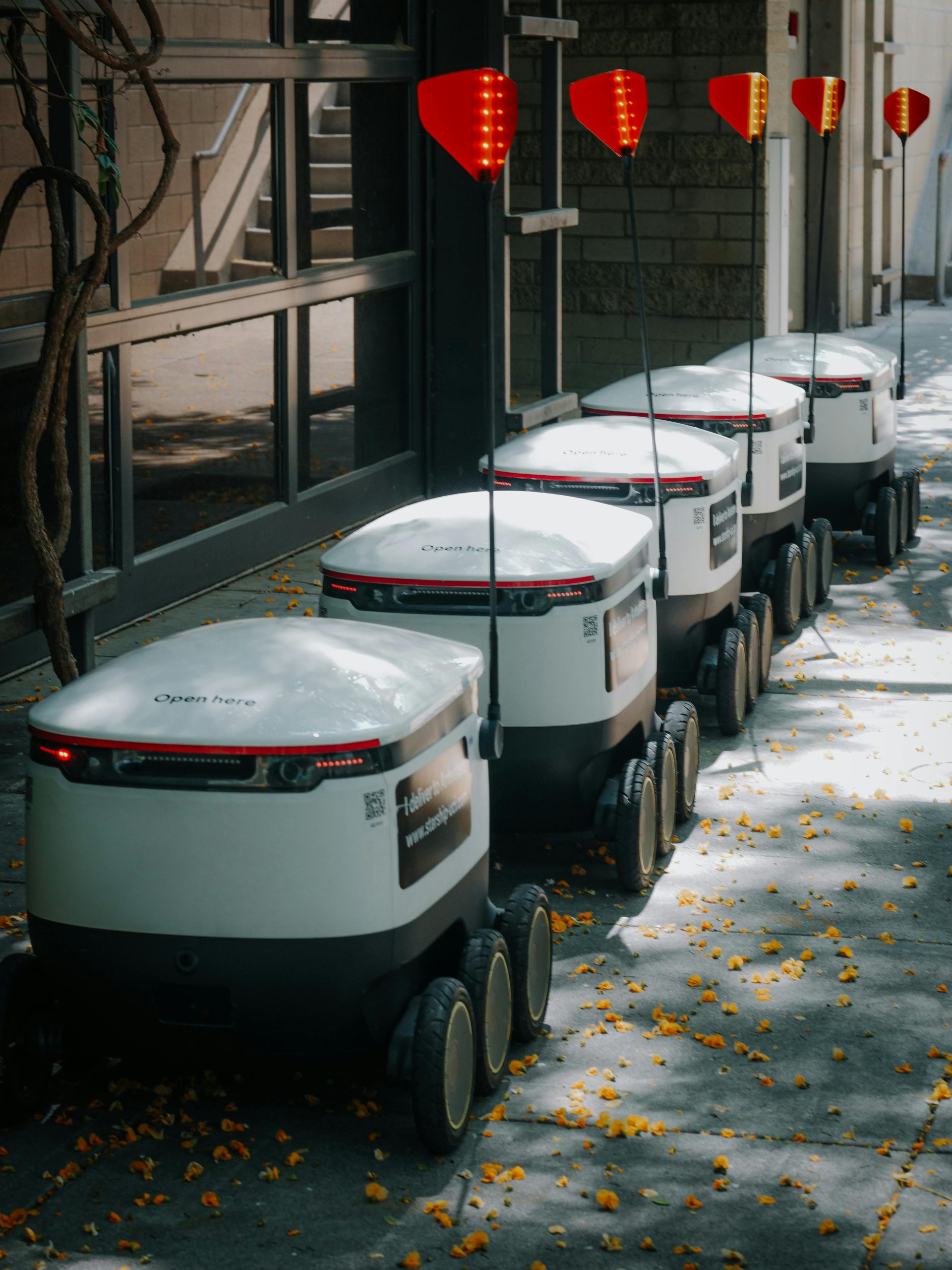
Rethinking AI Automation: Embracing Leverage Over Complete Automation
In the rapidly evolving landscape of artificial intelligence, there’s an abundant enthusiasm for deploying AI to automate every conceivable task. However, experienced professionals in AI automation services, such as myself, have learned a crucial lesson: automation isnΓÇÖt the ultimate goalΓÇöitΓÇÖs about strategic leverage.
The Myths of Full Automation
When the concept of “AI automation” first gained momentum, many envisioned a future where intelligent agents would replace human roles entirely. During the surge of excitement in 2022, big promises were made: fully autonomous systems capable of managing entire workflows from start to finish. These visions inspired rapid development and hype, yet reality proved more complex. In practice, these monolithic systems often underperformed, encountered bottlenecks, and sometimes introduced new challenges instead of resolving existing ones.
Why Full Automation Falls Short
Real-world applications revealed a key insight: striving for complete automation can lead to fragile systems that are difficult to maintain and adapt. They tend to break down under unexpected circumstances, and their limitations highlight the importance of human judgment and flexibility.
Shifting the Perspective: From Automation to Leverage
Instead of aiming for total automation, the smarter approach focuses on leveraging AI to augment human capabilities. This strategic perspective revolves around understanding where AI adds the most value ΓÇö not just replacing work but amplifying it.
Introducing the Golden AI Ratio
A practical framework to implement this mindset is the Golden AI Ratio, which guides how to allocate tasks between AI and humans for optimal efficiency:
- Automate approximately 60% of the processΓÇötargeting the repetitive, monotonous tasks that consume time but require little judgment.
- Utilize AI to assist humans with the next 30%ΓÇösupporting tasks that involve decision-making, context recognition, or nuanced understanding.
- Leave the final 10% as manualΓÇöacknowledging that some work benefits from human intuition and expertise that AI cannot replicate effectively.
This approach ensures that AI acts as a force multiplier, boosting productivity without overreliance on unreliable fully automated systems.
The Road to Smarter Business
Applying the Golden AI Ratio enables organizations to become faster, more adaptable, and ultimately more profitable. It encourages strategic thinking about where automation should be applied rather than naive attempts at total replacement.
Conclusion
The key takeaway is clear: donΓÇÖt get caught up in the allure of automating everything. Instead, ask











One Comment
This post hits the crucial point that successful AI integration hinges on strategy rather than simply chasing full automation. Emphasizing leverage over replacement aligns with best practices in business and AI deployment, ensuring systems remain resilient, adaptable, and human-centric. The concept of the Golden AI Ratio provides a pragmatic framework—by thoughtfully balancing automation with human judgment, organizations can optimize productivity while maintaining flexibility. It’s a reminder that AI’s true potential lies in augmenting human expertise, not substituting it entirely. Striking this balance is key to building smarter, more resilient workflows in today’s rapidly changing landscape.